Bessie Smith
Actor
Born: April 15, 1894 in Chattanooga, Tennessee, USA Died: September 26, 1937 Active: 1912-1937
Films
1 film
About Bessie Smith
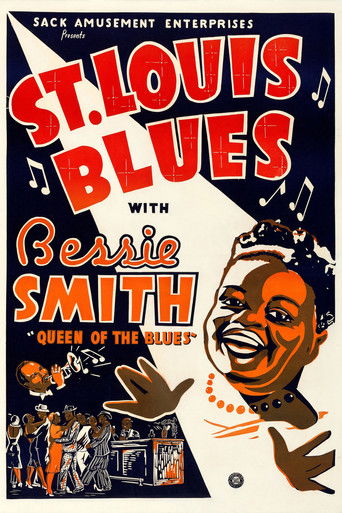
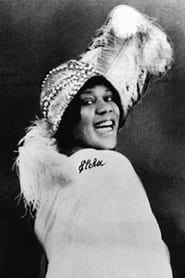
Bessie Smith, known as 'The Empress of the Blues,' was born into poverty in Chattanooga, Tennessee, and rose to become and successful blues singers of the 1920s and 1930s. Discovered by blues pioneer Ma Rainey while performing on street corners, Smith joined the Rabbit Foot Minstrels and honed her craft traveling through the American South. Her recording career began in 1923 with 'Downhearted Blues,' which sold an unprecedented 780,000 copies, launching her to stardom and making her the highest-paid Black entertainer of her era. Throughout the 1920s, she recorded over 160 songs for Columbia Records, including classics like 'St. Louis Blues,' 'Empty Bed Blues,' and 'A Good Man Is Hard to Find.' Her powerful, emotive voice and raw, authentic delivery captured the struggles and triumphs of African American life. In 1929, she made her only film appearance in the short musical 'St. Louis Blues,' one of the earliest sound films featuring an African American performer. Despite her massive success, she faced persistent racial discrimination and saw her career decline during the Great Depression. Her life was tragically cut short at age 43 in a car accident in Mississippi, though the circumstances of her death have become the subject of legend and myth.
The Craft
On Screen
Bessie Smith's acting style in 'St. Louis Blues' was essentially an extension of her performance persona as a blues singer - naturalistic, emotionally raw, and deeply authentic. Rather than adopting theatrical techniques common in early cinema, she brought the same visceral power and emotional honesty that characterized her musical performances to the screen. Her presence was commanding yet vulnerable, embodying the pain and resilience expressed in her songs. The film served primarily as a vehicle for her singing talent, with her acting moments serving as narrative bridges between musical performances.
Milestones
- Discovered by Ma Rainey and joined Rabbit Foot Minstrels (1912)
- First recording 'Downhearted Blues' sold 780,000 copies (1923)
- Became highest-paid Black entertainer of the 1920s
- Recorded over 160 songs for Columbia Records
- Starred in 'St. Louis Blues' (1929), her only film appearance
- Inducted into Blues Hall of Fame (1980)
- Inducted into Rock and Roll Hall of Fame (1989)
- U.S. Postage stamp issued in her honor (1994)
Best Known For
Iconic Roles
Must-See Films
Accolades
Won
- Inducted into Blues Hall of Fame (1980)
- Inducted into Rock and Roll Hall of Fame (1989)
- Inducted into Grammy Hall of Fame for multiple recordings
- National Recording Registry induction for 'Downhearted Blues' (2006)
Special Recognition
- U.S. Postage stamp issued (1994)
- American Music Masters honoree at Rock Hall (2003)
- Memorial plaque at Clarksdale, Mississippi
- Chattanooga's Bessie Smith Cultural Center named in her honor
- Multiple streets and buildings named after her nationwide
Working Relationships
Worked Often With
Studios
Why They Matter
Impact on Culture
Bessie Smith's cultural impact extends far beyond her musical recordings, representing a pivotal figure in African American cultural history and the development of American popular music. As one of the first African American artists to achieve mainstream commercial success, she broke racial barriers in the entertainment industry and paved the way for future generations of Black performers. Her songs gave voice to the experiences of African Americans, particularly Black women, addressing themes of poverty, oppression, love, and resilience with unprecedented honesty and emotional depth. The 1929 film 'St. Louis Blues' represented a significant milestone in cinema history as one of the first sound films to feature an African American performer in a leading role, challenging Hollywood's racial conventions. Smith's influence on the civil rights movement was profound, as her artistry demonstrated the power of Black cultural expression and demanded recognition of African American humanity and talent. Her legacy continues to resonate through contemporary music, with her vocal techniques and emotional authenticity influencing countless artists across multiple genres.
Lasting Legacy
Bessie Smith's legacy as 'The Empress of the Blues' endures as. Her work in establishing blues as a legitimate art form helped lay the foundation for jazz, rhythm and blues, rock and roll, and virtually all forms of popular American music that followed. The emotional power and technical innovation of her recordings set standards that continue to influence singers today, while her fearless exploration of themes like sexuality, domestic violence, and economic hardship in her lyrics pushed boundaries of acceptable content in popular music. Her only film appearance, while brief, represents an important milestone in the representation of African Americans in cinema. Smith's life story has inspired numerous books, plays, and films, including the acclaimed 1972 biopic 'Lady Sings the Blues' (though loosely based on her life) and the 2015 HBO film 'Bessie.' Her induction into multiple halls of fame and the continued scholarly attention to her work attest to her enduring significance in American cultural history.
Who They Inspired
Bessie Smith's influence on subsequent generations of musicians is immeasurable, with her vocal style, emotional delivery, and artistic approach shaping the development of American popular music. Her direct influence can be traced through artists like Billie Holiday, who cited Smith as her primary influence and adopted many of her vocal techniques, and Mahalia Jackson, who adapted Smith's emotional intensity to gospel music. Jazz singers including Ella Fitzgerald and Sarah Vaughan drew on Smith's phrasing and timing, while rock and roll pioneers like Janis Joplin explicitly modeled their vocal style on Smith's raw, powerful delivery. Her approach to songwriting and lyrical content influenced folk and protest singers, including Bob Dylan, who acknowledged her impact on his work. Beyond music, her fearless authenticity and artistic integrity influenced generations of African American artists across all disciplines, from writers like James Baldwin to visual artists like Romare Bearden. Her success as an independent Black woman in the entertainment industry also inspired later artists to demand creative control and fair compensation.
Off Screen
Bessie Smith's personal life was as turbulent and passionate as her music. She married Jack Gee in 1923, a security guard who later became her manager, but their relationship was marked by infidelity on both sides and physical abuse. The couple adopted a son, Jack Gee Jr., though their marriage ended in divorce in 1929. Smith was openly bisexual and had relationships with women, including her chorus girl Lillian Bailey. Despite earning enormous sums during her peak, she struggled with alcoholism and was known for her generous spending and extravagant lifestyle. She faced numerous personal tragedies, including the death of her mother and sister, and maintained a complicated relationship with her family throughout her life.
Education
Minimal formal education; learned through experience in traveling shows and performances
Family
- Jack Gee (1923-1929)
Did You Know?
- Her nickname 'The Empress of the Blues' was given to her by the press and fans
- She earned up to $2,000 per week during her peak, equivalent to over $30,000 today
- The 1929 film 'St. Louis Blues' was only 15 minutes long but cost $25,000 to produce
- She once knocked out a man who tried to assault her, an incident that became part of her legend
- Her funeral in Philadelphia attracted over 7,000 mourners but her husband didn't attend
- A famous myth claims she died after being refused treatment at a whites-only hospital
- Janis Joplin helped pay for a proper headstone for Smith's unmarked grave in 1970
- She recorded with jazz legends including Louis Armstrong, Coleman Hawkins, and Benny Goodman
- Her voice was so powerful that early recording equipment had difficulty capturing its full range
- She was known for her extravagant lifestyle, including a custom-designed railroad car for touring
In Their Own Words
I don't sing a note unless I feel it. I've got to have a story behind it.
The blues ain't nothing but a good man feelin' bad.
I was born with the blues. I had 'em when I woke up this morning.
When I sing, I sing with my whole being. I can't help it.
Ain't nobody in the world can sing the blues like me, 'cause I've lived the blues.
Frequently Asked Questions
Who was Bessie Smith?
American blues singer and recording artist known as 'The Empress of the Blues,' who became the most popular and influential blues vocalist of the 1920s and 1930s. She was one of the first African American artists to achieve mainstream success and made one film appearance in 'St. Louis Blues' (1929).
What films is Bessie Smith best known for?
Titles linked here include St. Louis Blues (1929).
When was Bessie Smith born and when did she die?
Born April 15, 1894; died September 26, 1937.
What awards did Bessie Smith win?
While Bessie Smith didn't receive awards during her lifetime, she has been posthumously honored with inductions into the Blues Hall of Fame (1980), Rock and Roll Hall of Fame (1989), and Grammy Hall of Fame for multiple recordings. A U.S. Postage stamp was also issued in her honor in 1994.
What was Bessie Smith's singing style?
Bessie Smith's singing style was characterized by its immense power, emotional intensity, and technical precision. She had a commanding contralto voice that could convey deep pain and joy, with a distinctive phrasing and timing that influenced generations of singers. Her delivery was raw and authentic, reflecting the real experiences of African American life.
How did Bessie Smith influence later musicians?
Bessie Smith profoundly influenced countless artists including Billie Holiday, Mahalia Jackson, Janis Joplin, and Bob Dylan. Her vocal techniques, emotional approach, and lyrical honesty set standards that shaped jazz, blues, gospel, and rock music. Her success also paved the way for future African American artists in the entertainment industry.
Why is 'St. Louis Blues' (1929) historically significant?
The 1929 film 'St. Louis Blues' is historically significant as one of the earliest sound films featuring an African American performer in a leading role. It represents a milestone in cinema history for breaking racial barriers and showcasing Black talent during a time of severe racial segregation in Hollywood.