Hall Johnson
Actor
Born: March 12, 1888 in Athens, Georgia, USA Died: April 30, 1970 Active: 1925-1970 Birth Name: Francis Hall Johnson
Films
1 film
About Hall Johnson
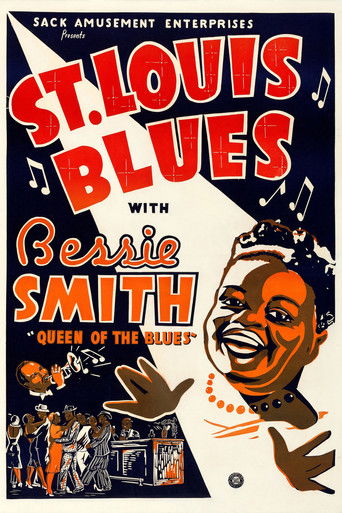
Made a significant contribution to American musical culture through his work with spirituals and choral music. Born in Athens, Georgia, he studied at the Juilliard School and initially worked as a violinist before turning his attention to preserving and arranging African American spirituals. In 1925, he founded the Hall Johnson Choir, which became renowned for their authentic and sophisticated interpretations of spirituals. The choir gained international acclaim and performed in numerous concerts, Broadway productions, and films. Johnson's most notable film appearance was in the 1929 short film 'St. Louis Blues,' where he appeared alongside blues singer Bessie Smith. His arrangements elevated spirituals from folk songs to sophisticated concert pieces, influencing generations of musicians and composers. Throughout his career, he remained dedicated to preserving the dignity and artistic merit of African American musical traditions.
The Craft
On Screen
Naturalistic and authentic, Johnson brought genuine musical authenticity to his screen performances, embodying the cultural traditions he sought to preserve
Milestones
- Founded the Hall Johnson Choir in 1925
- Appeared in 'St. Louis Blues' (1929)
- Conducted choir for Broadway's 'The Green Pastures' (1930)
- Arranged and conducted for film 'Hallelujah' (1929)
- Received Guggenheim Fellowship for musical composition (1933)
- Published collection 'Negro Spirituals' (1937)
Best Known For
Iconic Roles
Must-See Films
Accolades
Won
- Guggenheim Fellowship for Musical Composition (1933)
- Harmon Award (1930)
Nominated
- NAACP Spingarn Medal nomination
Special Recognition
- Inducted into the Songwriters Hall of Fame (1975, posthumous)
- Georgia Music Hall of Fame inductee
- Honorary doctorate from Howard University
Working Relationships
Worked Often With
Studios
Why They Matter
Impact on Culture
Hall Johnson played a crucial role in transforming African American spirituals from folk songs into respected concert pieces, thereby elevating their cultural status and preserving them for future generations. His work with the Hall Johnson Choir brought these spirituals to international audiences, including prestigious venues like Carnegie Hall and the White House. Johnson's arrangements maintained the emotional authenticity of the originals while adding sophisticated harmonies and orchestration that appealed to classical music audiences. His influence extended beyond music to the broader civil rights movement, as his work demonstrated the artistic merit and cultural significance of African American traditions. Johnson's film work, particularly in early sound films, helped bring authentic African American musical performances to mainstream cinema at a time when representation was often stereotypical or inauthentic.
Lasting Legacy
Hall Johnson's legacy endures through his hundreds of arrangements of spirituals that continue to be performed by choirs worldwide. His work laid the groundwork for future African American composers and conductors in classical music. The Hall Johnson Choir set a standard for choral excellence and authentic performance practice that influenced generations of musicians. His compositions and arrangements are now considered part of the standard American choral repertoire, and his advocacy for the artistic value of spirituals helped establish them as legitimate concert music. Johnson's work bridged cultural divides and helped create greater appreciation for African American musical contributions to world culture.
Who They Inspired
Johnson influenced countless musicians, from classical composers to popular artists, by demonstrating how traditional African American music could be both authentic and sophisticated. His arrangements inspired later artists like Harry Belafonte, Marian Anderson, and Paul Robeson. His approach to arranging spirituals influenced the development of gospel music and inspired later arrangers like Moses Hogan. Johnson's work also influenced Hollywood's approach to incorporating African American music in films, pushing for more authentic representation.
Off Screen
Hall Johnson dedicated his life to the preservation and elevation of African American musical traditions. He never married and remained focused on his musical work throughout his life. He was deeply committed to education and cultural preservation, teaching and mentoring numerous young musicians. Johnson lived in New York City for much of his career, where he became a central figure in the Harlem Renaissance cultural movement.
Education
Juilliard School (violin and composition), Atlanta University, Morehouse College (attended)
Did You Know?
- — classically trained violinist before turning to choral arranging
- His choir performed for Franklin D. Roosevelt at the White House
- Arranged over 200 spirituals during his career
- Was a key figure in the Harlem Renaissance
- His arrangement of 'Ain't Got Time to Die' became his most famous work
- Refused to 'whiten' his arrangements to make them more palatable to white audiences
- Worked as a music critic for the Chicago Defender newspaper
- Taught music at several institutions including the Hampton Institute
- His choir was the first African American choir to perform at Carnegie Hall
- Was a close friend and collaborator of poet Langston Hughes
In Their Own Words
The spiritual is the music of a people who have found their way through the darkness of oppression into the light of freedom.
We must preserve these songs not as museum pieces, but as living, breathing music that speaks to the human condition.
The spiritual is not just a song of sorrow, but a song of hope and triumph over adversity.
Frequently Asked Questions
Who was Hall Johnson?
African American composer, conductor, and arranger who specialized in spirituals and founded the renowned Hall Johnson Choir. He made significant contributions to preserving and elevating African American musical traditions in the early 20th century.
What films is Hall Johnson best known for?
Titles linked here include St. Louis Blues (1929), Hallelujah (1929).
When was Hall Johnson born and when did he die?
Born March 12, 1888; died April 30, 1970.
What awards did Hall Johnson win?
Hall Johnson received a Guggenheim Fellowship for Musical Composition in 1933 and the Harmon Award in 1930. He was also posthumously inducted into the Songwriters Hall of Fame in 1975 and received honorary doctorates from several institutions.
What was Hall Johnson's musical style?
Johnson's style combined authentic African American spiritual traditions with sophisticated classical arrangements, maintaining the emotional integrity of the originals while elevating them to concert-level art music. His arrangements were known for their rich harmonies and respectful treatment of the source material.