Isabel Washington
Actor
Born: May 23, 1907 in Savannah, Georgia, United States Died: May 1, 1990 Active: 1929-1930s
Films
2 films
About Isabel Washington
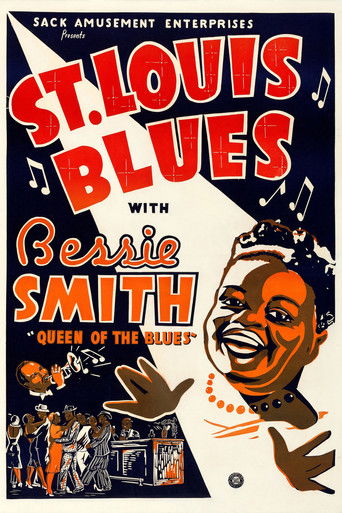
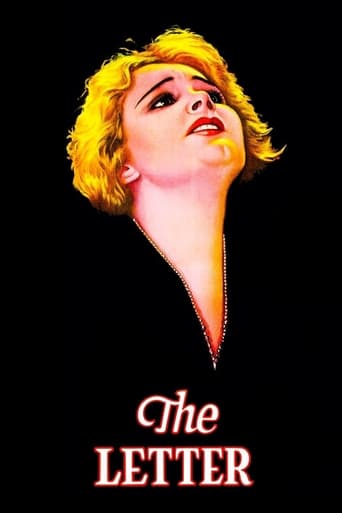
African American actress and dancer who emerged during the pivotal transition from silent films to talkies in the late 1920s. Born in Savannah, Georgia, she moved to Harlem during the cultural flourishing of the Harlem Renaissance, where she first gained recognition as a talented dancer performing at prestigious venues like the Cotton Club. Her brief but notable film career in 1929 included appearances in two significant early sound films, 'St. Louis Blues' and 'The Letter,' which showcased the rare opportunities available to Black actresses during this era. After her film career, Washington continued performing in theater and nightclubs, maintaining her presence in the entertainment world. She later became widely known as the first wife of Adam Clayton Powell Jr., the influential civil rights leader and politician who would become one of the first African Americans elected to Congress from New York. Throughout her life, Washington remained connected to both entertainment and political circles, serving as a bridge between Harlem's cultural renaissance and the broader civil rights movement. Her career, though brief in film, represented an important moment in the representation of African Americans in early cinema.
The Craft
On Screen
Naturalistic and expressive, adapting well to the new requirements of sound film performance during the transition from silent cinema
Milestones
- Appeared in early sound films during the transition from silent cinema
- Performed as a dancer at the Cotton Club during the Harlem Renaissance
- Married civil rights leader Adam Clayton Powell Jr.
- Represented African American women in early Hollywood talkies
Best Known For
Iconic Roles
Must-See Films
Accolades
Special Recognition
- Recognized as a African American actress in early sound cinema
Working Relationships
Worked Often With
Studios
Why They Matter
Impact on Culture
Isabel Washington's contributions to early cinema came during a crucial period of transition from silent films to talkies, and her presence on screen represented an important milestone for African American representation in Hollywood. Her work in 'St. Louis Blues,' one of the first all-Black cast films produced by a major studio, helped pave the way for greater opportunities for African American performers in mainstream cinema. During an era when Black actors were often relegated to stereotypical roles, Washington's appearances, though brief, contributed to the gradual breaking down of racial barriers in the film industry. Her connection to the Harlem Renaissance cultural movement also helped bridge the gap between the artistic flourishing of African American culture and its representation in mainstream media.
Lasting Legacy
Isabel Washington's legacy lies in her role as one of the African American actresses who appeared in early sound films during Hollywood's transition to talkies. Though her film career was brief, her work in 'St. Louis Blues' and 'The Letter' documented the participation of Black performers in this transformative period of cinema history. Her marriage to Adam Clayton Powell Jr. Also positioned her as an important figure in the intersection of entertainment and civil rights during the mid-20th century. Washington's career shows the challenges and opportunities faced by African American performers during the early days of Hollywood sound cinema, and her story continues to be studied by film historians interested in the representation of minorities in classic cinema.
Who They Inspired
While Isabel Washington did not have an extensive filmography that would allow for direct influence on subsequent generations of actors, her participation in early sound films helped establish a precedent for African American representation in Hollywood. Her work during the Harlem Renaissance era contributed to the cultural movement that would later inspire countless African American performers. Through her connection to both the entertainment industry and political activism via her marriage to Adam Clayton Powell Jr., she helped demonstrate the potential for African Americans to succeed in multiple spheres of American public life during a period of significant racial segregation and discrimination.
Off Screen
Isabel Washington's personal life was marked by her significant marriage to Adam Clayton Powell Jr., which brought her into the center of Harlem's political and social elite. Their marriage in 1933 was a major social event in Harlem, though it ended in divorce in 1945. Throughout her life, she maintained connections to both the entertainment industry and political circles, serving as a hostess and social figure in Harlem society. After her divorce, she largely stepped away from the public eye but remained respected within the community for her contributions to both arts and civil rights.
Education
Limited information available, likely educated in the public schools of Savannah and New York during the early 20th century
Family
- Adam Clayton Powell Jr. (1933-1945)
Did You Know?
- Appeared in 'St. Louis Blues' (1929), one of the first all-Black cast films produced by a major studio
- Was a featured dancer at the Cotton Club during its heyday in the 1920s
- Her marriage to Adam Clayton Powell Jr. Was considered a major social event in Harlem in 1933
- Was part of the vibrant Harlem Renaissance cultural movement
- Her film career coincided exactly with the transition from silent to sound films
- Appeared in 'The Letter' (1929) starring Bette Davis, though in a minor role
- Continued performing in theater and nightclubs after her brief film career
- Lived through the entire civil rights movement and saw significant changes in African American representation in media
- Her sister, Fredi Washington, was also a notable actress and civil rights activist
- Was one of the few African American women to appear in mainstream Hollywood films during the early sound era
Frequently Asked Questions
Who was Isabel Washington?
Screen credits include early sound films during the late 1920s, most notably in 'St. Louis Blues' (1929) and 'The Letter' (1929). She was also known as a performer at the Cotton Club during the Harlem Renaissance and as the first wife of civil rights leader Adam Clayton Powell Jr.
What films is Isabel Washington best known for?
Titles linked here include St. Louis Blues (1929), The Letter (1929).
When was Isabel Washington born and when did she die?
Born May 23, 1907; died May 1, 1990.
What awards did Isabel Washington win?
There are no recorded major awards or nominations for Isabel Washington's film work. Her recognition comes primarily from her role as an African American actress in early sound cinema and her contributions to the Harlem Renaissance cultural movement.
What was Isabel Washington's acting style?
Isabel Washington's acting style was naturalistic and expressive, well-suited for the new requirements of sound film performance. As a dancer, she brought physical grace to her performances, adapting effectively from the silent era to the demands of talkies during this transitional period in cinema history.