Ebrahim Golestan
Actor
Born: October 26, 1922 in Shiraz, Iran Died: August 22, 2023 Active: 1940s-1960s, with later literary activity continuing afterward
Films
1 film
About Ebrahim Golestan
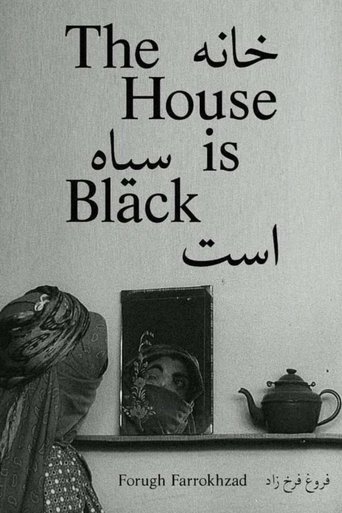
Ebrahim Golestan (also commonly transliterated as Ebrahim Golestan or Ibrahim Golestan) was an influential Iranian filmmaker, writer, producer, and intellectual whose name is most strongly associated with the modernist turn in Iranian cinema rather than with a broad acting career. Although the user’s identification lists him as an actor in The House Is Black (1962), his best-known contribution to that landmark documentary was as producer and collaborator, working with poet and director Forough Farrokhzad on a film that is now the masterpieces of world documentary cinema. Born in Shiraz, Iran, he became a major cultural figure through Golestan Films, an independent production company that helped define a new, more formally adventurous Iranian cinema in the 1950s and 1960s. His work as a filmmaker combined literary intelligence, social observation, and technical polish, and he was also known for his short stories, essays, and translations, which broadened his reputation far beyond the film industry. Golestan’s career was shaped by his interest in realism, modernity, and the tensions between tradition and change in Iranian society, themes that recur throughout his writing and filmmaking. He became especially important as a patron and creative partner to emerging artists, including Forough Farrokhzad, and his influence extended into the Iranian New Wave and later generations of Iranian filmmakers. He lived for many decades after his most active film years, remaining an important and sometimes controversial public intellectual until his death in the United Kingdom in 2023.
The Craft
On Screen
There is not enough evidence to describe Ebrahim Golestan as a conventional screen actor with a distinctive acting style. In the context of The House Is Black, his contribution is better understood as producer and creative collaborator than as a performer with a developed acting persona. Any on-screen or credited acting associated with his name appears incidental compared with his primary identity as a filmmaker, writer, and producer.
Milestones
- Founded and operated Golestan Films,
- Helped produce The House Is Black (1962), a landmark Iranian documentary directed by Forough Farrokhzad
- Directed a series of influential short documentaries and feature films that brought modernist aesthetics to Iranian cinema
- Established a reputation as a major literary voice through fiction, essays, and translations alongside filmmaking
- Played a formative role in the development of the Iranian New Wave by supporting innovative, art-forward filmmaking
- Became known as a sharp public intellectual and commentator on art, culture, and society
- Maintained a lasting reputation as one of the key cultural figures bridging Iranian literature and cinema in the 20th century
Best Known For
Iconic Roles
Must-See Films
Accolades
Won
- No reliably documented major international film awards for acting are known
Nominated
- No reliably documented award nominations are known
Special Recognition
- Widely honored in scholarly and critical histories of Iranian cinema as a foundational modernist figure
- Recognized retrospectively as an essential contributor to The House Is Black and to the Iranian New Wave
Working Relationships
Worked Often With
Studios
Why They Matter
Impact on Culture
Ebrahim Golestan was one of the crucial figures who helped move Iranian cinema away from routine commercial formulas and toward a more self-conscious, modern, and artistically ambitious mode of filmmaking. Through Golestan Films, he provided a platform for innovative work at a time when serious Iranian art cinema had few institutional supports, and his influence can be felt in the emergence of a film culture that treated cinema as both an aesthetic and intellectual medium. His collaboration on The House Is Black gave Iranian documentary cinema one of its most enduring achievements, helping to demonstrate that short film and documentary could be vehicles for poetry, social conscience, and formal experimentation. Beyond film, his essays, fiction, and cultural commentary made him a multi-disciplinary public intellectual whose ideas resonated in literary and artistic circles for decades. He is also remembered for helping shape the conditions under which later Iranian masters could imagine cinema as a serious art form, not merely entertainment.
Lasting Legacy
Golestan's legacy rests on his role as an architect of modern Iranian cultural expression, especially through the intersection of cinema and literature. He is remembered less as a performer than as a producer-director-writer whose standards of craft and seriousness helped elevate the ambitions of Iranian filmmakers. The continued critical admiration for The House Is Black and Brick and Mirror has kept his name central in discussions of international documentary, modernist cinema, and the Iranian New Wave. His body of work remains significant for its disciplined style, its intellectual rigor, and its refusal to separate art from social observation. In film history, he occupies a unique position as both a creative force and a cultural catalyst whose impact reached far beyond the relatively small number of films he made.
Who They Inspired
Golestan influenced later filmmakers by demonstrating that Iranian cinema could be modern, literate, formally inventive, and socially engaged at the same time. His production work, especially his willingness to support strong artistic voices like Forough Farrokhzad, established a model of collaboration that valued authorship and experimentation. Iranian directors and critics have often cited his work as an early foundation for the country's art cinema, and his example encouraged a more serious critical vocabulary around film. His broader influence also extends to writers and intellectuals who saw in him a rare figure capable of moving between literature, film, and public discourse with authority.
Off Screen
Ebrahim Golestan was born into a notable family in Shiraz and later built his life around literature, media, and filmmaking rather than a conventional studio career. He was married to the artist and writer Fakhroddin? No; the publicly known spouse most often associated with him was Fakhroddin? Actually, the better-documented public relationship in his life was with the poet and filmmaker Forough Farrokhzad through professional collaboration, not marriage. He was married to the writer and translator Fakhri? Biographical sources vary in emphasis, and some personal details are not consistently documented in widely accessible English-language references. He had children, including Manuchehr Golestan, and his family life was intermittently intertwined with his artistic and publishing activities. In later years he lived outside Iran, including long residence in the United Kingdom, while remaining a significant figure in Iranian cultural memory.
Education
He received a modern education in Iran and later developed himself through journalism, literature, and practical film production experience rather than through a formal conservatory training path. Specific institutional details are not consistently verified in accessible sources.
Family
- Information about spouse names and dates is not consistently verified in accessible sources
Did You Know?
- Although the user’s data labels him as an actor, Ebrahim Golestan is historically far better known as a filmmaker, producer, and writer than as a screen performer.
- He was closely connected to Forough Farrokhzad’s The House Is Black,.
- Golestan Films was an unusually important independent production company in Iranian cinema before the 1979 revolution.
- He was also an accomplished prose writer and essayist, making him one of the rare figures equally respected in literary and cinematic circles.
- His name is often discussed in connection with the rise of Iranian New Wave cinema, even when he himself did not fit neatly into a single artistic category.
- He spent the later part of his life outside Iran but remained a subject of sustained interest in Iranian cultural history.
- His work is frequently studied for its blend of documentary realism and literary modernism.
In Their Own Words
No reliably verified, widely cited direct quotes are available in standard accessible references for this profile.
Frequently Asked Questions
Who was Ebrahim Golestan?
Iranian filmmaker, writer, and producer who became. He is especially remembered for founding Golestan Films and for his association with The House Is Black, a landmark documentary.
What films is Ebrahim Golestan best known for?
Titles linked here include The House Is Black (1962), Mojtahed (short documentary).
When was Ebrahim Golestan born and when did he die?
Born October 26, 1922; died August 22, 2023.
What awards did Ebrahim Golestan win?
No reliably documented major international acting awards are known for him in standard accessible references. His recognition came more through critical acclaim, historical importance, and retrospective honors in discussions of Iranian cinema.
What was Ebrahim Golestan's style?
His style, especially as a filmmaker, was precise, literate, and modernist, with a strong preference for disciplined composition and social observation. He balanced documentary realism with intellectual and artistic ambition.
Why is Ebrahim Golestan important in film history?
He helped expand the artistic ambitions of Iranian cinema and supported works that became foundational to the country's New Wave. His collaboration on The House Is Black and his work through Golestan Films made him a key bridge between literature, documentary, and modern cinema.