Annibale Betrone
Actor
- Active
- 1920-1920
Films 1
About Annibale Betrone
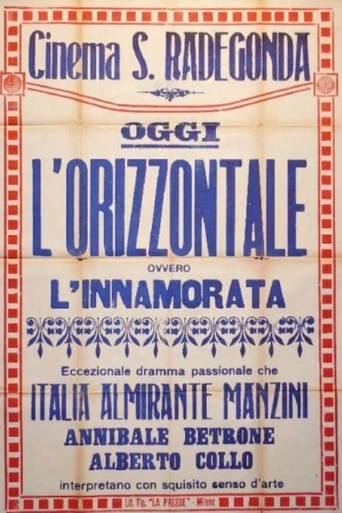
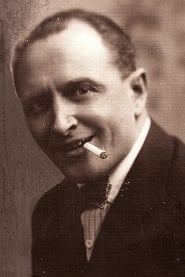
Annibale Betrone was an Italian stage and screen actor whose film work places him among the important character performers of the early Italian silent and sound eras. He is known to have appeared in L'innamorata (1920), and his surviving filmography suggests a career centered more strongly in theatre and supporting screen roles than in international stardom. Like many Italian actors of his generation, he likely moved between stage and cinema at a time when the film industry was still defining its style and star system. His name is associated with the early decades of Italian filmmaking, when performers often brought a strong theatrical tradition to silent-era screen acting. Because the historical record on his life is limited in widely available film-reference sources, many personal details remain difficult to verify with certainty. Nevertheless, his inclusion in early Italian cinema records confirms that he was part of the generation of actors who helped establish performance standards in the formative years of Italian film.
More about Annibale Betrone
On screen
No detailed contemporary critical description of Annibale Betrone's acting style is readily documented in commonly available sources. As an actor active in the silent era, his screen performance would have relied on expressive physicality, facial nuance, and stage-trained gesture to communicate character and emotion without spoken dialogue. His work likely reflected the Italian theatrical tradition common among film actors of the period, emphasizing clarity, presence, and dramatic intensity.
In film history
Annibale Betrone's cultural impact lies primarily in his place within the early development of Italian screen acting rather than in widespread celebrity. Actors like him helped bridge the traditions of nineteenth-century stage performance and the emerging grammar of cinema, especially in the silent period when expressive technique was essential. Even when not leading stars, such performers contributed to the professionalization of the Italian film industry and the depth of ensemble acting in early feature films. His presence in surviving film records also serves as a reminder of the many working actors whose careers supported the artistic growth of national cinemas.
Later reputation
Betrone's lasting legacy is archival and historical: he is part of the documented cast of early Italian cinema and thus remains of interest to scholars of silent film and performance history. While he is not widely remembered as a major international star, his film credit in L'innamorata preserves his name within the lineage of early twentieth-century Italian screen actors. For historians, personalities like Betrone are important because they represent the broader ecosystem of performers who made silent cinema viable and artistically credible. His legacy endures through film databases, national cinema histories, and the continued study of early Italian production.
Influence
There is no well-documented evidence that Annibale Betrone directly mentored major later actors or exerted a formally recorded influence on a named group of performers. His influence is better understood indirectly, as part of the generation of stage-trained actors whose work helped establish acting conventions for Italian silent film. By participating in early screen production, he contributed to a performance culture that later actors inherited and adapted as sound cinema developed. His career therefore belongs to the foundational layer of Italian film acting rather than to a singularly documented star-driven legacy.
Off screen
Publicly accessible biographical information about Annibale Betrone's personal life is scarce. Standard film-reference materials do not consistently provide details about his family, marriages, education, or private affairs. As a result, little can be stated with confidence beyond his identity as an Italian performer active in early cinema. His private life appears to have remained outside the surviving public record, which is not unusual for many silent-era supporting actors.
Credits
- Appeared in the silent-era film L'innamorata (1920)
- Worked during the formative period of Italian cinema when theatrical actors were transitioning to film performance
- Represents the class of early twentieth-century Italian character actors whose contributions helped shape silent-era screen acting
Roles
- Role in L'innamorata (1920)
Films
- L'innamorata (1920)
Notes
- He is associated with the silent-era Italian film L'innamorata (1920).
- Available film-reference sources provide very limited personal biographical detail about him.
- His career appears to have been documented far more sparsely than those of major contemporary stars.
- He is part of the generation of performers who worked before Italian cinema's international postwar fame.
- Like many actors of his era, he likely moved in a theatrical and film environment where stage skills were highly valued.
- His historical significance is strongest for researchers of early Italian screen performance and cast records.
Questions
Who was Annibale Betrone?
Annibale Betrone was an Italian actor associated with early cinema, especially the silent era. He is documented in connection with L'innamorata (1920), and his career belongs to the formative years of Italian film performance.
What films is Annibale Betrone best known for?
The main film currently associated with him in available references is L'innamorata (1920). Because his surviving filmography is limited in widely accessible sources, additional credits may exist but are not consistently documented.
When was Annibale Betrone born and when did he die?
His birth and death dates are not readily verifiable from the available historical record used here. In film-reference databases, many lesser-documented silent-era performers have incomplete biographical data, and Betrone is one of them.
What awards did Annibale Betrone win?
No awards or formal honors are readily documented for Annibale Betrone in the available record. This is not unusual for early silent-era actors, especially those whose careers were primarily in supporting or character roles.
What was Annibale Betrone's acting style?
As a silent-era performer, his acting would have depended on expressive gesture, body language, and facial expression rather than dialogue. His style likely reflected the theatrical traditions common among Italian actors of the period.
What is Annibale Betrone's legacy in film history?
His legacy is as part of the early Italian cinema workforce that helped build the country's screen-acting tradition. Even when records are sparse, actors like Betrone remain important to film historians because they represent the ensemble foundation of silent-era production.