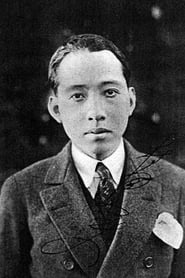
Minoru Murata
Actor & Director
Born: March 30, 1894 in Hakodate, Hokkaido, Japan Died: June 24, 1937 Active: 1921-1937
Films
1 film
About Minoru Murata
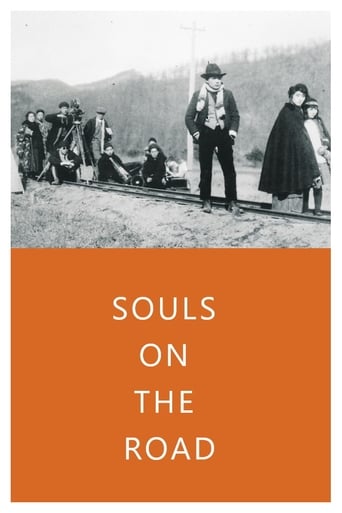
Japanese filmmaker who emerged during the formative years of Japan's cinema industry in the early 1920s. Born in Hakodate, Hokkaido, in 1894, Murata began his career as an actor before transitioning to directing, becoming one of the first Japanese directors to incorporate Western cinematic techniques into his work. His most significant achievement was co-directing 'Souls on the Road' (1921) with Thomas Kurihara, a film that introduced parallel narratives and sophisticated editing to Japanese cinema, heavily influenced by D.W. Griffith's 'Intolerance.' Murata worked primarily with the Shochiku studio, where he helped develop a more cinematic approach to filmmaking, moving away from the theatrical conventions that dominated early Japanese films. His career, though relatively brief and centered around the early 1920s, had a lasting impact on the development of Japanese cinema's narrative language. Murata continued working in the film industry until his death in 1937 at age 43, though his most influential work remains 'Souls on the Road.' His contributions helped lay the groundwork for future Japanese masters like Yasujirō Ozu and Kenji Mizoguchi.
The Craft
On Screen
While specific details about Murata's acting style are limited due to the loss of early films, as an actor in the silent era he would have employed the exaggerated physical expressions and gestures typical of the period. His experience as an actor likely informed his later directorial work, giving him insight into performance and visual storytelling that was crucial during the transition from theatrical to cinematic presentation in Japanese film.
Behind the Camera
Murata's directing style was characterized by its innovative use of Western cinematic techniques, particularly the parallel narrative structure influenced by D.W. Griffith. He employed sophisticated editing techniques, including cross-cutting between multiple storylines, which was revolutionary for Japanese cinema at the time. His visual approach combined cinematic realism with dramatic storytelling, focusing on social themes of poverty and human struggle in post-WWI Japan. Murata's work marked a departure from the more theatrical, stage-like presentation common in early Japanese films, embracing a more fluid camera movement and dynamic composition that emphasized the cinematic medium's unique capabilities.
Milestones
- Co-directing 'Souls on the Road' (1921)
- Western cinematic techniques in Japanese cinema
- Working with Shochiku studio
- Developing parallel narrative structure in Japanese film
- Transitioning from actor to director during cinema's formative years
Best Known For
Iconic Roles
Must-See Films
Accolades
Special Recognition
- Recognized as a director in Japanese cinema history
- Credited with introducing Western cinematic techniques to Japanese film
- Historically acknowledged for his role in modernizing Japanese cinema
Working Relationships
Worked Often With
Studios
Why They Matter
Impact on Culture
Minoru Murata's cultural impact lies primarily in his role as a bridge between Western cinematic innovation and Japanese storytelling traditions. Through 'Souls on the Road,' he introduced sophisticated narrative techniques to Japanese cinema, helping to establish a more cinematic language that would influence generations of Japanese filmmakers. His work demonstrated that Japanese cinema could adopt international techniques while maintaining its cultural identity, paving the way for the golden age of Japanese cinema in the 1950s. Murata's focus on social themes and human struggle resonated with audiences during a period of rapid modernization in Japan, making his work culturally relevant beyond its technical innovations. His influence helped establish Japan as a serious contributor to world cinema rather than merely imitating Western styles.
Lasting Legacy
Minoru Murata's legacy endures through his work in establishing a cinematic language for Japanese films. Though his career was relatively brief and most of his films are now lost, film historians recognize 'Souls on the Road' as a crucial turning point in Japanese cinema history. Murata demonstrated that Japanese filmmakers could create sophisticated, internationally-influenced cinema without losing their cultural identity, a balance that would become a hallmark of the greatest Japanese directors who followed. His work helped establish Shochiku as a major force in Japanese cinema and contributed to the development of narrative techniques that would be refined by later masters like Ozu, Mizoguchi, and Kurosawa. While not as well-known internationally as these later directors, Murata is remembered by film scholars as a crucial figure in the modernization of Japanese cinema.
Who They Inspired
Murata's influence can be traced through the development of Japanese cinema's narrative sophistication. His adoption of Western editing techniques and parallel storytelling influenced subsequent generations of Japanese directors who would perfect and expand upon these foundations. Directors like Yasujirō Ozu, who began his career around the same time, would later develop their own distinct styles but built upon the technical innovations that filmmakers like Murata introduced. The social consciousness evident in Murata's work also presaged the humanistic approach that would characterize much of Japan's classic cinema. His success in blending international techniques with Japanese themes provided a model for how Japanese cinema could participate in global film culture while maintaining its unique identity.
Off Screen
Limited information is available about Minoru Murata's personal life, which was common for figures from early Japanese cinema. He was born in Hakodate, Hokkaido, and moved to Tokyo to pursue his career in film. His life spanned a crucial period in Japan's modernization, and his work reflected the social changes occurring in the country during the Taishō period. Murata died at the relatively young age of 43 in 1937, cutting short what might have been an even more influential career. His death occurred just before Japan's entry into World War II, a period that would dramatically transform the country's film industry.
Education
Specific educational details are not well-documented, but like many early Japanese filmmakers, he likely learned through practical experience in the emerging film industry rather than formal film education. The film industry in Japan during the 1920s was still developing, and most filmmakers learned their craft through apprenticeship and hands-on experience rather than academic training.
Did You Know?
- Co-directed 'Souls on the Road' with Thomas Kurihara, showing early collaboration in Japanese cinema
- His most famous film 'Souls on the Road' is now considered a lost film, with only fragments remaining
- The film was heavily influenced by D.W. Griffith's 'Intolerance' (1916)
- Murata was one of the first Japanese directors to use parallel narrative structure
- He worked during the Taishō period, a time of significant cultural modernization in Japan
- His film focused on social issues like poverty and unemployment in post-WWI Japan
- Murata began as an actor before transitioning to directing
- His active years covered the crucial transition from purely theatrical film presentation to more cinematic techniques in Japan
Frequently Asked Questions
Who was Minoru Murata?
Japanese on YTB.my.' He was one of the first Japanese filmmakers to incorporate Western cinematic techniques into Japanese cinema, helping to modernize the country's film industry during the crucial formative years of the 1920s.
What films is Minoru Murata best known for?
Titles linked here include Souls on the Road (1921).
When was Minoru Murata born and when did he die?
Born March 30, 1894; died June 24, 1937.
What awards did Minoru Murata win?
Minoru Murata worked during the early 1920s when formal award systems for cinema were not yet established in Japan. While he didn't receive contemporary awards, he is recognized by film historians as a figure who significantly influenced the development of Japanese cinema through his innovative techniques and artistic vision.
What was Minoru Murata's directing style?
Murata's directing style was characterized by innovative use of Western cinematic techniques, particularly parallel narrative structure influenced by D.W. Griffith. He employed sophisticated editing including cross-cutting between multiple storylines, which was revolutionary for Japanese cinema. His work focused on social themes and marked a departure from theatrical conventions toward a more cinematic visual language.