

Souls on the Road
"Fiddle dreams, convict shadows"
Keys: Space play/pause · ←/→ 10s · F fullscreen · M mute · </> speed
About this film
Minoru Murata intercuts a fiddler's dream with two convicts escaped near a country road. A small town boy dreams of being a famous fiddler; Meanwhile, two convicts escape from prison and hide in the woods.
Cast & crew
More films like this

More Drama films
View all →







More about this film
About the production
Release dateDecember 30, 1921
Box officeUnknown - box office tracking was not systematically recorded in 1920s Japan
ProductionShochiku Studios
Filmed inYokohama, Japan, Location shooting in rural areas near Tokyo
This film was revolutionary for its time as one of the first Japanese films to extensively use location shooting rather than relying entirely on studio sets. Director Minoru Murata employed innovative techniques influenced by Western cinema, including dynamic camera movements and naturalistic acting styles that departed from the more theatrical traditions of early Japanese film. The production faced significant technical challenges due to the primitive equipment available in 1921 Japan.
Themes
Ambition and dreamsRedemption and second chancesSocial class and mobilityNature versus civilizationThe collision of different worlds
Themes & topics
Historical background
1921 placed Souls on the Road within Japan cinema as Shochiku Studios navigated wartime markets, immigration audiences, and the shift from intertitles to sound.
Why this film matters
Archivists revisit Souls on the Road (1921) for Minoru Murata style, genre norms at Shochiku Studios, and the exhibition context of Approximately 70 minutes (typical for feature films of this era) programming.
Making of
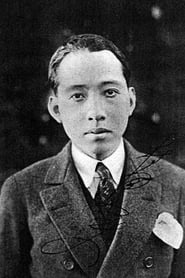
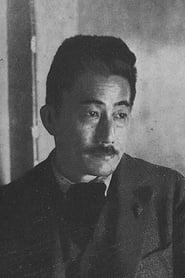
The production of 'Souls on the Road' marked a significant turning point in Japanese cinema history. Director Minoru Murata, who had studied Western filmmaking techniques, brought a new cinematic language to Japanese screens. The film's production was challenging due to the primitive state of film equipment in 1921 Japan - cameras were heavy, film stock was expensive, and lighting equipment was rudimentary. Despite these limitations, Murata insisted on location shooting, which required transporting bulky equipment to rural areas. The cast, led by the renowned theater actor Kaoru Osanai, adapted their acting styles from the exaggerated Kabuki-influenced performances typical of early Japanese cinema to a more naturalistic approach influenced by Western films. This transition was difficult for many actors accustomed to theatrical projection techniques.
What critics said
Retrospective writing on Souls on the Road stresses craft by Minoru Murata, print survival, and repertory value rather than opening-week gross alone.
Did you know?
- This was one of the first Japanese films to be influenced by Western cinematic techniques, particularly the work of D.W. Griffith
- The film is considered lost, like approximately 90% of Japanese films made before 1923
- Director Minoru Murata was a pioneer who helped transition Japanese cinema from theatrical presentations to more cinematic forms
- The film's title 'Rojō no Reikon' translates literally to 'Souls on the Road' in English
- It was one of the earliest Japanese films to use parallel editing to tell multiple storylines simultaneously
- The production company Shochiku would later become one of Japan's major film studios
- The film was released during the Taishō period, a time of significant cultural change and Western influence in Japan
- Contemporary accounts suggest the film was quite ambitious in scope compared to other Japanese productions of 1921
- The film's use of location shooting was groundbreaking for Japanese cinema, which traditionally relied on studio sets
- Kaoru Osanai, one of the stars, was also a prominent theater director who helped modernize Japanese performing arts
Visual style
The cinematography of 'Souls on the Road' was groundbreaking for its time in Japanese cinema. The film employed extensive location shooting, which was rare for Japanese productions in 1921. Cinematographers used natural lighting and outdoor settings to create a more realistic visual style, departing from the controlled studio lighting typical of the era. The camera work included dynamic movements and angles influenced by Western cinema, particularly the techniques pioneered by D.W. Griffith. The film used parallel editing to cut between different storylines, creating tension and narrative complexity. Visual composition emphasized natural landscapes and authentic rural environments, providing a documentary-like quality to many scenes. The cinematography also experimented with depth of field and framing techniques that were advanced for the period, helping to establish a more cinematic visual language in Japanese film.
Innovations
'Souls on the Road' achieved several technical milestones for Japanese cinema in 1921. The film's extensive use of location shooting was revolutionary, requiring portable cameras and equipment that were cumbersome by modern standards. The cinematography employed advanced techniques for the period, including dynamic camera movements and varied angles that departed from the static, theatrical style common in early Japanese films. The film's use of parallel editing to weave together multiple storylines demonstrated sophisticated narrative techniques rarely seen in Japanese cinema at the time. The production also experimented with natural lighting techniques in outdoor settings, creating more realistic visual effects. These technical innovations required significant ingenuity given the primitive state of film equipment in 1921 Japan and helped establish new technical standards for the Japanese film industry.
Music
As a silent film, 'Souls on the Road' would have featured live musical accompaniment during theatrical screenings. The specific musical scores used are not documented, but typical practice in 1920s Japan included a combination of Western classical music, traditional Japanese instruments, and original compositions. The film's central character being a fiddler suggests that violin music would have been prominently featured in the live accompaniment. Larger theaters in Tokyo and Yokohama would have employed small orchestras or ensembles, while smaller venues might have used a single pianist or traditional Japanese instruments like the shamisen. The musical direction would have varied by theater and performance, as was common in the silent era. The soundtrack would have been crucial in conveying emotional tone and narrative progression, particularly during the dramatic escape sequences and the emotional climax.
Famous quotes
No surviving dialogue quotes exist as the film is silent and no intertitles have been preserved
Memorable scenes
- The opening sequence introducing the young fiddler practicing in his rural village
- The dramatic prison escape sequence with the two convicts fleeing into the forest
- The confrontation scene where the escaped convicts encounter the village community
- The final resolution where the different storylines converge in the forest setting
What audiences thought
Audience reception to 'Souls on the Road' in 1921 was reportedly strong, particularly among urban audiences in Tokyo and Yokohama who were more exposed to Western cultural influences. The film's more realistic approach and departure from traditional storytelling methods appealed to younger, modern Japanese viewers. Contemporary accounts suggest that audiences were impressed by the location photography, which offered views of rural Japan that many city dwellers had never seen. The parallel storylines and faster pacing compared to typical Japanese films of the period were noted as particularly engaging. However, some traditional viewers may have found the Western-style techniques jarring or unfamiliar. The film's success helped demonstrate that Japanese audiences were ready for more sophisticated cinematic storytelling, paving the way for further innovation in the industry.
Film connections
Influenced by
- D.W. Griffith's narrative techniques
- Western silent film innovations
- Japanese theatrical traditions
- Contemporary literature of the Taishō period
This film influenced
- Subsequent Shochiku productions of the 1920s
- Later Japanese social realist films
- Japanese films featuring parallel storylines
Film restoration
The film is considered lost. Like approximately 90% of Japanese films produced before 1923, 'Souls on the Road' no longer exists in any known form. The loss is attributed to several factors including the Great Kanto Earthquake of 1923, which destroyed many film archives and studios, poor preservation practices in early Japanese cinema, and the flammable nature of early film stock. No complete prints, fragments, or even significant still photographs from the film are known to survive. The film exists only through contemporary reviews, production records, and historical accounts.
Where to watch
- The film is not available for viewing as it is considered lost. No known copies exist in any film archives or collections worldwide.