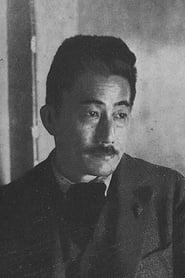
Kaoru Osanai
Actor
Born: July 26, 1881 in Tokyo, Japan Died: December 25, 1928 Active: 1909-1928 Birth Name: Kaoru Osanai (小山内薫)
Films
1 film
About Kaoru Osanai
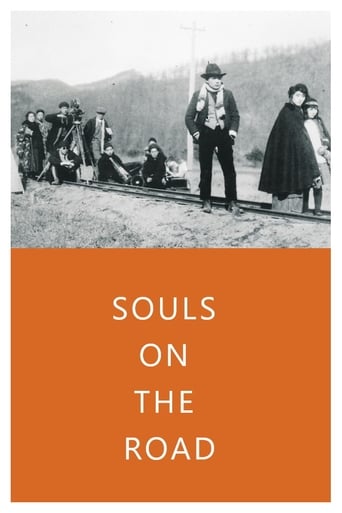
Figure in modern Japanese theater and early cinema, born in 1881 in Tokyo. He emerged as a revolutionary force in Japanese performing arts during the early 20th century, challenging traditional theatrical forms and introducing Western dramatic techniques. Osanai studied theater in Europe, particularly in Germany and Russia, where he absorbed contemporary theatrical innovations that would transform Japanese stagecraft. Upon returning to Japan, he founded the Free Theater (Jiyū Gekijō) in 1909, which became a crucible for modern dramatic expression in Japan. His directorial approach emphasized psychological realism and naturalistic performance styles, breaking away from the stylized conventions of traditional Japanese theater. While primarily known for his theatrical work, Osanai ventured into cinema during the early 1920s, most notably appearing in and influencing the landmark silent film 'Souls on the Road' (1921). He continued to write, direct, and teach until his death in 1928, leaving an indelible mark on Japanese performing arts that would influence generations of artists.
The Craft
On Screen
Osanai's acting style, though demonstrated primarily in his theatrical work and limited film appearances, emphasized psychological realism and naturalistic expression. He rejected the exaggerated, stylized gestures common in traditional Japanese theater in favor of more subtle, emotionally authentic performances. His approach drew heavily from European naturalist traditions, focusing on internal character motivation rather than external theatricality. In 'Souls on the Road,' his performance reflected this modern sensibility, bringing a contemplative, introspective quality that it from contemporary Japanese cinema.
Milestones
- Founded the Free Theater (Jiyū Gekijō) in 1909, revolutionizing Japanese theater
- Studied theater in Europe, bringing Western dramatic techniques to Japan
- Directed and appeared in 'Souls on the Road' (1921), a landmark of Japanese silent cinema
- Established the Tsukiji Little Theater (Tsukiji Shōgekijō) in 1924
- Authored numerous influential plays and critical essays on theater
- Mentored generations of Japanese theater and film artists
- Pioneered naturalistic acting styles in Japanese performance
Best Known For
Iconic Roles
Must-See Films
Accolades
Won
- Posthumous recognition as a Pioneer of Modern Japanese Theater
Nominated
- No formal award system existed during his active period
Special Recognition
- Recognized as one of Japan's most important theatrical innovators
- Tsukiji Little Theater named in his honor
- Numerous Japanese theaters and awards bear his name
- Inducted into Japanese Theater Hall of Fame posthumously
- His plays remain in the repertoire of major Japanese theaters
Working Relationships
Worked Often With
Studios
Why They Matter
Impact on Culture
Kaoru Osanai fundamentally transformed Japanese performing arts by introducing modern theatrical techniques and challenging centuries-old traditions. His work represented a crucial bridge between traditional Japanese theater and contemporary global performance practices, helping Japan navigate its cultural identity during a period of rapid modernization. Through his theaters and productions, Osanai created spaces for artistic experimentation and social commentary that had previously been unavailable in Japanese culture. His emphasis on realism and psychological depth influenced not only theater but also emerging Japanese cinema, contributing to the development of a more sophisticated and internationally resonant artistic language. Osanai's cultural impact extended beyond his own productions, as his students and collaborators continued to develop his ideas throughout the 20th century.
Lasting Legacy
Osanai's legacy endures through the continued influence of his theatrical innovations on Japanese performing arts. The Shingeki (New Drama) movement, which he helped establish, remains a vital force in Japanese theater. Many of Japan's most important post-war theater and film artists, including influential directors like Akira Kurosawa, trace their artistic lineage back to Osanai's work. His writings on theater theory and criticism continue to be studied in Japanese academic institutions, and his plays are periodically revived by major theaters. The Tsukiji Little Theater, which he founded, evolved into one of Japan's most important theatrical institutions. Osanai's vision of a modern, internationally engaged Japanese theater has been fully realized in contemporary Japanese performing arts, though perhaps not always in the specific ways he imagined.
Who They Inspired
Osanai influenced generations of Japanese artists through his radical rethinking of performance, directing, and theatrical production. His students and collaborators became leaders of Japan's theatrical and cinematic renaissance in the mid-20th century. Directors like Akira Kurosawa and Kenji Mizoguchi, though primarily working in film, were influenced by the naturalistic acting styles and narrative techniques Osanai introduced. His emphasis on ensemble performance and psychological realism became standard practice in Japanese theater and film. International theater practitioners studying Japanese performance often encounter Osanai's work as a crucial turning point in the modernization of Asian theatrical traditions. Contemporary Japanese theater companies continue to grapple with and build upon his innovations in blending traditional and modern performance techniques.
Off Screen
Kaoru Osanai led a life dedicated entirely to the arts, remaining unmarried and childless to focus on his revolutionary work in theater and cultural criticism. He was known for his intense intellectual curiosity and dedication to artistic excellence, often working long hours on productions and writings. Osanai was part of Tokyo's intellectual and artistic circles, engaging with writers, artists, and cultural figures who shared his vision for modernizing Japanese arts. Despite his professional success, he maintained a relatively private personal life, with most of his energy devoted to his theatrical enterprises and cultural activities. His death at age 47 was widely mourned in Japan's artistic community, which recognized the immense loss of a visionary leader.
Education
Graduated from Tokyo Imperial University; studied theater extensively in Europe, particularly in Germany and Russia during the early 1900s
Family
- None - never married
Did You Know?
- Osanai was one of the first Japanese theater artists to study extensively in Europe
- He founded Japan's first modern theater company, the Free Theater, in 1909
- His production of Ibsen's 'Ghosts' in 1913 caused controversy for its realistic portrayal of social issues
- Osanai was fluent in multiple languages and translated many European plays into Japanese
- He wrote over 50 plays and numerous critical essays on theater and culture
- His death at age 47 was attributed to overwork and exhaustion from his artistic endeavors
- The famous 'Souls on the Road' was heavily influenced by his theatrical sensibilities
- He was known for his strict rehearsal methods and demanding standards for performers
- Osanai's home in Tokyo became a gathering place for artists and intellectuals
- He rejected traditional Japanese theater forms like Kabuki and Noh in favor of Western-style realism
In Their Own Words
Theater must be a mirror to society, reflecting its truths without compromise.
Art without truth is merely decoration; art with truth is revolution.
We must destroy the old to create the new in Japanese theater.
The actor's body is not a tool for display but a vessel for truth.
Modern Japan needs a modern theater that speaks to its contemporary soul.
Frequently Asked Questions
Who was Kaoru Osanai?
Japanese theater on YTB.my. He founded Japan's first modern theater company and introduced Western theatrical techniques to Japanese audiences. Though primarily known for his theatrical work, he also appeared in and influenced early Japanese cinema, including the landmark silent film 'Souls on the Road' (1921).
What films is Kaoru Osanai best known for?
Titles linked here include Souls on the Road (Rojō no reikon, 1921).
When was Kaoru Osanai born and when did he die?
Born July 26, 1881; died December 25, 1928.
What awards did Kaoru Osanai win?
During his lifetime, formal award systems for theatrical arts were not established in Japan. However, Osanai received posthumous recognition as a pioneer of modern Japanese theater, and numerous theaters, awards, and institutions have been named in his honor. His legacy is celebrated through the continued performance of his plays and the ongoing influence of his theatrical innovations on Japanese performing arts.
What was Kaoru Osanai's directing style?
Osanai's directing style was characterized by psychological realism, naturalistic acting, and minimalist staging. He rejected the stylized conventions of traditional Japanese theater in favor of contemporary European techniques, emphasizing ensemble work and authentic emotional expression. His productions often addressed social themes and contemporary issues, using theater as a medium for cultural critique and modernization.