Films
1 film
About Sotaro Okada
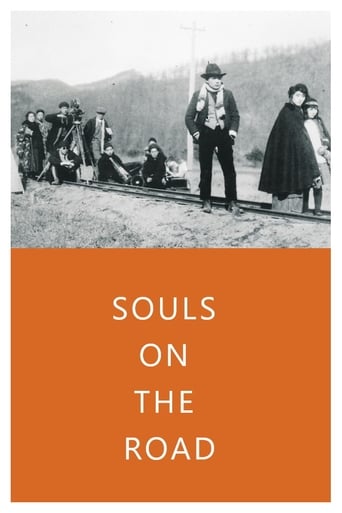
Sotaro Okada appears once in this catalog: Souls on the Road (1921). His known filmography consists of a single appearance in the landmark 1921 silent film 'Souls on the Road' (Rōjō no reikon), directed by Minoru Murata. This film was significant as one of the earliest examples of shomin-geki, a genre focusing on the lives of ordinary people. Okada's participation in this production places him among the generation of Japanese film actors. The film itself was highly influential in establishing realistic storytelling techniques in Japanese cinema, moving away from the theatrical style of earlier films. Unfortunately, like many actors from this very early period of Japanese film history, detailed records of Okada's life and career are extremely limited, and 'Souls on the Road' appears to be his only surviving credited work. His brief appearance during this crucial transitional period in Japanese cinema makes him part of the foundation upon which the nation's film industry was built.
The Craft
Milestones
- Appeared in 'Souls on the Road' (1921),
Best Known For
Must-See Films
Working Relationships
Worked Often With
Studios
Why They Matter
Impact on Culture
Sotaro Okada's contribution to cinema, though limited to a single known film, places him within the foundational period of Japanese cinema. 'Souls on the Road' was revolutionary in its approach to realistic storytelling and helped establish the shomin-geki genre that would become central to Japanese cinema. While his individual role may have been small, his participation in this landmark production makes him part of the generation that helped shape Japanese film artistry during its crucial formative years. The film itself influenced countless Japanese directors and helped establish a more naturalistic acting style that departed from the exaggerated theatrical performances common in early Japanese cinema.
Lasting Legacy
Sotaro Okada's legacy is primarily tied to his involvement in 'Souls on the Road' (1921), a film that has been recognized by film historians as a pivotal work in the development of Japanese cinema. While his personal legacy as an actor remains obscure due to the limited documentation of early Japanese film performers, his contribution to this historically significant film ensures his place in the annals of Japanese film history. The film itself has been studied and analyzed by cinema scholars for decades, and all cast members, including Okada, are acknowledged as part of this important cinematic milestone that helped establish realistic narrative techniques in Japanese filmmaking.
Who They Inspired
Due to the extremely limited documentation of Sotaro Okada's career and the apparent brevity of his film work, there is no substantial evidence of direct influence on other actors or filmmakers. However, his participation in 'Souls on the Road' contributed to a film that was highly influential in establishing more naturalistic acting styles in Japanese cinema, thereby indirectly influencing subsequent generations of Japanese actors who moved away from theatrical performance styles toward more subtle and realistic portrayals.
Off Screen
Very little is known about Sotaro Okada's personal life, which is typical for actors from the earliest period of Japanese cinema when detailed biographical records were not systematically maintained.
Did You Know?
- 'Souls on the Road' (1921) is considered one of the lost films of Japanese cinema, with only fragments surviving today
- The film was directed by Minoru Murata, one of the pioneers of Japanese cinema
- 'Souls on the Road' was produced by Shochiku Studios, which would become one of Japan's major film companies
- The film was an adaptation of Maxim Gorky's play 'The Lower Depths'
- The film was significant for establishing the shomin-geki genre in Japanese cinema
- 1921 was a very early period in Japanese cinema history, with the industry still in its developmental stages
- Many actors from this period of Japanese cinema have incomplete or lost biographical records
- The film was part of the movement away from kabuki-style theatrical acting toward more naturalistic performance
Frequently Asked Questions
Who was Sotaro Okada?
Early Japanese film with credits in this catalog.' He was active during the formative years of Japanese cinema and was part of the generation of Japanese film actors.
What films is Sotaro Okada best known for?
Titles linked here include Souls on the Road (1921).
When was Sotaro Okada born and when did he die?
Unfortunately, specific birth and death dates for Sotaro Okada are not available in historical records, which is common for actors from the very early period of Japanese cinema when biographical documentation was limited.
What awards did Sotaro Okada win?
There are no records of Sotaro Okada receiving any formal awards or nominations, which is typical for actors from this very early period of Japanese cinema when such recognition systems were not yet established.
What was Sotaro Okada's acting style?
While specific details about Sotaro Okada's acting style are not documented, his participation in 'Souls on the Road' suggests he was part of the movement toward more naturalistic acting in Japanese cinema, moving away from the theatrical kabuki-influenced performances of earlier films.
Why is Sotaro Okada significant in film history?
Sotaro Okada is significant primarily through his association with 'Souls on the Road' (1921), a landmark film that helped establish realistic storytelling and the shomin-geki genre in Japanese cinema. His participation places him among the pioneers who helped shape Japanese film during its crucial formative years.