Films
2 films
About Yuriko Hanabusa
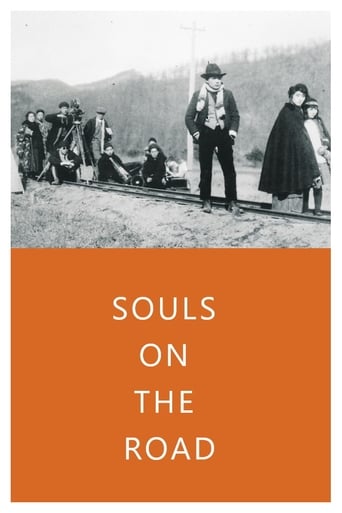
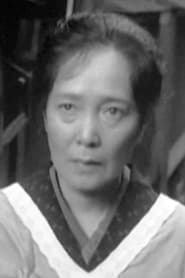
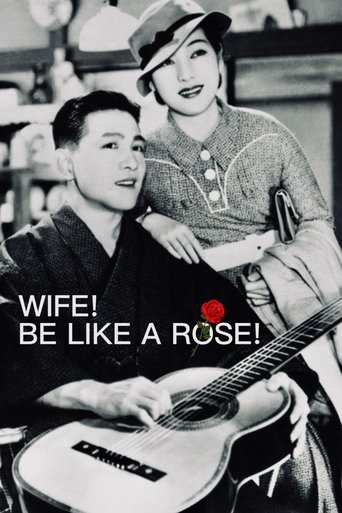
Made significant contributions to early Japanese cinema during the silent era and transition to sound. She began her film career in the early 1920s, appearing in the influential 1921 film 'Souls on the Road' (Rojō no reikon), which was one of the first Japanese films to incorporate cinematic techniques learned from Western cinema. Hanabusa continued to work steadily throughout the 1920s, becoming one of the more recognizable faces in Japanese silent films. Her career extended into the early sound era, culminating with her appearance in Mikio Naruse's acclaimed 1935 film 'Wife! Be Like a Rose!' (Tsuma Yo Bara No Yoni Ni), which was notable for being one of the first Japanese films to receive theatrical distribution in the United States. Throughout her career, Hanabusa demonstrated remarkable adaptability, transitioning from the exaggerated acting style of silent films to the more naturalistic approach required by sound cinema. Her performances often portrayed the complex social dynamics of Japanese women during a period of rapid modernization and cultural change.
The Craft
On Screen
Yuriko Hanabusa's acting style evolved significantly throughout her career, reflecting the major transitions in Japanese cinema. During the silent era, she employed the exaggerated gestures and facial expressions typical of the period, using her physicality to convey emotion and narrative to audiences without dialogue. As Japanese cinema transitioned to sound in the early 1930s, Hanabusa adapted her technique to incorporate more subtle, naturalistic performances that could capture the nuance of spoken dialogue while maintaining the visual expressiveness of her silent film training. Her performances often embodied the traditional Japanese aesthetic of 'mono no aware' (the pathos of things), bringing depth and emotional resonance to her characters.
Milestones
- Starred in 'Souls on the Road' (1921),
- Appeared in 'Wife! Be Like a Rose!' (1935), the first Japanese film to be commercially released in the United States
- Successfully transitioned from silent films to early sound cinema
- Worked during the golden age of Japanese silent cinema
- Contributed to the development of Japanese film acting techniques
Best Known For
Iconic Roles
Must-See Films
Accolades
Special Recognition
- Recognized as a pioneer of Japanese cinema
Working Relationships
Worked Often With
Studios
Why They Matter
Impact on Culture
Yuriko Hanabusa played a significant role in the development of Japanese cinema during its formative years. Her work in 'Souls on the Road' contributed to the establishment of Japanese film as a serious artistic medium, helping to move it away from simple theatrical recordings toward a distinct cinematic language. As one of the actresses who successfully navigated the transition from silent to sound films, Hanabusa represented the adaptability and professionalism of Japanese actors during this crucial period of technological change. Her participation in 'Wife! Be Like a Rose!' helped introduce Japanese cinema to international audiences, particularly in the United States, paving the way for the global recognition that Japanese directors like Ozu, Kurosawa, and Mizoguchi would later achieve.
Lasting Legacy
Yuriko Hanabusa's legacy lies in her contribution to the foundation of Japanese cinema during its silent and early sound era. While she may not be as well-known internationally as some of her contemporaries who worked later in the century, her performances helped establish the acting conventions and techniques that would influence generations of Japanese actors. The films she appeared in, particularly 'Souls on the Road,' are studied by film historians as important examples of early Japanese cinematic artistry. Her career represents the bridge between traditional Japanese performing arts and modern cinema, embodying the cultural synthesis that characterized much of Japan's artistic development during the early 20th century.
Who They Inspired
Hanabusa influenced subsequent generations of Japanese actresses through her demonstrated ability to adapt to changing cinematic technologies and styles. Her work helped establish the precedent for Japanese actors to successfully transition between different eras of filmmaking, a tradition that continues in Japanese cinema today. The naturalistic yet emotionally resonant style she developed during the transition to sound influenced the acting approaches that would become characteristic of Japanese cinema's golden age in the 1950s.
Off Screen
Limited information is available about Yuriko Hanabusa's personal life, as was common for many actors of her era in Japan. She worked during a period when actors were not always given the same level of public documentation as in Western cinema, and many personal details were not widely recorded or preserved.
Did You Know?
- 'Souls on the Road' (1921) was heavily influenced by D.W. Griffith's 'Intolerance' and was considered a masterpiece of Japanese silent cinema
- 'Wife! Be Like a Rose!' (1935) was the first Japanese film to receive commercial theatrical distribution in the United States
- Hanabusa worked during a period when Japanese cinema was establishing its unique identity separate from Western influences
- The 1920s, when Hanabusa began her career, saw the emergence of the 'pure film' movement in Japan, which emphasized cinematic techniques over theatrical traditions
- Many Japanese actors from the silent era, including Hanabusa, had to completely retrain their acting techniques when sound was introduced
- Japanese cinema of the 1920s and 1930s was heavily censored by the government, influencing the types of roles available to actors like Hanabusa
- The film 'Souls on the Road' was partially lost over time, with only fragments surviving today
- Hanabusa's active years covered a crucial period in Japanese history, including the Taishō democracy and early Shōwa periods
Frequently Asked Questions
Who was Yuriko Hanabusa?
Japanese actress who worked during the silent era and early sound period of Japanese cinema, active from 1921 to 1935. She appeared in significant films including 'Souls on the Road' (1921) and 'Wife! Be Like a Rose!' (1935), contributing to the development of Japanese film acting during its formative years.
What films is Yuriko Hanabusa best known for?
Titles linked here include Souls on the Road (1921), Wife! Be Like a Rose! (1935).
When was Yuriko Hanabusa born and when did she die?
Born 1900; died 1970.
What was Yuriko Hanabusa's acting style?
Hanabusa's acting style evolved from the exaggerated expressions typical of silent film to a more naturalistic approach in sound films. She successfully adapted her technique to incorporate spoken dialogue while maintaining visual expressiveness, often embodying traditional Japanese aesthetic sensibilities.
What was the significance of 'Souls on the Road' (1921)?
'Souls on the Road' was a landmark Japanese silent film that incorporated cinematic techniques learned from Western cinema, particularly influenced by D.W. Griffith's work. It represented a major step forward in establishing Japanese cinema as a distinct artistic medium rather than simply filmed theater.
How did Yuriko Hanabusa contribute to Japanese cinema?
Hanabusa contributed to Japanese cinema by helping establish acting conventions during the silent era, successfully transitioning to sound films, and participating in historically significant films that introduced Japanese cinema to international audiences. Her work helped lay the foundation for future generations of Japanese actors.