

Wife! Be Like a Rose!
"1935 film directed by Mikio Naruse"
Keys: Space play/pause · ←/→ 10s · F fullscreen · M mute · </> speed
About this film
It is based on the shinpa play Futari tsuma by Minoru Nakano and one of Naruse's earliest sound films. Was one of the first Japanese films to see a theatrical release in the United States. It was voted "The Best Japanese Film of the Year" in 1935 by critics of the prestigious film magazine Kinema Junpo.
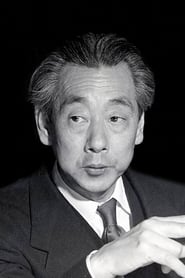
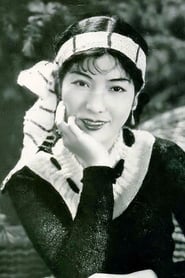
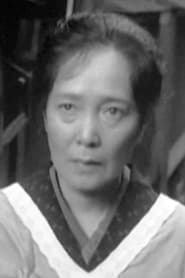
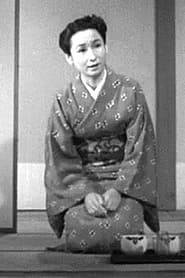
Cast & crew
More films like this
More Drama films
View all →







More about this film
About the production
Release dateOctober 15, 1935 (Japan)
Box officeVery successful in Japan, becoming one of the highest-grossing domestic films of 1935
ProductionP.C.L. (Photo Chemical Laboratory), Later became Toho Company
Filmed inTokyo, Japan, Countryside locations in Japan
This was one of Mikio Naruse's first major sound films, showcasing his transition from silent cinema. The film was notable for its use of location shooting and naturalistic performances, which was relatively innovative for Japanese cinema at the time. The production faced challenges with early sound recording equipment, requiring careful planning of dialogue scenes.
Themes
Family fragmentation and reconciliationTraditional vs. modern values in 1930s JapanWomen's independence and social rolesThe complexity of marriage and relationshipsGenerational conflict and understanding
Themes & topics
family dramamarriage negotiationsabsent fatherworking womanTokyo office workerhaikutraditional customssecond familygenerational conflictsocial changeromantic relationshipsfamily secretsurban-rural dividemodern womanfamily reconciliation
Historical background
Wife! Be Like a Rose! (1935) circulated in studio-era and wartime programming. It is based on the shinpa play Futari tsuma by Minoru Nakano and one of Naruse's earliest sound films. Contemporary trade papers and later preservation notes document its place among theatrical and archive releases.
Why this film matters
Wife! Be Like a Rose! remains accessible to researchers and viewers as a comedy short in museum, archive, and streaming collections. was one of the first Japanese films to see a theatrical release in the United States.
Making of
Mikio Naruse was still developing his distinctive directorial style when he made this film, having previously worked primarily in silent cinema. The transition to sound presented both technical and artistic challenges, as early sound recording equipment was cumbersome and limited camera movement. Naruse worked closely with his cinematographer to maintain visual dynamism despite these technical constraints. The casting of Sachiko Chiba as Kimiko was a significant decision, as she brought a naturalistic acting style that was ahead of its time in Japanese cinema. The film's production coincided with a period of significant change in the Japanese film industry, as studios were investing heavily in sound technology and competing for audiences with more sophisticated storytelling. Naruse's focus on contemporary social issues and women's perspectives was somewhat unusual for the period, as many Japanese films of the mid-1930s were beginning to reflect the government's increasing emphasis on nationalistic themes.
What critics said
Day-one reviews for Wife! Be Like a Rose! are sparse in digitized press archives; later criticism treats it as a reference point for 1935 cinema programming and preservation.
Did you know?
- This was Mikio Naruse's first major commercial success and established his reputation as a significant director in Japanese cinema
- The film was the first Japanese movie to be released in the United States after World War II, in 1947, despite being made before the war
- The original Japanese title 'Tsuma Yo Bara No Yoni' translates literally to 'Wife! Be Like a Rose!' and comes from a popular song of the era
- Sachiko Chiba, who played Kimiko, became one of Naruse's favorite actresses and collaborated with him on multiple films
- The film was considered quite progressive for its time in its portrayal of a working woman and its critique of traditional family structures
- P.C.L., the production company, was one of the major film studios that would later merge to form the famous Toho Studios
- The film's success helped establish the 'shomin-geki' genre, which focused on the lives of ordinary middle-class people
- Despite being made in 1935, the film wasn't widely seen internationally until decades later due to wartime and post-war restrictions
- The haiku-writing mother character was considered a unique and sophisticated character type for Japanese cinema of the 1930s
- The film's theme of family fragmentation and the search for absent fathers would become a recurring motif in Naruse's later work
Awards & recognition
- Kinema Junpo Award for Best Film of 1935
Visual style
The cinematography by Suketaro Inokai represents an important transitional work between silent and sound cinema in Japan. Despite the technical limitations of early sound recording equipment, which often restricted camera movement, Inokai and Naruse managed to create visually dynamic compositions that enhance the emotional impact of key scenes. The film uses a combination of studio sets and location shooting to contrast the modern urban environment of Tokyo with the traditional rural setting where Kimiko finds her father. The visual style emphasizes the psychological states of the characters through careful framing and lighting, particularly in scenes depicting the tension between Kimiko and her mother. The cinematography also makes effective use of close-ups to capture the nuanced performances of the cast, particularly Sachiko Chiba's expressive portrayal of Kimiko's emotional journey.
Innovations
As one of the early Japanese sound films, Wife! Be Like a Rose! demonstrated significant technical achievements in the transition from silent to talking pictures. The production team successfully navigated the challenges of early sound recording while maintaining visual sophistication and camera movement. The film's use of both studio and location shooting required innovative solutions for recording clear dialogue in different acoustic environments. The editing techniques employed in the film show a sophisticated understanding of how sound and image could work together to create emotional impact and narrative continuity. The film's preservation and restoration have also been technically noteworthy, allowing modern audiences to appreciate this important work from early Japanese sound cinema.
Music
The film's soundtrack was innovative for its time, representing one of Naruse's early experiments with sound cinema. The score incorporates both traditional Japanese musical elements and more contemporary Western-influenced compositions, reflecting the cultural tensions explored in the narrative. The title song, from which the film takes its name, was a popular tune of the era that helps establish the film's emotional tone and cultural context. The sound design carefully balances dialogue, music, and ambient sounds to create a realistic atmosphere, particularly in scenes contrasting the quiet, intellectual household of Kimiko's mother with the more lively environment of her father's new family. The film's use of sound was particularly impressive given the technical limitations of Japanese recording equipment in the mid-1930s.
Famous quotes
A wife should be like a rose - beautiful to look at, but with thorns to protect herself." (Opening line that establishes the film's central metaphor)
In Tokyo, we live like modern people, but when it comes to marriage, we must follow the old ways." (Kimiko reflecting on cultural conflict)
A father who writes poetry but cannot write his own daughter's marriage proposal - what kind of man is that?" (Kimiko's frustrated observation)
Family is not something you choose, but something you must learn to accept." (Mother's philosophical reflection)
In the city, we forget that the countryside still follows the old calendar of the heart." (Narrative observation about cultural differences)
Memorable scenes
- The opening sequence showing Kimiko's modern Tokyo office life contrasted with her traditional home life with her haiku-writing mother
- The tense dinner scene where Kimiko announces her intention to find her father and seek his approval for her marriage
- The emotional confrontation scene when Kimiko discovers her father's second family and must face the reality of his abandonment
- The final reconciliation scene where Kimiko, her mother, and father attempt to bridge their emotional distances
- The montage of Tokyo street life that establishes Kimiko's independence and modern outlook
What audiences thought
The film was extremely popular with Japanese audiences upon its release in 1935, becoming one of the box office successes of the year. Viewers particularly connected with Sachiko Chiba's portrayal of Kimiko and the film's realistic depiction of family conflicts and romantic relationships. The story of a young woman navigating traditional expectations while pursuing modern life resonated strongly with urban audiences in 1930s Japan. When the film was finally released in the United States in 1947, American audiences were surprised by its sophisticated approach to family drama and its departure from the exotic or martial arts films that typically represented Japanese cinema in Western markets. Over the decades, the film has maintained its reputation among cinephiles and Naruse enthusiasts as an essential early work that showcases the director's developing mastery of the family drama genre.
Film connections
Influenced by
- German expressionist cinema's psychological depth
- Hollywood's sophisticated comedies of remarriage
- Traditional Japanese family drama conventions
- Contemporary Japanese literature about modern life
- Silent film melodrama techniques adapted for sound
This film influenced
- Later Naruse films about family dynamics such as 'Late Chrysanthemums' (1954)
- Japanese family dramas of the 1950s and 1960s
- Modern Japanese cinema dealing with family fragmentation
- Films about working women in Japanese society
Film restoration
The film has been preserved and restored by film archives, with prints held at the National Film Center of the National Museum of Modern Art, Tokyo, and other international film archives. A restored version was released on home video, making it accessible to modern audiences. The film survived the wartime destruction and post-war chaos that caused many Japanese films from this period to be lost.
Where to watch
- The Criterion Collection streaming service
- Home video releases from Criterion and other specialty distributors
- Film archive screenings and retrospectives
- Museum of Modern Art (MoMA) film collection screenings
- Academic film libraries and archives