
Films
1 film
About Heihachirō Ōkawa
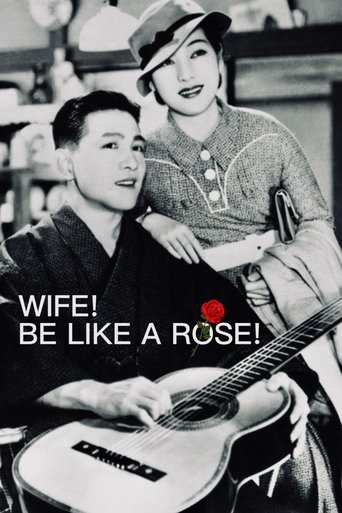
Heihachirō Ōkawa worked on one surviving credit: Wife! Be Like a Rose! (1935). His known filmography consists of a single appearance in Mikio Naruse's 1935 film 'Wife! Be Like a Rose!' (Tsuma Yo Bara No Yoni), which is considered one of the earliest Japanese sound films and a significant work in the country's cinematic history. Ōkawa's brief appearance in this critically acclaimed film places him among the actors who participated in Japan's early sound cinema era. The film itself was notable for being one of the first Japanese talkies to gain international recognition, particularly in the United States where it was distributed in 1937. Unfortunately, detailed records about Ōkawa's broader career, training, or other potential film work remain scarce, suggesting he may have been either a character actor with limited appearances or someone who pursued acting only briefly. His contribution, while small, represents the collective effort of many actors who helped establish the foundation of Japanese sound cinema during this crucial transitional period.
The Craft
Milestones
- Appeared in 'Wife! Be Like a Rose!' (1935), one of Japan's earliest successful sound films
Best Known For
Iconic Roles
Must-See Films
Working Relationships
Worked Often With
Studios
Why They Matter
Impact on Culture
Heihachirō Ōkawa's contribution to cinema, while limited in scope, is part of the broader cultural significance of early Japanese sound films. 'Wife! Be Like a Rose!' represented a major milestone in Japanese cinema's transition to sound, and every actor involved, including Ōkawa, participated in this technological and artistic revolution. The film's success helped demonstrate that Japanese cinema could produce sophisticated sound films that could compete internationally, paving the way for the golden age of Japanese cinema in the 1950s. The collective work of actors like Ōkawa during this period helped establish the acting techniques and performance styles that would evolve in Japanese cinema for decades to come.
Lasting Legacy
Heihachirō Ōkawa's legacy is primarily preserved through his participation in a historically significant film that represents a turning point in Japanese cinema. While his individual contribution may seem minor, he is part of the generation of actors who bridged the gap between silent and sound cinema in Japan. The preservation of 'Wife! Be Like a Rose!' ensures that his work, however brief, remains accessible to film historians and enthusiasts studying the evolution of Japanese cinema. His appearance in this film connects him to the broader narrative of how Japanese cinema adapted to and mastered sound technology during the 1930s.
Who They Inspired
Due to the limited documentation of his career, it is difficult to trace specific influences that Heihachirō Ōkawa may have had on other actors or filmmakers. However, as part of the ensemble cast of a sound film, his work contributed to the development of acting techniques for Japanese talkies, which would influence subsequent generations of Japanese actors who had to adapt their performances for the microphone and camera simultaneously.
Off Screen
Very limited information is available about Heihachirō Ōkawa's personal life, which is not uncommon for supporting actors from early Japanese cinema whose records were not extensively documented.
Did You Know?
- 'Wife! Be Like a Rose!' was the first Japanese film to be released commercially in the United States
- The film's original Japanese title is 'Tsuma Yo Bara No Yoni'
- The studio P.C.L. That produced the film later became Toho, one of Japan's major film studios
- Director Mikio Naruse would later become one of Japan's most acclaimed filmmakers
- The film was praised for its naturalistic dialogue and sound recording, which was innovative for the time
- 1935 was a crucial year for Japanese cinema's transition to sound, with many studios producing their first talkies
- The film's international success helped demonstrate the commercial viability of Japanese films abroad
- Early sound actors like Ōkawa had to adapt their performance styles from the exaggerated gestures of silent film to more subtle vocal performances
Frequently Asked Questions
Who was Heihachirō Ōkawa?
Japanese with credits in this catalog.
What films is Heihachirō Ōkawa best known for?
Titles linked here include Wife! Be Like a Rose! (1935).
When was Heihachirō Ōkawa born and when did he die?
Specific birth and death dates for Heihachirō Ōkawa are not available in documented film history records, which is not uncommon for supporting actors from early Japanese cinema.
What awards did Heihachirō Ōkawa win?
There are no documented awards or nominations for Heihachirō Ōkawa, which was typical for many character actors during the early years of Japanese sound cinema.
What was Heihachirō Ōkawa's acting style?
While specific details about Ōkawa's acting style are not documented, actors in early Japanese sound films typically had to adapt from the exaggerated expressions of silent cinema to more nuanced performances suitable for sound recording.
Why is Heihachirō Ōkawa significant in film history?
Ōkawa is significant as a participant in Japan's transition to sound cinema, appearing in a groundbreaking film that helped establish Japanese talkies as artistically and commercially viable both domestically and internationally.