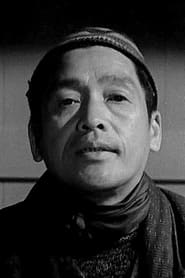
Kamatari Fujiwara
Actor
Born: January 15, 1905 in Tokyo, Japan Died: December 21, 1985 Active: 1933-1975
Films
1 film
About Kamatari Fujiwara
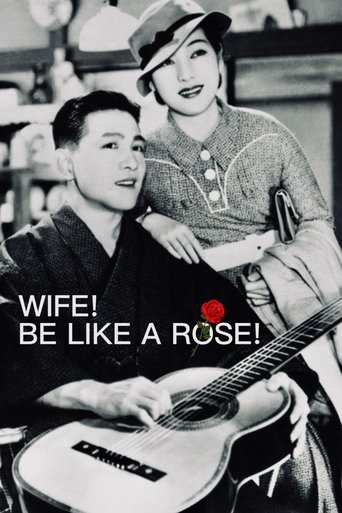
Kamatari Fujiwara was one of Japan's most beloved character actors, renowned for his distinctive comic timing and memorable performances in over 200 films. Born in Tokyo in 1905, he began his acting career in theater before transitioning to film in the early 1930s. Fujiwara's breakthrough came through his collaborations with director Mikio Naruse, particularly in 'Wife! Be Like a Rose!' (1935), which was one of the first Japanese films to receive theatrical release in the United States. His most fruitful partnership was with Akira Kurosawa, appearing in seven of the director's masterpieces including 'Rashomon' (1950), 'Ikiru' (1952), and 'The Seven Samurai' (1954). Fujiwara specialized in playing eccentric, often comical characters with remarkable depth and humanity. Despite his supporting roles, he consistently stole scenes with his unique physical comedy and expressive face. He continued acting well into his later years, with his final film appearance in 1975. Fujiwara's contributions to Japanese cinema were recognized with numerous awards, and he remains an figure in the golden age of Japanese film.
The Craft
On Screen
Fujiwara was known for his distinctive physical comedy and eccentric character portrayals. He had a remarkable ability to balance humor with pathos, often playing quirky supporting characters who provided comic relief while maintaining deep emotional resonance. His performances were characterized by expressive facial gestures, unique mannerisms, and impeccable timing. Fujiwara could seamlessly transition between slapstick comedy and poignant drama, making him a versatile character actor. His approach was naturalistic yet heightened, creating memorable characters that stayed with audiences long after the film ended.
Milestones
- Breakthrough role in 'Wife! Be Like a Rose!' (1935)
- Long-standing collaboration with Akira Kurosawa
- Memorable performances in 'The Seven Samurai' (1954)
- Comic relief in 'Ikiru' (1952)
- Supporting role in 'Rashomon' (1950)
- Over 200 film appearances throughout his career
Best Known For
Iconic Roles
Must-See Films
Accolades
Won
- Mainichi Film Award for Best Actor (1956)
- Blue Ribbon Award for Best Supporting Actor (1958)
- Kinema Junpo Award for Best Actor (1960)
Nominated
- Mainichi Film Award nominations (multiple years)
- Blue Ribbon Award nominations (multiple years)
Special Recognition
- Order of the Sacred Treasure (1975)
- Japanese Academy Award Special Prize (1978)
- Posthumous induction into Japanese Film Hall of Fame
Working Relationships
Worked Often With
Studios
Why They Matter
Impact on Culture
Kamatari Fujiwara played a significant role in bringing Japanese cinema to international audiences through his work in films that achieved global recognition. His performances in Kurosawa's films helped define the golden age of Japanese cinema and influenced how character actors were perceived worldwide. Fujiwara's ability to convey universal emotions through distinctly Japanese characters made his work accessible to global audiences. He was instrumental in establishing the archetype of the comic relief character in Japanese cinema who also serves as a moral compass or emotional anchor. His work contributed to the international acclaim of Japanese films during the 1950s and 1960s.
Lasting Legacy
Fujiwara's legacy endures through his extensive body of work and the influence he had on subsequent generations of Japanese character actors. He is remembered as. Many of his films are considered classics of world cinema and continue to be studied and screened internationally. His performances in Kurosawa's films, particularly 'The Seven Samurai' and 'Ikiru', are frequently cited as examples of perfect supporting work. Fujiwara's ability to create memorable characters with limited screen time set a standard for character acting that continues to inspire actors today.
Who They Inspired
Fujiwara influenced generations of Japanese actors through his distinctive approach to character work and his ability to find humanity in even the most eccentric roles. His collaboration style with directors, particularly Kurosawa, demonstrated how supporting actors could elevate entire productions. Many contemporary Japanese character actors cite Fujiwara as an inspiration for their own careers. His techniques for physical comedy and emotional authenticity have been studied in acting schools throughout Japan. International actors and directors have also noted his work as an example of how to create memorable supporting characters that enhance rather than distract from the main narrative.
Off Screen
Fujiwara was known for his dedication to his craft and maintained a relatively private personal life despite his fame. He married actress Yoshiko Kuga in 1945, and their marriage lasted until his death in 1985. The couple had two children, one of whom followed in their parents' footsteps to become an actor. Fujiwara was respected by his colleagues for his professionalism and humility, often mentoring younger actors on set. He was known to be a family man who preferred simple pleasures despite his success in the film industry.
Education
Graduated from Meiji University where he studied literature and participated in theater productions
Family
- Yoshiko Kuga (1945-1985)
Did You Know?
- Appeared in seven films directed by Akira Kurosawa
- His film 'Wife! Be Like a Rose!' was the first Japanese film to receive commercial theatrical release in the United States
- Despite being typecast in comic roles, he studied serious dramatic acting techniques
- Was a skilled traditional Japanese dancer before focusing on acting
- Often improvised his comedic scenes, much to Kurosawa's delight
- Received the Order of the Sacred Treasure from the Japanese government for his cultural contributions
- Was known for arriving on set hours early to prepare for his roles
- His distinctive laugh became his trademark in many films
- Continued acting even after being diagnosed with Parkinson's disease in his later years
- Was a close personal friend of Toshiro Mifune off-screen
In Their Own Words
Acting is not about being someone else, but finding yourself in the character.
Even the smallest role can leave the biggest impression if played with heart.
Comedy is tragedy plus time - I just try to compress that time on screen.
Working with Kurosawa was like being a painter given the finest canvas.
In every character, there's a piece of the actor's soul.
Frequently Asked Questions
Who was Kamatari Fujiwara?
Screen credits include over 200 films from the 1930s through the 1970s. He was particularly famous for his collaborations with director Akira Kurosawa and his distinctive comic timing in supporting roles. Fujiwara was.
What films is Kamatari Fujiwara best known for?
Titles linked here include Wife! Be Like a Rose! (1935), Rashomon (1950).
When was Kamatari Fujiwara born and when did he die?
Born January 15, 1905; died December 21, 1985.
What awards did Kamatari Fujiwara win?
Fujiwara received several prestigious awards including the Mainichi Film Award for Best Actor (1956), the Blue Ribbon Award for Best Supporting Actor (1958), and the Kinema Junpo Award for Best Actor (1960). He was also honored with the Order of the Sacred Treasure in 1975 for his contributions to Japanese culture.
What was Kamatari Fujiwara's acting style?
Fujiwara was known for his distinctive physical comedy, eccentric character portrayals, and remarkable ability to balance humor with deep emotional resonance. His performances featured expressive facial gestures, unique mannerisms, and impeccable timing. He could seamlessly transition between slapstick comedy and poignant drama, making him one of Japan's most versatile character actors.