Films
2 films
About Guilin Wang
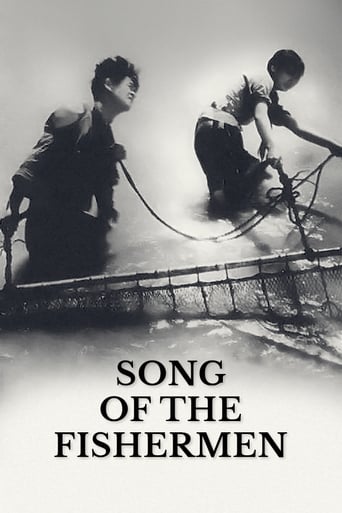
Actor in early Chinese cinema during the mid-1930s, appearing in two significant films of that era. His brief but notable career coincided with a pivotal period in Chinese film history when the industry was transitioning from silent films to sound productions. Wang appeared in 'Song of the Fishermen' (1934), one of the first Chinese films to gain international recognition, and 'Children of Troubled Times' (1935), a film that featured what would become China's national anthem. Despite his participation in these historically important works, detailed biographical information about Wang remains scarce, reflecting the limited documentation of many supporting actors from this period of Chinese cinema. His career appears to have been concentrated primarily in these two years, 1934-1935, during which he contributed to films that would become cornerstones of early Chinese cinematic heritage.
The Craft
Milestones
- Appeared in 'Song of the Fishermen' (1934)
- Appeared in 'Children of Troubled Times' (1935)
- Participated in early Chinese sound cinema
- Contributed to internationally recognized Chinese films
Best Known For
Must-See Films
Working Relationships
Worked Often With
Studios
Why They Matter
Impact on Culture
While Guilin Wang's individual contribution to cinema is difficult to assess due to limited documentation, his participation in 'Song of the Fishermen' and 'Children of Troubled Times' places him within the context of early Chinese cinema's golden age. 'Song of the Fishermen' was the first Chinese film to win an international award (Moscow International Film Festival, 1935), helping establish Chinese cinema on the global stage. 'Children of Troubled Times' featured 'March of the Volunteers,' which would later become China's national anthem, making the film culturally significant beyond its cinematic merits.
Lasting Legacy
Guilin Wang's legacy is primarily preserved through his association with two landmark films of early Chinese cinema. While his individual performances may not have been extensively documented or remembered, his contribution to these historically significant productions places him within the narrative of Chinese film history. The films he appeared in continue to be studied and celebrated as important cultural artifacts from China's cinematic heritage.
Who They Inspired
Due to the brevity of his documented career and the lack of detailed records about his specific roles or performances, it's difficult to assess Guilin Wang's direct influence on other actors or filmmakers. However, his participation in these films places him among the generation of actors who helped establish Chinese cinema during its formative years.
Off Screen
Very little is documented about Guilin Wang's personal life, which is common for many supporting actors from early Chinese cinema. The limited historical records focus primarily on the main stars and directors of these productions, leaving details about supporting cast members largely unrecorded.
Did You Know?
- Appeared in 'Song of the Fishermen,' the first Chinese film to win an international award
- Participated in 'Children of Troubled Times,' which featured China's future national anthem
- His active years covered only the years 1934-1935 according to available records
- Both films he appeared in were produced during a politically turbulent period in Chinese history
- The films were made during the transition from silent to sound cinema in China
- Limited documentation exists about many supporting actors from this era of Chinese cinema
- Both films were produced by major Chinese studios of the period
Frequently Asked Questions
Who was Guilin Wang?
Screen credits include two significant early Chinese films: 'Song of the Fishermen' (1934) and 'Children of Troubled Times' (1935). His documented active years covered only these two years, and detailed biographical information about him remains limited.
What films is Guilin Wang best known for?
Titles linked here include Song of the Fishermen (1934), Children of Troubled Times (1935).
When was Guilin Wang born and when did he die?
Specific birth and death dates for Guilin Wang are not documented in available historical records, which is common for many supporting actors from early Chinese cinema.
What awards did Guilin Wang win?
There are no documented awards specifically for Guilin Wang. However, 'Song of the Fishermen,' one of the films he appeared in, won an award at the Moscow International Film Festival in 1935.
What was Guilin Wang's acting style?
Due to limited documentation of his performances and roles, specific details about Guilin Wang's acting style are not available in historical records.
What was the significance of the films Guilin Wang appeared in?
Both films are historically significant - 'Song of the Fishermen' was internationally acclaimed and helped establish Chinese cinema globally, while 'Children of Troubled Times' featured 'March of the Volunteers,' which became China's national anthem.