Beverly Crane
Actor
- Active
- 1930-1930
Films 1
About Beverly Crane
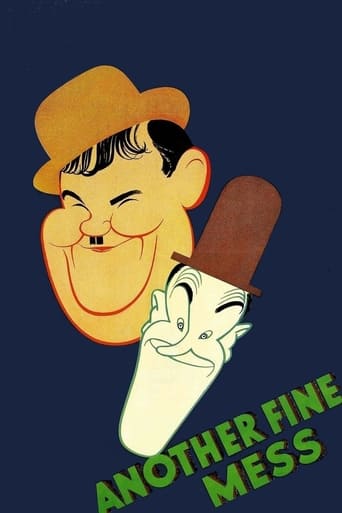
Beverly Crane appears to have been a very early-screen performer whose documented film career is limited to an uncredited appearance in Hal Roach's Laurel and Hardy short Another Fine Mess (1930). Because surviving reference sources for minor early-talkie performers are sparse, there is no reliable evidence of a substantial acting career, stage background, or later film work beyond this credit. The available record suggests that Crane was one of many supporting or background players employed around the Roach studio system during the transition from silent comedy to sound. Unlike the better-documented stars of the period, Crane does not appear to have left behind a robust paper trail of interviews, studio publicity, or later biographical accounts. As a result, the historical profile of Beverly Crane is best understood as that of a minor, largely uncredited participant in classic Hollywood production rather than a featured star. Her presence in Another Fine Mess nevertheless places her within one of the most celebrated comedy units of the early sound era, making her a small but genuine part of film history.
More about Beverly Crane
In film history
Beverly Crane's cultural impact is necessarily modest and indirect, but her name survives as part of the cast record for Another Fine Mess, one of the most durable Laurel and Hardy films. Performers like Crane helped populate the dense comic worlds created by studio-era shorts, providing the realism, texture, and reaction shots that supported the stars' physical comedy. Even when individual performers were not heavily publicized, their labor contributed to the assembly-line artistry of classic Hollywood comedy, where every face in a scene could matter to timing and audience perception. Her surviving credit also illustrates how many contributors to early cinema remain only faintly documented, reminding film historians that the studio system depended on a wide range of workers whose names were not always foregrounded in publicity. In that sense, her presence is culturally significant as evidence of the collaborative and often anonymous nature of early talkie filmmaking.
Later reputation
Beverly Crane's legacy lies primarily in archival significance rather than star-era fame. She is part of the historical fabric of early sound comedy, and her surviving credit helps preserve the production history of Another Fine Mess and the Hal Roach pipeline that shaped American screen comedy. For researchers and database curators, names like Crane matter because they document the breadth of participation in classic films, especially among supporting and uncredited performers. Her legacy is therefore one of representation within the record: she stands for the many minor players whose contributions were real even when their careers were short or poorly documented. In film history, such names help complete the picture of how studio-era movies were made.
Influence
There is no evidence that Beverly Crane exerted a documented direct influence on later performers or filmmakers. Any influence she had would have been indirect, through participation in a famous comedy production that continues to be studied and enjoyed. Her work, like that of many small-role actors of the era, contributed to the ensemble environment that helped define studio-era screen comedy. Because her career is so sparsely documented, her influence is best understood as archival and contextual rather than personal or stylistic.
Off screen
No reliable public biographical information has been located regarding Beverly Crane's personal life, including family background, marriages, or residence. She does not appear to have been a public-facing celebrity with studio-promoted personal details in the surviving record. Any claim beyond the single known film credit would be speculative, so her private life remains undocumented in the available sources.
Credits
- Appeared in the Laurel and Hardy comedy short Another Fine Mess (1930)
- Worked during the formative early-sound period of Hollywood comedy production
- Associated with Hal Roach's production environment through her film credit
- Represents one of the many minor screen performers whose work supported classic studio-era filmmaking
Roles
- Uncredited appearance in Another Fine Mess (1930)
Films
- Another Fine Mess (1930)
Collaborators
- Stan Laurel
- Oliver Hardy
- Hal Roach production personnel
Studios
- Hal Roach Studios
Notes
- Beverly Crane is credited with appearing in only one known film: Another Fine Mess (1930).
- Her screen activity, based on surviving filmography records, appears to have been limited to a single year.
- Another Fine Mess is one of Laurel and Hardy's best-known early sound shorts.
- She is an example of how many classic Hollywood performers had extremely limited surviving documentation.
- Her career illustrates the large number of minor performers employed by Hal Roach Studios.
- Because she was likely uncredited or only lightly credited, her biographical details are difficult to verify.
Questions
Who was Beverly Crane?
Beverly Crane was a minor classic-era screen performer known from the 1930 Laurel and Hardy short Another Fine Mess. The surviving record does not show a broader or better-documented acting career, so she is best understood as a small but real part of early Hollywood's supporting cast.
What films is Beverly Crane best known for?
Beverly Crane is best known for Another Fine Mess (1930), the Laurel and Hardy comedy short. No other confirmed film credits are readily documented in the surviving record.
When was Beverly Crane born and when did she die?
Her birth and death dates are not currently documented in reliable surviving sources. The available historical record is too sparse to confirm those details without speculation.
What awards did Beverly Crane win?
No awards or formal honors are known for Beverly Crane from the surviving record. She appears to have been a very minor performer rather than a widely recognized star with a documented awards history.
What was Beverly Crane's acting style?
There is not enough surviving evidence to describe a distinctive acting style with confidence. Based on her limited documented screen presence, she was likely one of the many supporting performers who helped create the ensemble texture of studio-era comedy.
What is Beverly Crane's legacy in film history?
Her legacy is primarily archival: she is one of the many lesser-known names connected to classic Hollywood productions whose contributions are preserved in cast records. She remains part of the historical record of early sound comedy and the Hal Roach studio system.