1930 · 29 minutes

Also available on: Wikimedia
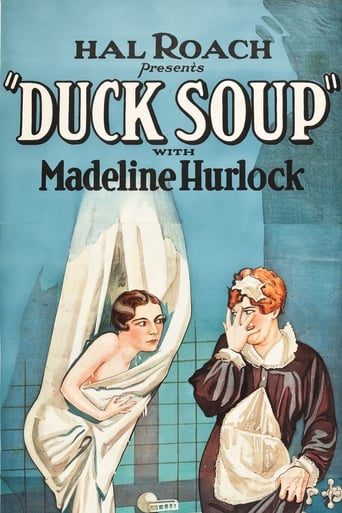
Another Fine Mess

Another Fine Mess

1930 29 minutes United States

"There's trouble in every room when Stan and Ollie move in."

Deception and mistaken identityClass aspiration and social performanceFriendship under pressureThe collapse of plans through incompetenceTemporary refuge turning into disaster

Plot

Two down-on-their-luck tramps, Stan and Ollie, discover an apparently vacant mansion and decide to take advantage of the empty house as a temporary hideout. Their improvised comfort is short-lived when prospective renters arrive, forcing the pair into an increasingly absurd deception in which they pretend to be the home’s servants and then its actual residents. The situation spirals through a series of mistaken identities, evasive schemes, and physical-comedy complications as the men try to keep the property and their lies intact. The film builds to the familiar Laurel and Hardy pattern of mounting chaos, with the duo’s attempts at sophistication collapsing under the weight of their own clumsiness and panic.

About the Production

Release Date 1930-06-21
Production Hal Roach Studios, Metro-Goldwyn-Mayer
Filmed In Hal Roach Studios, Culver City, California, USA

Another Fine Mess was produced during Laurel and Hardy’s peak period at Hal Roach Studios, when their two-reel comedies were being carefully structured around escalating misunderstandings and set-piece physical gags. The film is notable for reworking a familiar comic premise of trespass and impersonation into a compact but highly controlled farce, with much of the humor derived from the duo’s facial reactions, pauses, and escalating desperation. As with many Laurel and Hardy shorts of the era, the production relied heavily on studio-built interiors, allowing for precise timing of door gags, hiding places, and visual reversals. The title itself became one of the most famous expressions associated with the team, entering popular usage as a catchphrase for comic disaster.

Historical Background

Another Fine Mess was released in 1930, at a moment when Hollywood was in the midst of its rapid transition from silent pictures to synchronized sound. Comedy in particular was being reshaped by the new medium, and Laurel and Hardy were among the performers who managed to preserve the visual precision of silent slapstick while adapting to spoken dialogue and sound effects. The film emerged during the early Depression era, when audiences often sought relief in comic stories about ordinary people struggling against bad luck, authority, and social pretension. Its premise of vagrants manipulating a genteel mansion also reflects a recurring preoccupation of early sound comedy: class performance, domestic spaces, and the absurd fragility of social order. The film matters historically because it demonstrates how a great comic partnership could thrive in the new sound environment without abandoning the timing and physical expressiveness that made it famous.

Why This Film Matters

The film is significant as one of the enduring Laurel and Hardy titles that helped define the grammar of screen buddy comedy. Its pattern of two mismatched partners, escalating deception, and physical catastrophe became a template that later comedians and filmmakers repeatedly borrowed in updated form. The title itself has had unusual cultural afterlife, becoming a widely recognized phrase for any situation that has gone badly wrong in a comic or exasperating way. For fans of classic cinema, the film represents a high point in the duo’s studio-crafted two-reel work, showing how short-form comedy could achieve lasting popularity through meticulous timing and character-based repetition. It also remains valuable as an example of early sound comedy that is not merely talk-driven but strongly rooted in visual storytelling.

Making Of

Another Fine Mess was created at Hal Roach Studios during a period when Laurel and Hardy’s screen persona had become tightly standardized: Stan as the childlike schemer who reacts late, and Ollie as the pompous partner who believes he can control circumstances until they inevitably unravel. James Parrott, who specialized in directing their shorts, would have worked closely with the duo and the Roach story team to shape the film around timing, entrances, exits, and repeated reversals rather than elaborate plot complexity. The mansion setting was ideal for the pair’s comedy because it allowed the filmmakers to stage concealment gags, mistaken authority, and the visual escalation of clutter, disruption, and panic in a single controlled environment. As with many Roach comedies, the production likely depended on precise blocking and rehearsal to make the physical humor appear effortless, especially in scenes requiring multiple characters to move through doors and rooms in carefully coordinated rhythms. The film’s enduring fame owes a great deal to the combination of tightly engineered slapstick and the duo’s distinctive performance style, which made even the simplest premise feel rich with comic possibility.

Visual Style

The film’s visual style is typical of Hal Roach-era short comedy: clean, functional camera placement, strong emphasis on spatial clarity, and staging that allows the audience to track doors, hiding spaces, and character movement with precision. Rather than relying on flashy camera movement, the cinematography serves the comedy by keeping the action legible and letting the performers’ timing dominate each gag. The mansion interior provides a controlled environment for symmetrical framing, repeated entrances and exits, and the gradual accumulation of disorder within otherwise tidy rooms. The visual humor often comes from contrast between the polished domestic setting and the increasingly shabby behavior of the characters.

Innovations

The film is not known for technical innovation in the sense of special effects or groundbreaking cinematography, but it is a strong example of early sound-comedy craftsmanship. Its achievement lies in the seamless integration of spoken dialogue with visual slapstick, preserving the comic rhythm of silent-era farce while exploiting the new possibilities of sound. The carefully controlled blocking, room-to-room staging, and use of the mansion set demonstrate sophisticated spatial comedy. The title line and related verbal rhythms also show how Laurel and Hardy’s sound films translated their personalities into quotable dialogue without abandoning physical performance.

Music

As an early sound comedy, the film uses synchronized dialogue, incidental sound effects, and musical accompaniment associated with the period’s studio release practice rather than a modern continuous musical score. The sound design supports the gags by emphasizing footsteps, doors, startled reactions, and other effects that sharpen the timing of the physical comedy. Like many Laurel and Hardy shorts from the early 1930s, the soundtrack is less about thematic music than about rhythmic support for performance beats and comic punctuation. The film does not have a widely documented standalone composed score in the modern sense.

Famous Quotes

Another fine mess you've gotten me into.
Well, here's another fine mess.

Memorable Scenes

  • Stan and Ollie discover the empty mansion and immediately treat it as a safe refuge, only for the calm to be shattered by the arrival of prospective renters.
  • The pair’s attempts to impersonate the people who supposedly live in the house create a chain of increasingly implausible explanations and frantic improvisations.
  • Repeated hiding, reappearing, and shifting status within the mansion turns the house itself into a comic machine that traps the characters in their own lies.

Did You Know?

  • The film is one of the best-known Laurel and Hardy shorts and is often cited as a model of the team’s classic domestic-farce formula.
  • Its title became so strongly associated with the duo that 'another fine mess' later entered common English usage as a shorthand phrase for a comically bad situation.
  • The film was directed by James Parrott, who directed many of Laurel and Hardy’s most celebrated silent and early sound shorts.
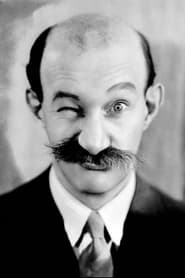
  • Harry Bernard appears in the cast and is a familiar supporting face from numerous Laurel and Hardy films, often playing policemen, clerks, or other authority figures caught in the duo’s chaos.
  • The film is sometimes discussed alongside other Laurel and Hardy apartment or house-disguise comedies because it refines the idea of the pair pretending to belong somewhere they clearly do not.
  • It was made in the early sound era, when comedy shorts were adjusting to dialogue while still depending on silent-era visual timing and pantomime.
  • The film is part of the long-running Laurel and Hardy canon produced at Hal Roach Studios, which helped define the structure of the American two-reel comedy.
  • The movie’s central joke depends on the audience knowing from the start that Stan and Ollie are incompetent interlopers, while the visiting characters slowly realize something is wrong.
  • Like many Laurel and Hardy films, the comedy comes from characters behaving as if a simple lie can be maintained despite overwhelming evidence to the contrary.
  • The title has been reused and echoed in later media because it is one of the pair’s most recognizable and quotable phrases.

What Critics Said

At the time of release, Laurel and Hardy shorts were generally well received by audiences and critics who appreciated their reliable construction, polished studio production, and distinctive chemistry. Another Fine Mess was especially admired for the duo’s ability to turn a simple hiding-and-impersonation premise into a sequence of escalating comic setbacks. Later criticism has tended to regard the film as one of their strongest talkie-era shorts, praising its economy, rhythm, and the way it balances verbal comedy with physical business. Modern historians often place it among the essential Laurel and Hardy films because it exemplifies the duo’s mastery of repetition, reversal, and the slow collapse of social pretension.

What Audiences Thought

Contemporary audiences responded strongly to Laurel and Hardy’s comic image, and this short fit squarely within the style that had already made them beloved to moviegoers. The plot’s mix of recognizable domestic aspiration and ridiculous incompetence made it broadly accessible, since viewers could immediately grasp the stakes and enjoy the inevitable failure of the scheme. The film’s title and central premise helped cement its popularity, and it remained one of the team’s better-remembered shorts in later television and repertory screenings. Over time it has remained a favorite among classic-comedy audiences because it condenses the Laurel and Hardy formula into a brisk, easily rewatchable package.

Film Connections

Influenced By

  • Silent-era slapstick comedy
  • Stage farce about mistaken identity and hidden identities
  • Earlier Laurel and Hardy shorts built around domestic disruption
  • Hal Roach Studio comedy formulas

This Film Influenced

  • Later buddy comedies built around mismatched partners and escalating misunderstandings
  • Studio farces in which imposture collapses under pressure
  • Television and film comedies that use the phrase 'another fine mess' as a comic reference

Film Restoration

The film is preserved and survives as a standard Laurel and Hardy title in film archives and home-media editions; it is not considered lost. It has also circulated widely through television, repertory exhibition, and later restoration efforts associated with classic-comedy preservation.

Themes & Topics