Betty Mae Crane
Actor
- Active
- 1930-1930
Films 1
About Betty Mae Crane
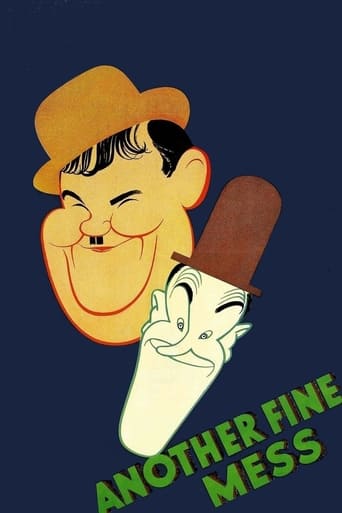
Betty Mae Crane is a very obscure early sound-era screen performer whose credited film work appears to be limited to a single known appearance in the Laurel and Hardy short Another Fine Mess (1930). Available historical records on classic cinema reference her as an actor associated with the production, but do not preserve enough biographical detail to reconstruct a full life story with confidence. She appears to have been part of the vast pool of small-role and extra performers who briefly appeared in early Hollywood productions, especially studio shorts and supporting ensemble scenes. Because surviving documentation is extremely sparse, it is not currently possible to verify her birth date, birthplace, family background, training, or later life with certainty. Her presence in Another Fine Mess places her within one of the most beloved comic films of the early talkie period, even though her individual screen identity was not elaborately documented in contemporary publicity. In film-historical terms, Betty Mae Crane is representative of the many little-known performers whose names survive in cast lists but whose biographies were not widely recorded by the studio system. Further archival research in studio records, trade papers, and census or vital records would be required to establish a more complete biography.
More about Betty Mae Crane
On screen
No reliable descriptive commentary on Betty Mae Crane's individual acting technique survives in the readily accessible historical record. Given the nature of her known screen work, her performance style was likely functional and supporting rather than star-driven, fitting the brisk, gag-oriented ensemble rhythm of early Laurel and Hardy shorts. Any more specific claims about her approach, screen persona, or training would be speculative.
In film history
Betty Mae Crane's cultural impact is indirect rather than widely documented through star status or a long filmography. Her surviving screen credit connects her to Another Fine Mess, a foundational Laurel and Hardy comedy that remains a major touchstone of early sound-era slapstick. Performers like Crane are historically important because they helped populate the worlds of studio shorts and feature comedies that defined the pace, texture, and ensemble realism of classic Hollywood filmmaking. Even when individual names were not promoted heavily, these actors contributed to the lived-in, bustling quality of the films that audiences remember today.
Later reputation
Her legacy lies primarily in archival film history rather than public celebrity. Betty Mae Crane is one of many early cinema figures whose names survive in cast records and film databases, reminding researchers that classic Hollywood was sustained by a much larger community than its marquee stars alone. Her association with Another Fine Mess ensures that her name remains part of the record of one of Laurel and Hardy's best-known films, and therefore part of the broader history of early comic cinema. In that sense, her legacy is a documentary one: she represents the countless supporting players whose work helped shape the era even if their personal stories were not fully preserved.
Influence
There is no evidence that Betty Mae Crane directly influenced later actors or filmmakers in any documented or widely acknowledged way. Her significance is more as a participant in the studio-era system than as an individually influential figure. However, by appearing in a classic Laurel and Hardy film, she became part of the performance ecosystem that established timing, reaction, and ensemble credibility in screen comedy. The broader influence is therefore cumulative and historical rather than personal and stylistic.
Off screen
No reliable public biographical information about Betty Mae Crane's personal life has been located in standard classic-cinema reference sources. Her marriages, family background, education, and later-life activities are not documented in the accessible film history record currently available. She should therefore be treated as a largely undocumented early Hollywood performer rather than a figure with a publicly recorded personal biography.
Credits
- Credited or listed for an appearance in the Laurel and Hardy comedy Another Fine Mess (1930)
- Participation in an early sound-era Hal Roach production associated with one of the most enduring comic teams in film history
- Representation of the many lesser-documented supporting performers who contributed to studio-era short subjects
- Presence in surviving film references despite the scarcity of surviving personal biographical records
Roles
- Supporting or uncredited appearance in Another Fine Mess (1930)
Films
- Another Fine Mess (1930)
Collaborators
- Stan Laurel
- Oliver Hardy
- Hal Roach production unit
Studios
- Hal Roach Studios
Notes
- Betty Mae Crane is best known today largely because her name survives in connection with Another Fine Mess (1930).
- She appears to have had an extremely limited screen career, at least in surviving filmography records.
- Her biographical details are not well preserved in major classic-cinema reference sources, making her a difficult figure to document.
- Her known film places her in the early sound period, when Hollywood was transitioning from silent films to talkies.
- Another Fine Mess is one of Laurel and Hardy's most enduring and frequently discussed shorts, so even a brief association with it keeps a performer visible to film historians.
- She is an example of the many lesser-known studio-era actors whose names remain in cast lists even when their lives are otherwise obscure.
- Because there is so little verified information, she is often of interest primarily to archivists, database compilers, and researchers of forgotten screen performers.
Questions
Who was Betty Mae Crane?
Betty Mae Crane was an obscure early Hollywood actor best known for her association with Another Fine Mess (1930). Surviving records do not preserve much personal biography, suggesting she was likely one of the many lesser-documented supporting performers in the studio system.
What films is Betty Mae Crane best known for?
She is primarily linked to Another Fine Mess (1930), the Laurel and Hardy comedy short. No other definitively verified film credits are currently established in the accessible classic-cinema record.
When was Betty Mae Crane born and when did she die?
At present, her birth and death dates are not reliably documented in the available historical sources. Her life details appear to have been largely lost to the standard reference record.
What awards did Betty Mae Crane win?
No awards or nominations are currently documented for Betty Mae Crane in the accessible record. Her historical importance is tied more to film participation than to a formally recognized awards career.
What was Betty Mae Crane's acting style?
There is no surviving critical description of her individual acting style. Based on her known appearance in a Laurel and Hardy short, her work was likely supportive and ensemble-oriented, serving the comic rhythm of the production rather than functioning as a star performance.
What is Betty Mae Crane's legacy in film history?
Her legacy is that of an undocumented but still traceable participant in classic Hollywood. She is remembered chiefly because her name appears in connection with a significant Laurel and Hardy film, making her part of the larger historical fabric of early sound comedy.