
Charles K. Gerrard
Actor
- Active
- 1925-1930
Films 4
About Charles K. Gerrard
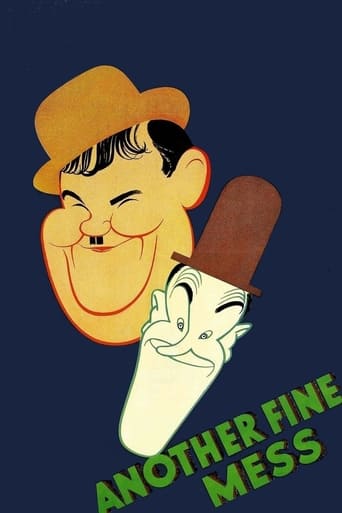
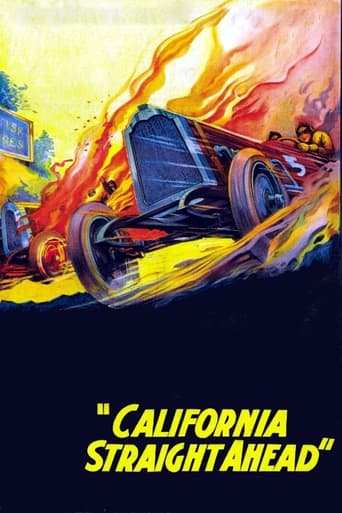
Charles K. Gerrard was a British-born actor who worked in Hollywood during the late silent era and the earliest years of sound film. He is best remembered today as a reliable character player rather than a leading man, appearing in a relatively small number of surviving screen credits from the mid-1920s through 1930. His filmography places him in the industry at a moment when studio production was rapidly shifting from silent storytelling to synchronized sound, and his performances reflect the kinds of supporting roles that helped anchor many studio comedies and dramas. Gerrard is credited in films such as California Straight Ahead (1925) and Another Fine Mess (1930), the latter connecting him to the Laurel and Hardy comedy cycle that remains widely seen today. Because he worked mostly in supporting parts, detailed biographical documentation about his personal life is limited, and much of what is known comes from film credits and archival listings rather than extensive contemporary publicity. Even so, his credits show him as part of the large international community of actors who contributed to Hollywood's silent and early sound periods. He stands as a representative example of the many skilled but now-obscure performers whose work helped shape classic cinema's texture and continuity.
More about Charles K. Gerrard
On screen
Specific descriptions of Charles K. Gerrard's acting technique are not well documented in surviving sources, but his screen work suggests the practical, scene-supporting style common to seasoned character actors of the silent and early sound eras. Performers in this category were typically valued for clarity, timing, and adaptability rather than star-centered flamboyance. In comedy and ensemble material, such actors often relied on precise reactions, clean physical business, and economical facial expression to serve the rhythm of the scene. Gerrard's documented appearances suggest an actor comfortable in small but useful roles that helped establish tone and momentum.
In film history
Charles K. Gerrard's cultural impact lies less in celebrity than in representation: he is part of the vast supporting-cast tradition that made classic Hollywood function as a fully populated screen world. Actors like Gerrard contributed to the believability and texture of films by filling out scenes with credible, often unheralded performances. His presence in Another Fine Mess connects him to one of the most durable comedy partnerships in film history, ensuring that even a brief role places him within a widely remembered cultural artifact. For historians, figures like Gerrard are valuable because they illustrate the international and collaborative nature of early Hollywood, where many performers from Britain and elsewhere found work in American studios. Though not a marquee name, he remains part of the deep ensemble talent pool that helped establish the rhythms and standards of classical screen acting.
Later reputation
Gerrard's lasting legacy is archival rather than star-based: he survives in filmographies, cast lists, and the historical memory attached to the films in which he appeared. His career is emblematic of many silent-era and early sound performers whose work was essential but whose personal histories were not extensively publicized. For modern viewers and researchers, his name is a reminder that classic cinema was built not only by stars and auteurs but also by numerous supporting players whose roles helped films hold together dramatically and comedically. Because he appears in titles still studied and screened today, his contribution remains preserved through the continuing life of those films. In that sense, his legacy is inseparable from the endurance of the classic cinema system itself.
Influence
There is no strong evidence that Charles K. Gerrard directly influenced later generations in the way major stars or directors did, but his career reflects the professional standard expected of supporting actors in early Hollywood. His work exemplifies the disciplined, adaptable style that later character actors continued to use in studio-era filmmaking. By participating in both silent and early sound productions, he belongs to the generation that bridged two fundamentally different performance systems, helping normalize the transition for audiences. That kind of professionalism influenced the broader craft culture of screen acting even when individual names were not widely celebrated.
Off screen
Very little reliably documented information survives about Charles K. Gerrard's personal life, family background, or private relationships. Available classic-film references focus primarily on his screen credits rather than biographical detail, which is common for supporting actors of the silent era. No widely verified public record of marriages, children, or education is readily associated with him in standard film-history sources. As a result, his life outside the studio system remains largely undocumented in accessible archival material.
Credits
- Appeared in California Straight Ahead (1925) during the late silent era
- Appeared in Another Fine Mess (1930), linking him to the classic Laurel and Hardy comedy canon
- Worked during the transitional period from silent cinema to early synchronized sound
- Built a screen career as a supporting character actor in studio-era productions
- Remains listed in film-history sources and archival filmographies as a credited classic-era performer
Roles
- Supporting player in California Straight Ahead (1925)
- Supporting player in Another Fine Mess (1930)
Films
- California Straight Ahead (1925)
- Another Fine Mess (1930)
Collaborators
- Stan Laurel
- Oliver Hardy
Notes
- He is a British actor whose known Hollywood work falls in the late silent and early sound periods.
- His surviving credited film work spans only a few years, making him a relatively elusive figure for biographers.
- One of his better-known surviving credits is Another Fine Mess (1930), a Laurel and Hardy comedy that remains popular with classic-film audiences.
- His career illustrates how many classic-era actors worked primarily as supporting players rather than stars.
- Because he is not heavily documented in contemporary publicity materials, much of his life story remains uncertain.
- His screen appearances place him at a major technological turning point in film history: the move from silent pictures to talkies.
- He is an example of the many international actors who contributed to Hollywood during its formative decades.
Questions
Who was Charles K. Gerrard?
Charles K. Gerrard was a British actor who appeared in Hollywood films during the late silent era and the beginning of the sound era. He is best remembered as a supporting player in classic cinema rather than as a major star.
What films is Charles K. Gerrard best known for?
He is known for appearances in California Straight Ahead (1925) and Another Fine Mess (1930). His latter credit places him in the Laurel and Hardy comedy tradition.
When was Charles K. Gerrard born and when did he die?
His birth and death dates are not reliably documented in the readily available classic-film reference sources used here. Likewise, his exact birth and death places are not clearly established in accessible public film records.
What awards did Charles K. Gerrard win?
No major awards or formal honors are currently documented for Charles K. Gerrard in the accessible historical record. He appears to have been a working character actor whose recognition came through credited screen roles rather than awards.
What was Charles K. Gerrard's acting style?
His style can be inferred as that of a dependable supporting actor from the silent and early sound eras: economical, scene-aware, and adaptable. Performers like Gerrard were expected to provide clear expression, reliable timing, and strong ensemble support.
What is Charles K. Gerrard's legacy in film history?
His legacy lies in his contribution to classic Hollywood's supporting-cast tradition and in his presence in films still remembered today. He represents the many capable actors whose work helped sustain the studio system even when their names were not widely publicized.