Films
1 film
About Nina Kosljaninowa
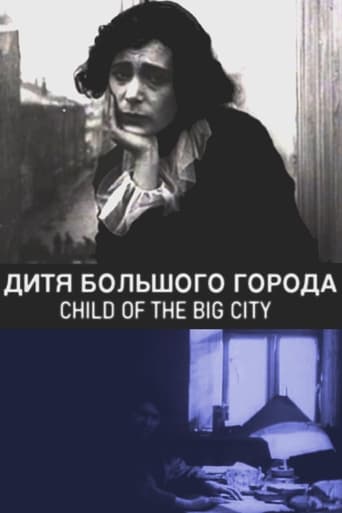
Nina Kosljaninowa is credited on a single production — Child of the Big City (1914). Directed by the influential Yevgeni Bauer. This film was produced by the Khanzhonkov film company, one of Russia's earliest and most important film studios. Her career appears to have been extremely brief, spanning only the year 1914, which was not uncommon for actors in the very early days of Russian cinema when the industry was still developing. The fact that she appeared in a Bauer film suggests she was part of the emerging professional film community in Moscow during this period. Unfortunately, like many actors from this era of Russian film history, detailed records about her life and career are scarce, and it's possible she appeared in other lost films from this period. Her contribution represents the early foundation of Russian cinematic acting before the revolutionary changes that would transform the industry.
The Craft
Milestones
- Appeared in 'Child of the Big City' (1914), directed by Yevgeni Bauer
- Participated in early Russian cinema during its formative years
- Worked with Khanzhonkov film company
Best Known For
Iconic Roles
Must-See Films
Working Relationships
Worked Often With
Studios
Why They Matter
Impact on Culture
Nina Kosljaninowa's contribution to cinema, while minimal in scope, represents the foundational period of Russian film history. Her appearance in 'Child of the Big City' places her among the actors who helped establish the Russian film industry during its earliest years. The film itself, directed by Yevgeni Bauer, is considered significant in the development of Russian cinematic art, and all participants in such early productions contributed to the evolution of film as an art form in Russia. Though her individual impact may be difficult to trace, she was part of the generation that laid the groundwork for the golden age of Russian cinema that would follow.
Lasting Legacy
Nina Kosljaninowa's legacy is primarily preserved through her participation in one of the earliest surviving Russian feature films. While she did not achieve lasting fame or recognition, her name appears in film historical records as part of the cast of 'Child of the Big City,' ensuring her place in the annals of early Russian cinema. Her brief career exemplifies the transient nature of early film acting, where many performers appeared in only a handful of films before disappearing from historical records. She represents the countless anonymous contributors to cinema's birth who helped establish the medium as both art and entertainment.
Who They Inspired
Given the brevity of her known career and the obscurity of her work beyond one film, Nina Kosljaninowa's direct influence on subsequent actors or filmmakers cannot be documented. However, like all early film performers, she contributed to the development of screen acting techniques during a period when the craft was still being defined. The film she appeared in was directed by Yevgeni Bauer, who was influential in developing cinematic language, and any actor working with him would have been exposed to innovative approaches to film performance and production.
Off Screen
Very little is known about Nina Kosljaninowa's personal life, which is typical for many actors from the very early Russian silent era. Detailed biographical information about actors from this period is often scarce due to the lack of comprehensive record-keeping and the historical disruptions that followed, including the Russian Revolution and subsequent political changes.
Did You Know?
- Appeared in only one known film during her entire career
- Worked during the pre-revolutionary period of Russian cinema
- Her film was directed by Yevgeni Bauer, one of early Russia's most important directors
- The film she appeared in was produced by Alexander Khanzhonkov's company, Russia's first major film studio
- 1914 was a significant year for Russian cinema, with the industry beginning to mature and produce more sophisticated films
- Many Russian films from this period have been lost, making her complete filmography unknown
- Her name appears in Russian Cyrillic as Нина Кослянинова in some historical records
- The film she appeared in survives today and is considered an important example of early Russian cinematic art
Frequently Asked Questions
Who was Nina Kosljaninowa?
Early Russian silent film actress active in 1914, known primarily for her appearance in the film 'Child of the Big City' directed by Yevgeni Bauer. She was part of the generation of Russian film actors during the industry's formative years.
What films is Nina Kosljaninowa best known for?
Titles linked here include Child of the Big City (1914).
When was Nina Kosljaninowa born and when did she die?
Unfortunately, specific birth and death dates for Nina Kosljaninowa are not available in historical records, which is common for many actors from the very early Russian silent era whose biographical information has been lost to time.
What awards did Nina Kosljaninowa win?
There are no records of Nina Kosljaninowa receiving any awards or honors, which is typical for actors from the very early period of Russian cinema when formal award systems for film achievements had not yet been established.
What was Nina Kosljaninowa's acting style?
Due to the limited documentation of her work and the loss of many films from this period, specific details about Nina Kosljaninowa's acting style are not available. However, actors working with director Yevgeni Bauer were likely exposed to his innovative approaches to cinematic storytelling.