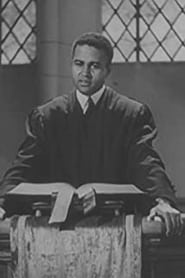
Carlton Moss
Actor
Born: February 14, 1909 in Newark, New Jersey, USA Died: August 10, 1997 Active: 1930s-1970s
Films
1 film
About Carlton Moss
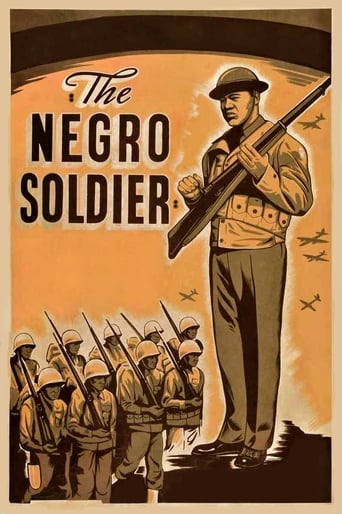
Made significant contributions to both Hollywood and independent Black cinema. Born in 1909, he began his career as a journalist and playwright before transitioning to film during the 1930s. His most notable achievement was writing and co-directing the government documentary 'The Negro Soldier' (1944), which portrayed African Americans' contributions to American military history and was instrumental in boosting recruitment and morale during WWII. Moss also appeared in the film as a narrator and actor, delivering powerful performances that challenged racial stereotypes. After his work on the documentary, he continued to create films that presented authentic representations of African American life, though he faced significant barriers in the segregated Hollywood system. Throughout his career, Moss advocated for better representation of Black Americans in cinema and mentored younger filmmakers. His work laid important groundwork for future generations of African American filmmakers and helped document the Black experience in America during a critical period of social change.
The Craft
On Screen
Naturalistic and dignified, Moss brought gravitas and authenticity to his performances, particularly in documentary and educational films. His narration style was clear, authoritative, and designed to educate while inspiring audiences. As an actor, he avoided the caricatures and stereotypes common in Hollywood's portrayal of African Americans, instead presenting characters with depth, intelligence, and humanity.
Milestones
- Wrote and co-directed 'The Negro Soldier' (1944)
- Appeared as actor and narrator in 'The Negro Soldier'
- Created independent films about African American life
- Advocated for authentic Black representation in cinema
- Mentored young African American filmmakers
- Worked with the Office of War Information during WWII
- Documented African American military contributions
- Challenged Hollywood's racial stereotypes
Best Known For
Iconic Roles
Must-See Films
Accolades
Won
- Special Recognition from the U.S. Army for 'The Negro Soldier'
- NAACP Special Award for contributions to African American cinema
Nominated
- Documentary Academy Award consideration for 'The Negro Soldier'
Special Recognition
- Recognized by the Library of Congress as culturally significant
- Honored by the Black Filmmakers Hall of Fame
- Cited in historical studies of African American cinema
Working Relationships
Worked Often With
Studios
Why They Matter
Impact on Culture
Carlton Moss's work had profound cultural impact, particularly through 'The Negro Soldier,' which was shown to millions of Americans and helped change perceptions of African Americans' role in society. The film was credited with significantly increasing African American military enlistment and was praised by both Black and white audiences for its dignified portrayal of Black soldiers. Moss's independent filmmaking efforts provided alternative narratives to Hollywood's stereotypical representations, creating a more authentic visual record of African American life. His work influenced government filmmaking practices and demonstrated the commercial and social value of positive Black representation in media.
Lasting Legacy
Moss's legacy lies in his efforts to create authentic African American cinema and his role in documenting Black contributions to American history. 'The Negro Soldier' remains a landmark film in American cinema history, preserved in the National Film Registry for its cultural significance. His advocacy for better representation helped pave the way for future generations of Black filmmakers and actors. Moss is remembered as a trailblazer who used film as a tool for education, social change, and racial pride, leaving an indelible mark on both African American cinema and American documentary filmmaking.
Who They Inspired
Moss influenced subsequent generations of African American filmmakers by demonstrating that authentic Black stories could find both artistic success and social impact. His work with government agencies showed the potential for documentary film to effect social change. Younger filmmakers, particularly those in the 1960s and 1970s Black cinema movement, cited Moss as an inspiration for creating independent Black-controlled media. His emphasis on education and cultural pride influenced educational filmmakers and those working in community media.
Off Screen
Carlton Moss was married and had children, though he maintained relative privacy regarding his family life. He was deeply committed to the advancement of African Americans in the arts and used his platform to advocate for civil rights and better representation. His personal philosophy emphasized the importance of education and cultural pride, themes that permeated his work. Moss was known as a mentor and supporter of younger African American artists and filmmakers throughout his career.
Education
Graduated from Howard University, studied journalism and literature
Family
- Information not publicly available
Did You Know?
- 'The Negro Soldier' was one of the first government films to positively portray African Americans
- The film was so successful that it was shown in commercial theaters as well as military bases
- Moss began his career as a sports writer for African American newspapers
- He worked with the Federal Theatre Project before moving into film
- Moss's script for 'The Negro Soldier' was praised by Eleanor Roosevelt
- He created educational films for various government agencies throughout his career
- Moss was one of the few African American filmmakers with access to major distribution during WWII
- His work helped establish the precedent for positive government portrayals of minorities
- Moss continued making films well into the 1970s, focusing on educational content
- He was a vocal advocate for more opportunities for African Americans behind the camera
In Their Own Words
We must tell our own stories, in our own way, with our own voices
The camera doesn't lie, but the filmmaker must choose what truth to show
Every film about Black people is a political act, whether intended or not
Education through entertainment is the most powerful tool for social change
Frequently Asked Questions
Who was Carlton Moss?
African American filmmaker, with credits in this catalog.' He was instrumental in creating authentic representations of Black life in American cinema and worked to challenge racial stereotypes throughout his career.
What films is Carlton Moss best known for?
Titles linked here include The Negro Soldier (1944), Frederick Douglass: The House on Cedar Hill.
When was Carlton Moss born and when did he die?
Born February 14, 1909; died August 10, 1997.
What awards did Carlton Moss win?
Moss received special recognition from the U.S. Army for his work on 'The Negro Soldier' and was honored by the NAACP for his contributions to African American cinema. His work has been recognized by the Black Filmmakers Hall of Fame and preserved by the Library of Congress for its cultural significance.
What was Carlton Moss's directing style?
Moss employed a documentary-style approach characterized by realism, educational clarity, and social purpose. His directing emphasized authentic representation of African American life, using straightforward visual language to present factual information while maintaining emotional engagement with audiences.
How did 'The Negro Soldier' impact American society?
'The Negro Soldier' had tremendous social impact, helping to change perceptions of African Americans' role in American society and significantly increasing Black military enlistment during WWII. The film was seen by millions of Americans and was praised for its dignified, positive portrayal of Black soldiers and their contributions to American history.