Films
1 film
About Clyde Turner
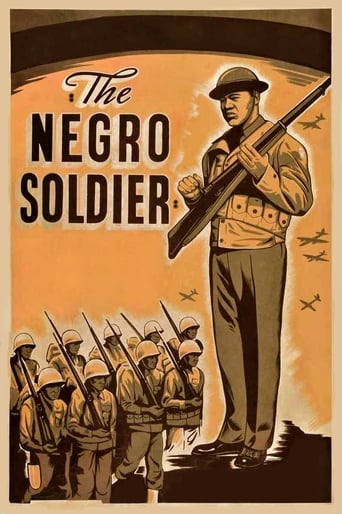
Clyde Turner is credited on a single production — The Negro Soldier (1944). Though his film career was notably brief. He is primarily remembered for his role in the 1944 documentary 'The Negro Soldier,' a U.S. War Department production directed by Frank Capra as part of the 'Why We Fight' series. This film was significant for its progressive portrayal of African American contributions to American society and military service during World War II. Turner's appearance in this important historical document represents his only known film credit, making him a representative figure of the limited opportunities available to Black actors during this era. The film itself was revolutionary for its time, commissioned by the U.S. Government to boost morale and reduce racial tensions within the military and civilian populations. Turner's participation, though brief, placed him within the context of early civil rights efforts in American cinema.
The Craft
Milestones
- Appeared in the groundbreaking documentary 'The Negro Soldier' (1944)
Best Known For
Iconic Roles
Must-See Films
Working Relationships
Worked Often With
Studios
Why They Matter
Impact on Culture
Clyde Turner's contribution to cinema, though limited to a single film appearance, is culturally significant through his participation in 'The Negro Soldier.' This film was a landmark production that challenged racial stereotypes and presented African Americans in a dignified, heroic light during a period of widespread discrimination. The film was shown to both military and civilian audiences and was credited with helping to improve race relations and boost morale among African American troops. Turner's involvement, however minor, placed him within this important moment in cinema history and the broader civil rights movement.
Lasting Legacy
Clyde Turner's legacy is intrinsically tied to 'The Negro Soldier,' which has been preserved by the Library of Congress for its cultural and historical significance. While his individual contribution may have been small, the film itself stands as proof of the early efforts to break racial barriers in Hollywood and government propaganda. The documentary is now studied as an important example of how cinema was used during World War II to address social issues and promote unity.
Who They Inspired
As an actor with only one known film credit, Clyde Turner's direct influence on subsequent performers is difficult to trace. However, his participation in 'The Negro Soldier' contributed to a film that helped pave the way for more positive and diverse representations of African Americans in cinema, influencing future generations of filmmakers and actors.
Off Screen
Very limited biographical information is available about Clyde Turner's personal life, which was common for many African American actors of his era who received minimal documentation in historical records.
Did You Know?
- The Negro Soldier was selected for preservation in the National Film Registry in 2011
- The film was part of Frank Capra's 'Why We Fight' series commissioned by the U.S. Government
- Clyde Turner's only known film appearance was in this groundbreaking 1944 documentary
- The film was unusual for its time in featuring an all-Black cast in leading roles
- The Negro Soldier was shown to both military recruits and general civilian audiences
- The film was credited with helping to reduce racial tensions in the military during WWII
- Many of the actors in the film were actual soldiers, not professional actors
- The film's positive portrayal of African Americans was revolutionary for 1940s Hollywood
Frequently Asked Questions
Who was Clyde Turner?
African American with credits in this catalog.' His film career appears to have been limited to this single but historically significant production.
What films is Clyde Turner best known for?
Titles linked here include The Negro Soldier (1944).
When was Clyde Turner born and when did he die?
Specific birth and death dates for Clyde Turner are not available in historical records, which was common for many African American actors of his era who received minimal documentation in film archives.
What awards did Clyde Turner win?
There are no recorded awards or nominations specifically for Clyde Turner, though the film he appeared in, 'The Negro Soldier,' was later selected for preservation in the National Film Registry in 2011 for its cultural significance.
What was Clyde Turner's acting style?
Due to the limited documentation of his work, Clyde Turner's specific acting style is not well-documented. He appeared in a documentary format film, which likely required a naturalistic rather than theatrical approach.
Why is 'The Negro Soldier' historically significant?
'The Negro Soldier' was revolutionary for its time as it presented African Americans in a positive, dignified light, challenging racial stereotypes. The film was used to boost morale and reduce racial tensions during WWII and is now preserved as an important cultural document.