Films
1 film
About Bertha Woolford
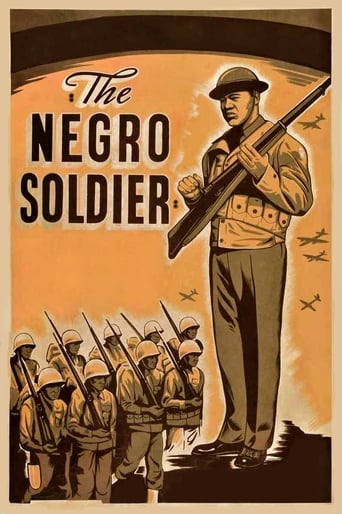
Bertha Woolford appears once in this catalog: The Negro Soldier (1944). Though her career was notably brief. Her only known film credit is in the 1944 wartime documentary 'The Negro Soldier,' directed by Frank Capra as part of the U.S. Army's propaganda series during World War II. Like many performers in government-produced films of this era, she was likely selected for the production rather than being an established Hollywood actress. The film was for its positive portrayal of African American soldiers and their contributions to the war effort, featuring both documentary footage and dramatic sequences. Woolford's participation in this historically significant film places her among the early African American performers who helped challenge racial stereotypes in American cinema. Unfortunately, detailed records about her life, career trajectory, and other potential work remain scarce, suggesting she may have been a non-professional performer or someone whose acting career was limited to this single important production.
The Craft
Milestones
- Appeared in the groundbreaking WWII documentary 'The Negro Soldier' (1944)
Best Known For
Must-See Films
Working Relationships
Worked Often With
Why They Matter
Impact on Culture
Bertha Woolford's contribution to cinema, though brief, is significant through her participation in 'The Negro Soldier,' a landmark film that challenged racial stereotypes and promoted African American patriotism during World War II. The film was part of Capra's 'Why We Fight' series and was shown to both military and civilian audiences, helping to build support for racial integration in the armed forces. Her appearance, along with other African American performers in the production, represented an important step toward more positive representation of Black Americans in mainstream media during a period of severe racial segregation.
Lasting Legacy
While Bertha Woolford's individual legacy as a performer remains largely undocumented due to the brevity of her film career, her contribution to 'The Negro Soldier' ensures her place in cinema history as part of a groundbreaking production that advanced racial representation in American film. The film itself is preserved in the National Film Registry for its cultural significance, meaning Woolford's performance continues to be accessible to scholars and audiences interested in the evolution of African American representation in cinema.
Who They Inspired
Due to the limited documentation of her career and the apparent singularity of her film appearance, specific information about Bertha Woolford's influence on other performers or filmmakers is not available. However, her participation in 'The Negro Soldier' contributed to the film's broader influence on subsequent representations of African Americans in American media.
Off Screen
Very little is documented about Bertha Woolford's personal life, which is common for performers who had brief or non-professional acting careers in the 1940s. Her appearance in 'The Negro Soldier' suggests she may have been selected for the production due to her authentic presence rather than professional acting experience, as was common with many participants in government-funded documentary films of the era.
Did You Know?
- The Negro Soldier was part of Frank Capra's acclaimed 'Why We Fight' series of propaganda films
- The film was initially rejected by some theater chains in the American South due to its positive portrayal of African Americans
- The Negro Soldier was selected for preservation in the National Film Registry in 2011
- Many performers in the film were actual soldiers or non-professional actors selected for authenticity
- The film was shown to both military recruits and civilian audiences to promote racial unity
- The production was unusual for its time in having an African American unit commander consult on the film's content
- The film's success reportedly helped influence President Truman's decision to desegregate the military in 1948
Frequently Asked Questions
Who was Bertha Woolford?
American actress known for her appearance in the 1944 documentary film 'The Negro Soldier.' Her career appears to have been limited to this single but historically significant production, which was part of the U.S. Government's wartime propaganda efforts.
What films is Bertha Woolford best known for?
Titles linked here include The Negro Soldier (1944).
When was Bertha Woolford born and when did she die?
Specific birth and death dates for Bertha Woolford are not documented in available historical records, which is common for performers who had brief or non-professional careers in the 1940s film industry.
What awards did Bertha Woolford win?
There are no documented awards or nominations specifically for Bertha Woolford's individual performance. However, 'The Negro Soldier' was recognized for its cultural significance and was selected for preservation in the National Film Registry in 2011.
What was Bertha Woolford's acting style?
Due to the limited documentation of her career and the nature of 'The Negro Soldier' as a documentary-style production, specific details about Bertha Woolford's acting style are not available. Like many participants in the film, she may have been selected for her authentic presence rather than professional acting experience.
What was the significance of 'The Negro Soldier'?
'The Negro Soldier' was a historically significant WWII propaganda film that challenged racial stereotypes by highlighting African American contributions to the war effort. It was part of Frank Capra's 'Why We Fight' series and is credited with helping advance the cause of military desegregation.
How did Bertha Woolford contribute to cinema history?
Bertha Woolford contributed to cinema history through her participation in a groundbreaking film that advanced positive representation of African Americans in mainstream media during an era of severe racial segregation. Her performance, though brief, is preserved as part of a film recognized for its cultural importance.