George Washington Carver
Actor
Born: c. 1860s in Diamond, Missouri, USA Died: January 5, 1943 Active: 1944 (posthumous film appearance)
Films
1 film
About George Washington Carver
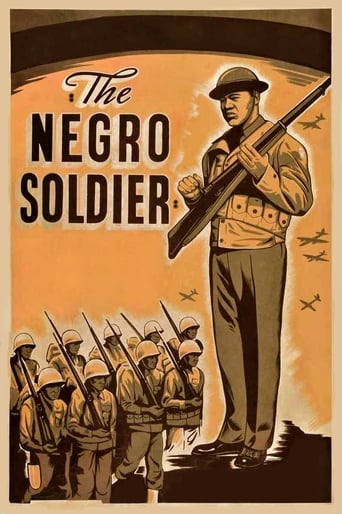
George Washington Carver was not a professional actor but rather one of America's most renowned scientists and inventors who appeared posthumously in the 1944 documentary film 'The Negro Soldier' through archival footage. Born into slavery in Missouri during the 1860s, Carver overcame tremendous adversity to become the first Black student and later faculty member at Iowa State Agricultural College. He achieved international fame for his agricultural research, particularly his work with crop rotation and developing hundreds of products from peanuts, sweet potatoes, and soybeans. Carver's appearance in 'The Negro Soldier' was part of the film's effort to showcase African American contributions to American society during World War II. The documentary, directed by Frank Capra's unit, was created to boost morale and encourage African American enlistment in the war effort. Carver died in January 1943, a year before the film's release, making his inclusion a tribute to his enduring legacy. His participation in this wartime propaganda film represents one of the rare instances where this scientific genius was captured on motion picture film for posterity.
The Craft
On Screen
Not applicable - appeared only in archival documentary footage
Milestones
- Developed over 300 products from peanuts
- Taught at Tuskegee Institute for 47 years
- Advised Mahatma Gandhi on agriculture
- Testified before U.S. Congress on agricultural issues
- Received the Spingarn Medal from the NAACP
- Featured in 'The Negro Soldier' (1944) through archival footage
Best Known For
Iconic Roles
Must-See Films
Accolades
Won
- Spingarn Medal (1923)
- Theodore Roosevelt Medal (1939)
- Honorary Doctorate from various universities
Nominated
- Posthumous nomination to the Hall of Fame for Great Americans (1977)
Special Recognition
- George Washington Carver National Monument (first national monument dedicated to an African American)
- U.S. Postal Service commemorative stamps (1948, 1998)
- USS Carver ( WWII Liberty Ship) named in his honor
- Inducted into the National Inventors Hall of Fame (1990)
Working Relationships
Worked Often With
Studios
Why They Matter
Impact on Culture
George Washington Carver's inclusion in 'The Negro Soldier' represented the recognition of African American intellectual contributions to American progress during a time of segregation. His appearance in this wartime documentary helped challenge stereotypes and presented him as a symbol of Black achievement and patriotism. The film's use of Carver's image and work demonstrated how African Americans had been integral to American advancement long before WWII. His legacy in cinema, though limited to this single archival appearance, represents an important moment in the representation of Black intellectuals in American media.
Lasting Legacy
Carver's legacy extends far beyond his brief cinematic appearance, though 'The Negro Soldier' helped preserve his image for future generations. He remains one of America's most celebrated scientists, with schools, monuments, and institutions bearing his name. His work revolutionized Southern agriculture and helped restore soil fertility while providing economic opportunities for poor farmers. The documentary appearance serves as a historical bridge, connecting his scientific achievements to the broader narrative of African American contributions to American society during WWII.
Who They Inspired
Carver influenced generations of agricultural scientists and inspired countless African Americans to pursue careers in science and education. His methods of sustainable agriculture and crop diversification remain relevant today. His appearance in 'The Negro Soldier' influenced how African American achievements were portrayed in subsequent wartime and educational films, helping pave the way for more authentic representations of Black intellectuals in American cinema.
Off Screen
George Washington Carver never married and dedicated his entire life to scientific research and education. He maintained a close relationship with Booker T. Washington and the Tuskegee Institute community. Carver was known for his deep religious faith and often spoke of his work as a divine calling. He lived simply, despite earning substantial income from his inventions, donating most of his earnings to establish the Carver Research Foundation. His personal life was characterized by his devotion to agriculture, education, and helping improve the lives of poor farmers.
Education
Did You Know?
- Was born into slavery and kidnapped as an infant, later traded back for a racehorse
- Never patented most of his discoveries, believing they should be freely available
- Could play the piano, guitar, and paint using paints made from Alabama clay
- Was a talented artist and exhibited his paintings at the 1893 World's Columbian Exposition
- Declined a job offer from Thomas Edison worth over $100,000 per year
- His epitaph reads: 'He could have added fortune to fame, but caring for neither, he found happiness and honor in being helpful to the world'
- Was friends with Henry Ford, who developed a car with a soybean plastic body based on Carver's research
- Spent his entire $60,000 life savings establishing the George Washington Carver Foundation
- Was the first African American to have a national monument dedicated to him
- His birth date is unknown because slave births were not recorded
In Their Own Words
When you can do the common things of life in an uncommon way, you will command the attention of the world.
Education is the key to unlock the golden door of freedom.
Where there is no vision, there is no hope.
I love to think of nature as an unlimited broadcasting station, through which God speaks to us every hour, if we will only tune in.
Nothing is more beautiful than the loveliness of the woods before sunrise.
Frequently Asked Questions
Who was George Washington Carver?
Renowned African American scientist and inventor who developed over 300 products from peanuts and other crops. He appeared posthumously in the 1944 documentary 'The Negro Soldier' through archival footage, representing African American contributions to American society during WWII.
What films is George Washington Carver best known for?
Titles linked here include The Negro Soldier (1944).
When was George Washington Carver born and when did he die?
Born c. 1860s; died January 5, 1943.
What awards did George Washington Carver win?
Carver received the Spingarn Medal from the NAACP in 1923, the Theodore Roosevelt Medal in 1939, and numerous honorary doctorates. He was posthumously inducted into the National Inventors Hall of Fame in 1990 and has a national monument dedicated to him.
What was George Washington Carver's acting style?
Carver was not an actor and had no acting style. His appearance in 'The Negro Soldier' consisted of archival documentary footage showing him in his natural environment conducting scientific research and educational work, representing authentic documentation rather than performance.