Benjamin O. Davis Jr.
Actor
Born: December 18, 1912 in Washington, D.C., United States Died: July 4, 2002 Active: 1944-1944 Birth Name: Benjamin Oliver Davis Jr.
Films
1 film
About Benjamin O. Davis Jr.
Benjamin O. Davis Jr. Was not a film actor, but a United States Air Force officer and military figures in 20th-century American history. Born into a military family, he became the first African American to solo in a military aircraft at West Point and later emerged as the commanding officer of the Tuskegee Airmen, the celebrated Black fighter group of World War II. His screen credit in The Negro Soldier (1944) reflects a documentary-style wartime appearance rather than an acting career in the classic Hollywood sense. Davis built his reputation entirely in military service, where his professionalism, discipline, and leadership helped challenge segregation in the armed forces and establish a lasting model of excellence for future generations. After the war, he continued to break barriers in the newly independent United States Air Force, serving in high-ranking command and staff positions during the Korean War era and beyond. He ultimately rose to the rank of lieutenant general, becoming senior African American officers of his time. Because his fame comes from military history rather than cinema, there is no true acting filmography beyond his appearance in wartime nonfiction material.
The Craft
Milestones
- Commanded the Tuskegee Airmen's fighter units during World War II and became
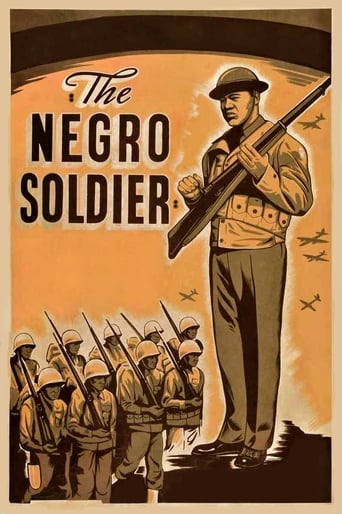
- Appeared in The Negro Soldier (1944), a wartime film used to promote African American military service and morale
- Helped prove the combat effectiveness and professionalism of Black airmen at a time of deep racial segregation in the U.S. Military
- Became one of the first African American general officers in the U.S. Air Force and later achieved the rank of lieutenant general
- Served in major leadership and policy roles after World War II, contributing to the integration and modernization of the Air Force
- Received the Presidential Medal of Freedom, one of the highest civilian honors in the United States
- Was buried at Arlington National Cemetery, reflecting his national stature and service
Best Known For
Iconic Roles
Must-See Films
Accolades
Won
- Presidential Medal of Freedom
- Service Medal
- Legion of Merit
- Air Medal
- Bronze Star Medal
Special Recognition
- Inducted into the National Aviation Hall of Fame
- Inducted into the National Black Aviation Hall of Fame
- Multiple military honors and commemorations for service and leadership
- Burial at Arlington National Cemetery
Working Relationships
Worked Often With
Studios
Why They Matter
Impact on Culture
Benjamin O. Davis Jr. Is a towering figure in American cultural history because his life helped redefine what was possible for African Americans in the military and in the public imagination. Although he was not a Hollywood performer, his presence in The Negro Soldier places him within wartime screen culture as a symbol of Black patriotism, competence, and leadership during an era when mainstream cinema often relied on stereotypes. The Tuskegee Airmen became an enduring cultural touchstone, appearing in films, television, books, and educational programs as examples of courage under discrimination. Davis's image has helped shape narratives of African American excellence, military professionalism, and civil rights progress far beyond the wartime period.
Lasting Legacy
His legacy extends far beyond his brief screen credit: he is remembered as.S. Military history and as a central figure in the integration of the armed forces. Davis's career demonstrated that Black officers could command elite combat units with distinction, helping dismantle racist assumptions that had long limited opportunity. In film history, The Negro Soldier preserves his wartime presence as part of a larger government effort to recognize African American service, making him a noteworthy figure for historians of wartime media. His name remains associated with leadership, perseverance, and the broader struggle for equal citizenship in American life.
Who They Inspired
Davis influenced generations of military officers, civil rights advocates, and cultural storytellers by embodying disciplined excellence under segregation. He provided a real-life model that filmmakers, writers, and historians later used when portraying Black aviators and military heroes. His leadership helped create the conditions for greater inclusion in the U.S. Air Force and served as an important precedent for later African American commanders. In popular culture, his and the Tuskegee Airmen's example has inspired dramatizations and historical works that emphasize competence, dignity, and institutional change.
Off Screen
Benjamin O. Davis Jr. Came from a notably Black American family; his father, Benjamin O. Davis Sr., was the first African American general officer in the U.S. Army. Davis Jr. Married Agatha Scott Davis, and they remained together through much of his long military career. Their family life is less publicly documented than his service record, which is typical for military figures of his era, but he was known as a disciplined, private, and deeply committed husband and father. His personal identity was inseparable from the struggle for racial equality in the armed forces, and he often carried himself with a sense of duty shaped by both family legacy and public responsibility.
Education
Attended the United States Military Academy at West Point, where he graduated in 1936; his time there was marked by isolation due to racial segregation, but he completed the rigorous program and entered military aviation.
Family
- Agatha Scott Davis
Did You Know?
- He was the son of Benjamin O. Davis Sr., the first African American general officer in the U.S. Army.
- He graduated from West Point in 1936 and endured severe social isolation there because of segregation.
- He became the commander of the 332nd Fighter Group, the famed Tuskegee Airmen combat unit.
- His film credit in The Negro Soldier (1944) is tied to wartime morale and propaganda rather than a conventional acting career.
- He was among the first African American general officers in the U.S. Air Force.
- He rose to the rank of lieutenant general, one of the highest-ranking African American officers of his era.
- He received the Presidential Medal of Freedom for his service and historic leadership.
- He is buried at Arlington National Cemetery, a mark of national honor.
In Their Own Words
I have to say that I think we did what had to be done.
We wanted to show that the Negro could fly, that he could fight, that he could lead.
Frequently Asked Questions
Who was Benjamin O. Davis Jr.?
American military officer best known as the commander of the Tuskegee Airmen during World War II. He is not primarily known as a film actor; his connection to cinema comes from his appearance in the wartime film The Negro Soldier (1944).
What films is Benjamin O. Davis Jr. Best known for?
Titles linked here include The Negro Soldier (1944).
When was Benjamin O. Davis Jr. Born and when did he die?
Born December 18, 1912; died July 4, 2002.
What awards did Benjamin O. Davis Jr. Win?
He received major military and civilian honors, including the Presidential Medal of Freedom, the Service Medal, the Legion of Merit, the Air Medal, and the Bronze Star Medal. He was also inducted into aviation halls of fame and honored nationally for his leadership.
What was Benjamin O. Davis Jr.'s style or approach?
As a military leader, he was known for discipline, professionalism, calm authority, and exceptionally high standards. In the context of film or public presentation, his screen presence reflected authenticity and service rather than performance technique.
What is Benjamin O. Davis Jr.'s legacy?
His legacy lies in proving the combat effectiveness and leadership capacity of African American aviators during World War II and in helping open the door to integration in the U.S. Military. He remains a symbol of excellence under pressure and a key figure in both military and civil rights history.