Films
3 films
About Ivan Yudin
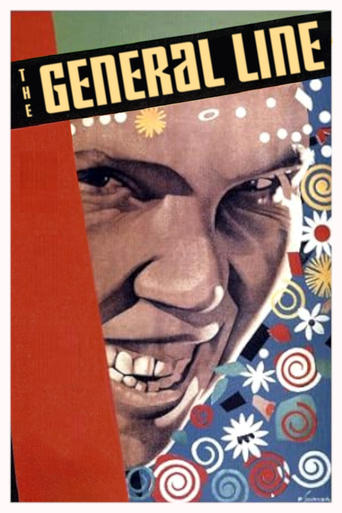
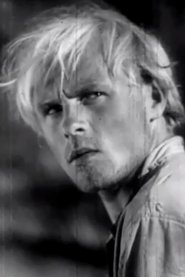
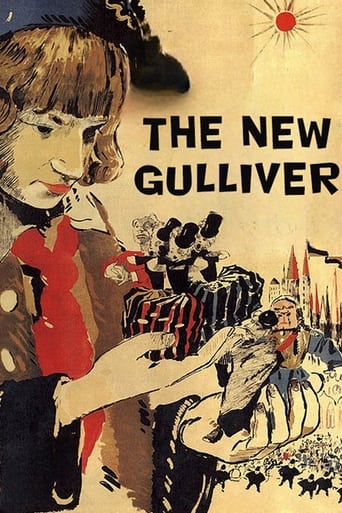
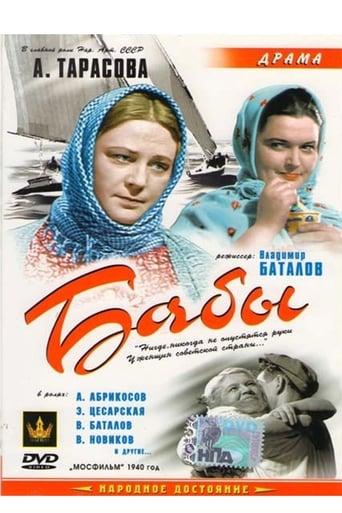
Soviet actor who emerged during the transformative period of Soviet cinema in the late 1920s and early 1930s. His the crucial transition from silent films to early sound cinema in the USSR, placing him at the heart of Soviet cinematic innovation. Yudin worked with some of the most important Soviet directors of his era, including Sergei Eisenstein on 'The General Line' (1929), which was one of Eisenstein's final silent masterpieces before the transition to sound. He demonstrated remarkable versatility by appearing in both live-action dramas and animation projects, notably 'The New Gulliver' (1935), one of the first feature-length stop-motion animated films. His performances reflected the socialist realist aesthetic that dominated Soviet cinema during the Stalin era, often portraying working-class characters and revolutionary themes. Yudin's final known film appearance was in 'Peasant Women' (1940), marking the end of his documented film career just before the Soviet Union entered World War II. Though his filmography was relatively brief, his work represents the artistic and ideological evolution of Soviet cinema during one of its most dynamic periods.
The Craft
On Screen
Yudin's acting style embodied the socialist realist aesthetic popular in Soviet cinema during the 1930s, characterized by clear, expressive performances that emphasized collective values and revolutionary ideals. His work in silent films demonstrated the exaggerated physicality and emotional intensity typical of the era, while his later sound performances adapted to the more naturalistic demands of early Soviet talkies. In Eisenstein's work, he likely employed the montage-driven acting techniques that emphasized symbolic gestures and powerful visual storytelling.
Milestones
- Appeared in Sergei Eisenstein's 'The General Line' (1929)
- Participated in stop-motion animation 'The New Gulliver' (1935)
- Worked during the transition from silent to sound cinema in USSR
- Contributed to socialist realist film movement
Best Known For
Iconic Roles
Must-See Films
Working Relationships
Worked Often With
Studios
Why They Matter
Impact on Culture
Ivan Yudin's work represents an important chapter in the development of Soviet cinema during its formative years. His participation in Eisenstein's 'The General Line' places him within. The films he appeared in were part of the Soviet Union's ambitious cultural project to create a new revolutionary art form that would educate and inspire the masses. His involvement in 'The New Gulliver' also connects him to the efforts in Soviet animation, which would later become.
Lasting Legacy
While Ivan Yudin may not be widely remembered by name today, his work survives as part of the enduring legacy of early Soviet cinema. The films he contributed to, particularly Eisenstein's works, continue to be studied by film scholars and screened at international film festivals as examples of cinematic innovation. His career exemplifies the role of the working actor in the Soviet film industry during a period when individual recognition was often secondary to collective achievement and ideological messaging. His performances, preserved in these historically significant films, provide valuable insight into the acting techniques and artistic priorities of Soviet cinema during the 1930s.
Who They Inspired
As an actor working within the highly structured Soviet film system, Yudin's influence would have been primarily through his contributions to the films that shaped Soviet cinematic language. His work with Eisenstein contributed to the development of acting techniques that complemented montage editing, influencing generations of Soviet actors who followed. The films he appeared in became part of the curriculum in film schools worldwide, indirectly spreading the performance styles he helped develop to future generations of actors and directors.
Off Screen
Very little documented information is available about Ivan Yudin's personal life, which was common for many Soviet actors of his era whose biographies were often subsumed by their contributions to collective cinematic projects. Like many Soviet artists of the 1930s, his life would have been deeply affected by the political and social upheavals of the Stalinist period, including the intense scrutiny placed on cultural workers.
Did You Know?
- Appeared in one of Sergei Eisenstein's final silent films before the director's transition to sound cinema
- Participated in 'The New Gulliver' (1935), which was one of the world's first full-length stop-motion animated feature films
- His active years covered the critical transition period from silent films to talkies in Soviet cinema
- Worked during the height of Stalin's cultural purges, a dangerous time for Soviet artists
- His filmography consists entirely of Soviet productions, reflecting the state-controlled nature of the film industry
- The General Line was originally conceived as part of a larger project about collectivization that was never completed
- All three of his known films emphasized themes of rural life and agricultural collectivization
- His career ended in 1940, just before the Soviet Union entered World War II
Frequently Asked Questions
Who was Ivan Yudin?
Screen credits include several significant Soviet films, including works by director Sergei Eisenstein. He worked during the crucial transition period from silent to sound cinema in the USSR.
What films is Ivan Yudin best known for?
Titles linked here include The General Line (1929), The New Gulliver (1935).
When was Ivan Yudin born and when did he die?
Unfortunately, specific birth and death dates for Ivan Yudin are not well-documented in available historical records, which is common for many Soviet actors of his era. His known film active years covered from 1929 to 1940.
What awards did Ivan Yudin win?
There are no documented awards or honors specifically attributed to Ivan Yudin in available historical records. During the Soviet era, individual recognition for actors was often secondary to the collective achievement of the film projects.
What was Ivan Yudin's acting style?
Yudin's acting style reflected the socialist realist aesthetic dominant in Soviet cinema of the 1930s, featuring expressive performances that emphasized revolutionary themes and collective values. His work in silent films demonstrated the physical intensity typical of the era, adapting to more naturalistic approaches in sound films.
Did Ivan Yudin work with any famous directors?
Yes, Ivan Yudin worked with Sergei Eisenstein,. This collaboration places him within.
What happened to Ivan Yudin after 1940?
There is no documented information about Ivan Yudin's career or life after his final known film appearance in 1940. This lack of information is not uncommon for Soviet actors of this period, particularly those whose careers coincided with the upheavals of World War II.