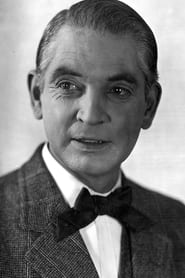
T.D. Crittenden
Actor
- Active
- 1919-1919
Films 1
About T.D. Crittenden
T. D. Crittenden was a little-documented American screen actor of the silent-film era, remembered today primarily because his name appears in surviving cast lists from early feature productions such as The Hoodlum (1919). Like many performers working in the rapidly expanding film industry of the 1910s, he seems to have had a brief or at least sparsely recorded screen career, and the historical record preserves only fragments of his professional life. Available evidence indicates that he was active in 1919, placing him squarely in the transitional period when American cinema was moving from short subjects to feature-length storytelling and building the foundations of star culture. Beyond this, authoritative biographical details such as his birth and death dates, birthplace, family background, and later life are not readily recoverable from standard reference sources. Because of the limited surviving documentation, he is best understood as one of the many working actors who contributed to silent-era production without becoming a major name in press coverage or later historical memory. His significance lies less in celebrity than in representing the broader population of early film performers whose work helped establish the industry’s artistic and industrial habits. As with many obscure silent-era artists, his surviving legacy depends on filmographic attribution and archival memory rather than extensive personal records.
More about T.D. Crittenden
On screen
No detailed descriptions of T. D. Crittenden's acting technique survive in standard reference material. Based on the era in which he worked, his performances would likely have relied on the expressive physicality, clear facial gesture, and readable blocking that were essential to silent-era screen acting. As a likely supporting performer, his style would have been shaped by functional ensemble work rather than star-centered showcase acting.
In film history
T. D. Crittenden's cultural impact is primarily archival and historical rather than celebrity-based. He stands as part of the large body of silent-era working actors whose contributions made early feature filmmaking possible, even when their names did not endure in popular memory. Performers like Crittenden helped populate the social worlds of melodramas, comedies, and dramas that defined American cinema in the 1910s, contributing to the realism and texture of ensemble storytelling. His presence in the cast of The Hoodlum places him within the developmental phase of Hollywood, when the industry was standardizing narrative form, screen acting conventions, and the commercial feature film.
Later reputation
Crittenden's legacy lies in the historical record of silent cinema, where even minimally documented performers remain important for reconstructing production histories and cast networks. For historians and database researchers, his name helps verify cast attribution and preserve the integrity of early film documentation. Though he does not appear to have left behind a major star persona or a large surviving filmography, his credit in an extant 1919 feature ensures that he remains part of the collective memory of American silent film. In that sense, his legacy is typical of many early film workers whose careers were brief, unevenly recorded, and later rediscovered through archival scholarship.
Influence
There is no evidence that T. D. Crittenden directly influenced later performers in a documented, name-recognized way. His broader influence, if any, would have been indirect: as one of the countless screen actors who helped establish the expressive conventions and ensemble practices of silent cinema. The accumulated work of such performers shaped the medium's visual language and provided models for later character acting in film.
Off screen
No reliable biographical information about T. D. Crittenden's personal life is readily available in standard film reference sources. His marriages, children, education, and family background have not been documented in the surviving mainstream record. This is not unusual for minor silent-era performers, many of whom appeared briefly on screen and left little paper trail in later archival collections.
Credits
- Appeared in the silent feature The Hoodlum (1919), the best-documented screen credit associated with his name
- Worked during the late silent era, when feature-length American films were becoming the dominant form of commercial cinema
- Represents the many supporting and bit players whose performances filled out the cast lists of early Hollywood productions
- His surviving film credit places him within the historical network of silent-era character actors active around 1919
Roles
- Role in The Hoodlum (1919)
Films
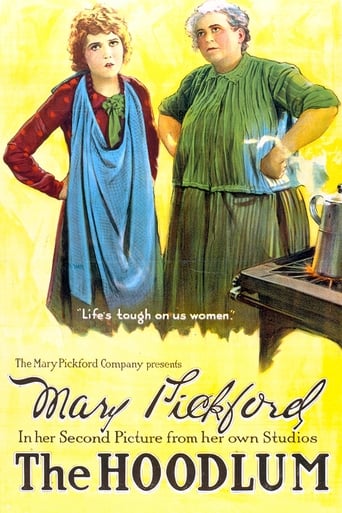
- The Hoodlum (1919)
Notes
- T. D. Crittenden is chiefly identified today through film credits rather than through extensive biographical documentation.
- His surviving best-known credit is The Hoodlum (1919), a silent-era feature.
- He appears to have had a very limited or at least very sparsely recorded screen career.
- His life dates, birthplace, and family details are not clearly established in commonly used reference sources.
- He is an example of the many early film actors whose contributions are preserved in cast lists even when personal histories are lost.
- Because he worked in 1919, he belonged to the generation of actors active during the final years before the feature-film system became fully dominant.
- Researchers often encounter performers like Crittenden when reconstructing silent-era filmographies from surviving prints, studio records, and trade publications.
Questions
Who was T. D. Crittenden?
T. D. Crittenden was an American silent-film actor whose name survives chiefly through early film credits. He is best known today for appearing in The Hoodlum (1919), though little else about his life and career is well documented.
What films is T. D. Crittenden best known for?
He is best known for The Hoodlum (1919), the principal surviving credit associated with his name. No larger or more widely cited filmography is readily established from standard reference sources.
When was T. D. Crittenden born and when did he die?
His birth and death dates are not clearly established in readily available historical references. Likewise, his birthplace and death place are not reliably documented in the surviving mainstream record.
What awards did T. D. Crittenden win?
No awards or formal nominations are documented for T. D. Crittenden in the standard reference sources typically used for silent-era performers. His significance is historical rather than award-based.
What was T. D. Crittenden's acting style?
No detailed critical description of his acting style survives. Given that he worked in silent film, his performances would have depended on visual expressiveness, gesture, and clear physical communication rather than spoken dialogue.
What is T. D. Crittenden's legacy in film history?
His legacy is as one of the many silent-era actors whose names remain attached to early film productions even when personal details are scarce. He helps preserve the historical record of how American cinema developed during the 1910s.