The Hoodlum
Plot
The Hoodlum follows a wealthy, willful young woman whose pampered life is abruptly upended when family circumstances force her to leave her comfortable home and fend for herself in the city’s poorer districts. Stripped of money and status, she must navigate a harsh world of tenements, labor, and social suspicion, where her former manners and privileges make survival difficult. As she tries to adapt, she encounters rough companionship, danger, and humiliation, but also begins to develop resilience, empathy, and a better understanding of people outside her class. The story combines comedy with social contrast, using the heroine’s fall from privilege and gradual hardening into a more capable person as its central arc. By the end, the film frames her ordeal as both an adventure in survival and a moral education in humility and independence.
About the Production
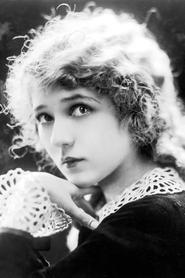
The Hoodlum was produced during Mary Pickford’s peak as the defining star-producer of American silent cinema, and it reflects the period when she was choosing vehicles designed to blend comedy, pathos, and social observation. Sidney Franklin directed the film under the creative orbit of Pickford’s independent production setup, which gave her substantial control over material, presentation, and image. Like many Pickford films of the late 1910s, it was tailored to her ability to play youthful but psychologically active heroines, often referred to as 'Little Mary' characters even when the stories became more mature and ironic. Surviving documentation on exact shooting dates, budget, and detailed location work is limited, which is common for silent-era productions, but it is generally understood to have been a studio-made feature with sets designed to evoke both affluent interiors and urban slum environments.
Historical Background
The Hoodlum was made in 1919, immediately after World War I, during a period of rapid change in American society and the film industry. The United States was experiencing labor unrest, urban crowding, shifting gender expectations, and a growing appetite for stories about class mobility and modern city life, all of which made a tale of a privileged girl confronting poverty especially resonant. In cinema, the feature film had firmly replaced the one-reel short as the dominant form, and stars like Mary Pickford were becoming the main draw for audiences. The film also belongs to the era when performers were gaining more creative authority, with Pickford’s rise symbolizing the emergence of the movie star as producer, brand, and cultural institution.
Why This Film Matters
The Hoodlum matters primarily as part of Mary Pickford’s body of work, which helped define the grammar of star-driven American cinema. Her performances in these role-reversal stories helped establish a template for heroines who are simultaneously comic, vulnerable, and resilient, influencing how female protagonists could anchor commercial features. The film also reflects early Hollywood’s fascination with class contrast as entertainment, using social descent and survival among the poor both to generate laughs and to reassure middle-class audiences through moral transformation. While not one of Pickford’s most famous titles today, it contributes to the historical understanding of how silent-era female stardom, independent production, and urban-themed comedy intersected in the years before the sound era.
Making Of
The Hoodlum was developed in the context of Mary Pickford’s tightly managed career, when she was selecting material that would showcase both her comic timing and her ability to command audience sympathy. Sidney Franklin’s direction likely emphasized clean visual storytelling and star-centered staging, with Pickford’s reactions and physical business carrying much of the narrative weight, as was typical in silent comedy-drama. The production also reflects the practical realities of silent filmmaking in the late 1910s: studio-controlled interiors, constructed street settings, and a reliance on costume and performance to signal sharp class distinctions instantly. Because records from this period are often incomplete, there is no widely circulated detailed production diary, but the film is understood as part of the wave of prestige star vehicles that made Pickford not just a performer but a key creative force in shaping American feature production.
Visual Style
The film’s visual style is characteristic of late silent-era feature production: straightforward composition, clear staging, and an emphasis on readable action rather than ornamental camera movement. Cinematography likely relied on medium shots and full-figure framing to capture Pickford’s expressive physical comedy and the visual contrast between her wealthy background and the slum environments she enters. Sets and costumes would have carried much of the storytelling burden, making class position immediately legible through interiors, street detail, and wardrobe changes. The style is notable less for technical flash than for efficient, polished narrative clarity designed to keep focus on the star’s performance.
Innovations
The Hoodlum does not appear to be known for major technological innovations, but it demonstrates the mature silent-film craft of the late 1910s. Its achievement lies in efficient storytelling through visual contrast, costume, performance, and set design, especially in making class reversal immediately understandable without dialogue. The film also reflects the increasing sophistication of feature-length narrative construction, with a sustained character arc rather than a simple series of gags. As a Pickford production, it exemplifies the industrial and artistic power of the star vehicle at a time when the studio system was consolidating.
Music
As a silent film, The Hoodlum originally had no synchronized recorded soundtrack. It would have been shown with live musical accompaniment in theaters, typically by a pianist, organist, or small ensemble, and exhibitors may have used cue sheets or local improvisation to match the film’s comic and dramatic shifts. No single original score is universally documented in surviving records, and any modern presentations would depend on the archive or distributor providing accompaniment. In historical exhibition, music would have played a crucial role in shaping the audience’s response to the heroine’s misadventures and emotional turns.
Famous Quotes
As a silent film, no definitive spoken dialogue quotes survive in the way they do for sound films.
Intertitles varied by surviving print and exhibition materials, so any quotation may differ between versions.
Memorable Scenes
- The heroine’s abrupt transition from comfort and wealth into a harsher urban world, visually underscoring the film’s class reversal premise.
- Her early attempts to cope with the customs and dangers of the slums, played for both comedy and pathos.
- Scenes that contrast polished domestic privilege with rough street life, creating the film’s central visual and dramatic tension.
- Moments in which Pickford’s physical expressiveness turns embarrassment, outrage, or determination into comedy.
Did You Know?
- The Hoodlum was one of Mary Pickford’s late-1910s starring vehicles, made while she was one of the most powerful figures in American film production.
- The film pairs comedy with a social-climbing-and-fall narrative, a structure Pickford used often to dramatize the gap between privilege and hardship.
- Although the title suggests criminality, the story centers on class displacement and survival rather than gang life in the modern sense of the word.
- Sidney Franklin later became well known as a director of sophisticated comedies and dramas, and this film is an early example of his work with a major star.
- The film is associated with the period when Pickford’s screen persona was evolving from childlike innocence toward more assertive, worldly heroines.
- Silent films of this era often had variable running times depending on projection speed, so the exact length can differ from one source or print to another.
- Like many Pickford features, the film emphasized expressive acting, carefully staged physical comedy, and emotional contrasts rather than elaborate spectacle.
- The film is part of the transitional moment just before Pickford co-founded United Artists’ public identity as a star-led alternative to the studio system.
- The story’s move from wealth to poverty anticipates later Hollywood comedies and dramas that use class reversal as both satire and character testing.
- The Hoodlum survives in film history largely through its association with Pickford, since many lesser-known silent comedies of the period are less widely remembered by title alone.
What Critics Said
Contemporary reviews for many Mary Pickford vehicles were generally attentive and favorable, often praising her charisma, emotional range, and physical expressiveness even when the plots were judged formulaic. The Hoodlum appears to have been received as a competent and enjoyable star comedy-drama rather than a major artistic breakthrough, with attention centered on Pickford’s performance and the appeal of the fish-out-of-water premise. Modern critical interest is usually historical rather than widespread popular reappraisal: the film is discussed as a representative Pickford vehicle and as evidence of her control over her screen image during the silent era. Because it is less frequently screened than her best-known titles, its reputation today depends heavily on archival scholarship and retrospectives on Pickford’s career.
What Audiences Thought
Audiences in the silent era were generally very responsive to Mary Pickford, whose name alone was a major box-office attraction. The Hoodlum likely benefited from the public’s familiarity with her persona: viewers could expect humor, sentiment, and a heroine whose tribulations would ultimately affirm her virtue and resourcefulness. As with many Pickford films, the pleasure for audiences lay not only in the plot but in the star’s expressive performance style and the emotional identification she encouraged. Contemporary attendance details are not well preserved, but the film fit the kind of commercially reliable programming that made Pickford one of the biggest draws of the late 1910s.
Film Connections
Influenced By
- Silent-era social comedies and comedy-dramas centered on class reversal
- Mary Pickford's earlier screen persona as the innocent but resourceful young heroine
- Popular stage and literary melodramas about falling from privilege into hardship
- Urban reform-era stories that contrasted wealth with tenement life
This Film Influenced
- Later Hollywood comedies built around wealthy characters forced into working-class environments
- Subsequent star vehicles for actresses who played vulnerable but resourceful social outsiders
- Class-reversal comedies and dramas of the 1920s and beyond
You Might Also Like
More Comedy Films
View allMore from Sidney Franklin
View allFilm Restoration
The Hoodlum is preserved in archival holdings and survives as a historical silent feature, though availability may depend on the specific print or transfer. As with many films from the era, surviving material can vary in completeness and quality, and access is often through archives, repertory screenings, or specialty home-video sources rather than mainstream circulation.