Nellie Anderson
Actor
- Active
- 1914-1919
Films 2
About Nellie Anderson
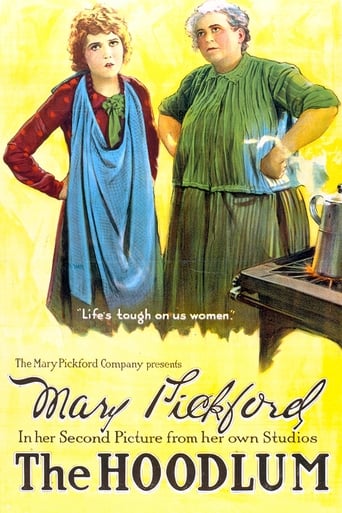
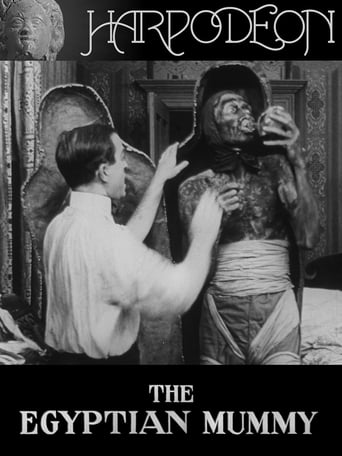
Nellie Anderson was a silent-era screen actress whose surviving record is extremely limited, but she is documented as appearing in American films during the 1910s, including The Egyptian Mummy (1914) and The Hoodlum (1919). Her known screen career falls squarely within the formative years of narrative cinema, when many performers worked in short-run productions and were credited inconsistently, making detailed biographical reconstruction difficult. The available evidence suggests that she worked as a character or supporting player rather than as a major star, and she appears to have been part of the broad workforce of early studio-era actors whose names often survive only in cast lists and trade references. Because of the scarcity of surviving archival material, little can be confirmed about her private life, training, or later career beyond these film appearances. Nonetheless, her presence in films from both 1914 and 1919 indicates sustained activity across a significant portion of the silent period, and her work contributes to the historical record of early American cinema. Like many performers of the era, she helped build the texture of silent storytelling even when individual biographical details were not preserved. Her surviving credits make her a small but legitimate part of silent film history and a reminder of how many working actors remain partially anonymous in the early screen era.
More about Nellie Anderson
On screen
No detailed contemporary description of Nellie Anderson's performance style has survived in the accessible historical record. Based on the period in which she worked, her acting would have relied on silent-era techniques such as expressive facial communication, controlled gesture, and clear physical business to convey character and emotion without spoken dialogue. Any assessment beyond that would be speculative, as extant reviews or production notes specifically describing her work have not been identified.
In film history
Nellie Anderson's cultural impact is best understood in the broader context of silent-era ensemble performers who supported the development of feature-length narrative cinema. While she does not appear to have been a celebrity figure of the first rank, her credits reflect the labor of countless actors whose contributions made early film production possible. Her appearances in 1910s titles place her within a crucial transitional era when American cinema was consolidating its storytelling methods, production practices, and star system. Even when individual performers were not heavily publicized, their work helped shape the visual language and emotional clarity of silent film. In that sense, Anderson represents the indispensable but often under-archived working actor of early Hollywood.
Later reputation
Nellie Anderson's legacy lies in her place in the historical record of silent cinema rather than in widely documented fame or awards. Her surviving credits help film historians and database researchers reconstruct cast lists, production networks, and the careers of performers who worked outside the top tier of stardom. The fact that she can still be identified in films from both 1914 and 1919 gives her a modest but meaningful presence in silent film scholarship. Her name is part of the larger legacy of early American screen acting, where many careers are visible only in fragments. For modern researchers, she serves as an example of the many lesser-known actors whose work is essential to the preservation of film history.
Influence
There is no surviving evidence that Nellie Anderson directly mentored other performers or exerted a documented influence on later named actors or directors. Her broader influence is indirect: she participated in the silent-era production environment that helped establish acting conventions for motion pictures. Performers of her generation collectively influenced the evolution of screen performance by adapting stage-derived techniques to the more intimate demands of the camera. Although her individual artistic impact cannot be precisely measured, her work belongs to the foundational generation that informed later acting styles in cinema.
Off screen
No reliable biographical information has been found concerning Nellie Anderson's personal life, including family background, marriages, or later years. As with many silent-era performers, the historical record is sparse and may have been further obscured by inconsistent crediting practices, lost paperwork, and the passage of time. Without verifiable archival evidence, her private life cannot be responsibly reconstructed. She remains primarily identifiable through her screen credits rather than through surviving interviews, census records, or studio publicity materials.
Credits
- Appeared in The Egyptian Mummy (1914), one of her earliest surviving credited screen appearances.
- Appeared in The Hoodlum (1919), showing activity across the middle-to-late silent era.
- Maintained a screen presence over at least a five-year period during the formative years of American feature filmmaking.
- Represents the many working silent-era performers whose names survive primarily through filmographies rather than extensive biographical records.
Roles
- Supporting role in The Egyptian Mummy (1914)
- Supporting role in The Hoodlum (1919)
Films
- The Egyptian Mummy (1914)
- The Hoodlum (1919)
Notes
- Nellie Anderson is documented in silent-era film credits, but detailed biographical information about her has not survived in common reference sources.
- Her known filmography spans at least two decades-related end points of the 1910s, with a credit in 1914 and another in 1919.
- She is one of many early screen performers whose careers can be reconstructed only from cast lists and surviving film records.
- Her presence in The Egyptian Mummy and The Hoodlum places her in the era before synchronized sound transformed movie performance.
- Because so little personal information survives, she is more easily studied through film history than through conventional celebrity biography.
- The scarcity of records on performers like Anderson reflects the uneven preservation of silent-era documentation.
- Her surviving credits suggest she was active during a time of rapid change in film length, production scale, and acting style.
- She is a useful example of how many silent-era actors contributed to cinema history without becoming nationally famous.
Questions
Who was Nellie Anderson?
Nellie Anderson was a silent-era film actor known from surviving credits in early American cinema. Her documented screen work includes The Egyptian Mummy (1914) and The Hoodlum (1919). Beyond those credits, very little biographical information has survived in accessible sources.
What films is Nellie Anderson best known for?
She is best known for appearing in The Egyptian Mummy (1914) and The Hoodlum (1919). These are the principal surviving titles associated with her name in historical film records. Her broader filmography may have been more extensive, but it is not well preserved.
When was Nellie Anderson born and when did she die?
Her birth and death dates are not currently documented in the accessible historical record. The same is true of her birth place and later-life details. This is common for many silent-era supporting performers whose records were not comprehensively preserved.
What awards did Nellie Anderson win?
No awards or formal honors are documented for Nellie Anderson in the surviving record. Many silent-era working actors were never included in the later awards culture that developed in Hollywood. Her significance lies in her historical screen presence rather than in recorded prizes.
What was Nellie Anderson's acting style?
No contemporary review describing her acting style has been identified, so a definitive portrait is not possible. As a performer in silent films, she would have relied on facial expression, body language, and gesture to communicate character and emotion. Any more specific description would be speculative.
What is Nellie Anderson's legacy in film history?
Her legacy is that of a documented silent-era performer whose name survives in early film credits and helps historians map the working landscape of 1910s cinema. She represents the many supporting actors who contributed to the medium's development without becoming famous stars. Even limited records like hers are valuable for understanding the breadth of early film production.