Also available on: YouTube Archive.org
The Egyptian Mummy

The Egyptian Mummy

1914 United States
Deception and disguiseGreed and opportunismComic misuse of science and authorityThe absurdity of superstition and sensationalismThe blurred line between horror imagery and comedy

Plot

In this short comic-horror farce, a man trying to raise money comes up with a bizarre scheme involving a supposed ancient mummy. He hires a tramp-like bum to impersonate a wrapped-up corpse so that the "body" can be sold to gullible buyers interested in scientific study or curiosity. As the deception unfolds, the scheme becomes increasingly ridiculous, with the fake mummy at the center of a chain of misunderstandings and physical comedy. The film plays the premise for both suspense and satire, turning the mystery of Egyptology and mummified remains into a vehicle for broad slapstick. Its humor depends on disguise, fraud, and the absurdity of exploiting pseudo-scientific credulity for quick profit.

About the Production

Release Date 1914

The film was produced during the early silent era, when short comic subjects were commonly made quickly and with minimal surviving documentation. Like many films from 1914, especially smaller one-reel comedies, detailed production records such as budgets, shooting locations, and crew notes have not survived in standard reference sources. The premise reflects the period's fascination with Egypt, mummies, pseudo-science, and comic imposture, topics that were popular in vaudeville-style screen humor. Because the film is a vintage short, surviving information is limited and some cast identification in archival records may vary depending on source.

Historical Background

The Egyptian Mummy was made in 1914, at a pivotal moment in early cinema when the American film industry was shifting from short one-reel subjects toward more ambitious storytelling. Audiences of the time were especially drawn to novelty, exoticism, and comic exaggeration, and Egypt-themed entertainment fit neatly into that appetite. The period also saw widespread public interest in archaeology, museum culture, and sensational claims about ancient wonders, giving a mummy comedy a ready-made cultural hook. In the broader history of film, it belongs to the era when filmmakers were experimenting with genre mixtures, blending slapstick, mild horror, and social satire in brief, fast-moving stories.

Why This Film Matters

Although not widely known today, the film is significant as an early example of a horror-comedy hybrid, decades before the form became a common genre category. Its use of a mummy motif shows how early cinema borrowed from popular archaeology, stage melodrama, and novelty attractions to create familiar but instantly legible screen jokes. The film also helps document the early careers of performers who would later be better remembered in silent comedy and feature productions. For film historians, it represents the kind of short subject that helped establish recurring comic formulas involving deception, disguise, and pseudo-scientific gullibility.

Making Of

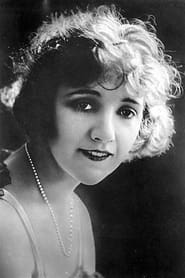
Very little detailed behind-the-scenes information survives for this film, which is typical of many 1914 shorts. The production likely depended on a small unit, quick setup, and straightforward staging, with the comedy driven by performance rather than elaborate sets or effects. The casting of performers such as Constance Talmadge and Billy Quirk suggests that the film drew on recognizable comic and character-actor talent of the day. Its premise indicates a production approach rooted in topical humor and broad visual gags, likely designed for rapid exhibition in nickelodeons and vaudeville-supported programs.

Visual Style

No detailed cinematographic documentation survives in widely available sources, but as a 1914 silent short it would almost certainly have relied on static or lightly adjusted camera setups, clear frontal composition, and readable staging. Early comic films often emphasized full-body performance and spatial clarity so that the audience could easily track the deception and physical humor. If any effects were used, they would have been practical and minimal, depending on costume, wrapping, and blocking rather than optical trickery. The visual style would have been functional and theatrical, suited to conveying the fake mummy gag quickly and plainly.

Innovations

There are no known major technical innovations associated with the film. Its significance is more generic and historical, demonstrating early silent-era proficiency in visual storytelling, masking, costume comedy, and compact narrative setup. The effectiveness of the premise depended on the audience instantly understanding the fake-mummy disguise, which required clear staging and costume readability. In that sense, it illustrates the basic but important technical craft of early one-reel comic filmmaking.

Music

As a silent film, The Egyptian Mummy originally had no synchronized recorded soundtrack. It would have been shown with live musical accompaniment, typically a pianist, organist, or small ensemble depending on the venue. Music would have been selected to match the comic and lightly suspenseful tone of the action, with cues likely improvised by exhibitors. No original score is known to survive.

Memorable Scenes

  • The central gag in which a bum is wrapped and passed off as a mummy to fool buyers and create the illusion of an authentic specimen.
  • The escalating comic complications that arise once the fake mummy is introduced into the scheme, turning the con into a chain of farcical misunderstandings.

Did You Know?

  • The film combines horror imagery with comedy, a pattern that would later become a major comic tradition in American cinema.
  • Its plot hinges on a fake mummy scam, a very early example of a film using pseudo-archaeology and scientific curiosity as comic material.
  • Lee Beggs is credited as director, and he also appears in the cast list associated with the film.
  • Constance Talmadge is listed among the cast, making the film part of her early screen work before she became a major silent-era star.
  • Billy Quirk, another cast member, was known for comic roles in silent films and fit the short's broad, physical style of humor.
  • The film is from 1914, a year when the American film industry was still heavily reliant on short subjects rather than feature-length productions.
  • Because it is an early silent film, intertitles would have carried the dialogue and plot points rather than synchronized sound.
  • The title reflects the era's recurring fascination with Egyptology and mummies, which were frequent subjects in popular entertainment.
  • As with many films of its period, surviving detailed release and production data are scarce, making it of special interest to archivists and historians.

What Critics Said

Contemporary critical response is not well documented in surviving reference materials, and the film does not appear to have generated substantial modern critical discussion outside archival and historical contexts. Like many early shorts, it was likely reviewed, if at all, as part of general exhibition notices rather than as a prestige title. Modern assessment tends to treat it as an instructive artifact of early comic filmmaking rather than a canonical work. Its value today lies more in historical curiosity, cast documentation, and genre development than in a large body of criticism.

What Audiences Thought

Specific audience-response records are not known to survive for this title. As a short comedic attraction, it was likely intended to entertain broad audiences through visual gagging and absurd premise rather than through literary depth or emotional realism. Films of this type generally played well in the silent era because their humor was immediate and easy to follow across different venues and audiences. Today, it is primarily of interest to silent-film enthusiasts, researchers, and viewers curious about early comedy-horror hybrids.

Film Connections

Influenced By

  • Stage farce and vaudeville-style comic plots
  • Public fascination with Egyptology and mummies in early twentieth-century popular culture
  • Early slapstick short subjects centered on disguise and trickery

This Film Influenced

  • Early horror-comedy shorts and mummy-themed comic films
  • Later genre hybrids that mix supernatural imagery with slapstick humor

Film Restoration

The survival status is uncertain in readily available mainstream references; no widely documented restored print is commonly cited, and many films of this era survive only in fragmentary or archival form. If extant, it is likely held in a specialized film archive rather than widely circulated in commercial release.

Themes & Topics