
George C. Stoney
Director
Born: July 1, 1916 in Winston-Salem, North Carolina, USA Died: July 12, 2012 Active: 1946-2012 Birth Name: George Cashel Stoney
Films
1 film
About George C. Stoney
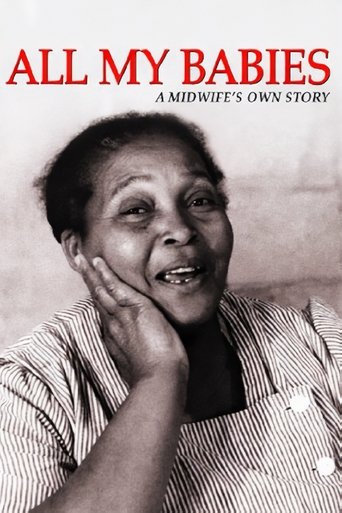
American documentary filmmaker, educator, and advocate for public access television who revolutionized the field of documentary cinema. Born in 1916 in North Carolina, Stoney began his career making educational films for the Georgia Department of Public Health, where he developed his signature style of empathetic, community-based storytelling. His 1953 masterpiece 'All My Babies. A Midwife's Own Story' documented African-American midwife Mary Francis Hill Coley and became medical training films ever made, praised for its humanistic approach and cultural sensitivity. Throughout his career, Stoney directed over 50 documentaries, focusing on social issues, civil rights, and community empowerment, always striving to give voice to marginalized populations. He was instrumental in establishing public access television in the United States, founding the Alternate Media Center at NYU in 1972, which trained generations of community media activists. Stoney's work bridged the gap between academic filmmaking and grassroots activism, and he taught at Columbia University and NYU for decades, influencing countless filmmakers. His legacy as both a filmmaker and educator continues to shape documentary practice and community media initiatives worldwide.
The Craft
Behind the Camera
Empathetic observational documentary style with deep community engagement, focusing on giving voice to marginalized subjects and creating films that serve both artistic and educational purposes. Stoney's approach was characterized by long-term immersion in communities, collaborative filmmaking processes, and a commitment to social change through media.
Milestones
- Directed 'All My Babies. A Midwife's Own Story' (1953)
- Founded the Alternate Media Center at NYU (1972)
- Pioneered public access television in the US
- Taught documentary filmmaking at Columbia University and NYU
- Directed over 50 documentary films
- Served as president of the International Documentary Association
Best Known For
Must-See Films
Accolades
Won
- National Educational Film Festival Award (1954)
- John Grierson Award (1975)
- George Polk Career Award (1990)
- International Documentary Association Career Achievement Award (1995)
- Guggenheim Fellowship (1966)
Nominated
- Academy Award nomination for Best Documentary Short Subject (1953)
Special Recognition
- Inducted into the National Film Registry (2002) for 'All My Babies'
- NYU Teaching Award (1985)
- George Eastman Museum Honorary Curator (2001)
- Documentary Educational Resources Lifetime Achievement Award (2005)
Working Relationships
Worked Often With
Studios
Why They Matter
Impact on Culture
George C. Stoney fundamentally transformed documentary filmmaking by the community-based, collaborative approach that emphasized giving voice to subjects rather than treating them as objects of study. His work on 'All My Babies' broke new ground in representing African-American experiences with dignity and authenticity during the segregation era, influencing both medical education and civil rights documentation. Stoney's advocacy for public access television democratized media production, enabling ordinary citizens to create and distribute their own content. His educational philosophy emphasized media literacy as essential for democratic participation, influencing how documentary filmmaking is taught worldwide.
Lasting Legacy
Stoney's legacy encompasses his groundbreaking documentary films, his revolutionary work in establishing public access television, and his profound influence as an educator. The Alternate Media Center he founded at NYU became the model for community media centers across the United States. His films continue to be studied in film schools and used in educational settings, with 'All My Babies' preserved in the National Film Registry as a culturally significant work. The George Stoney Award for documentary excellence is presented annually in his honor, recognizing filmmakers who continue his tradition of socially engaged, community-based documentary practice.
Who They Inspired
Stoney influenced generations of documentary filmmakers through his emphasis on collaborative storytelling and community engagement. His work prefigured the participatory video movement and influenced the development of reality television through his observational techniques. Filmmakers like Michael Moore, Barbara Kopple, and Ken Burns have acknowledged Stoney's influence on their approach to social documentary. His advocacy for media democracy inspired the establishment of public access channels nationwide and influenced community media movements globally.
Off Screen
George C. Stoney was married three times throughout his life and had three children. He was deeply committed to social justice and civil rights, often using his films to advocate for marginalized communities. Stoney was known for his collaborative approach to filmmaking and his dedication to teaching, mentoring generations of documentary filmmakers. He remained active in his field well into his 90s, continuing to teach and advocate for community media until his death at age 96.
Education
Bachelor's degree from University of North Carolina (1937), Master's degree in Adult Education from Columbia University (1942)
Family
- Alice Brown (1938-1955)
- Ellen Stoney (1956-1975)
- Judy Hoffman (1976-2012)
Did You Know?
- Served as a Navy combat photographer during World War II
- Was fluent in French and worked extensively with the National Film Board of Canada
- His film 'All My Babies' was selected for preservation in the National Film Registry in 2002
- Coined the term 'fugitive media' to describe grassroots communication
- Was arrested during civil rights protests in the 1960s
- Mentored over 1,000 documentary filmmakers during his teaching career
- His film techniques were studied by the World Health Organization for health education programs
- Established the first cable access television channel in Manhattan
- Received the first George Polk Career Award for documentary filmmaking
- Continued teaching film classes at NYU until age 94
In Their Own Words
The purpose of documentary is not just to show the world as it is, but to help people imagine how it could be.
Every citizen has the right to speak, and the right to be heard through media.
We don't make films about people; we make films with people.
The camera is a tool for conversation, not an instrument of observation.
Democracy requires not just freedom of speech, but the means to make that speech heard.
Frequently Asked Questions
Who was George C. Stoney?
American documentary filmmaker, educator, and public access television advocate who directed over 50 documentaries and founded the Alternate Media Center at NYU. He is often called the 'father of public access television' and was known for his community-based, socially engaged approach to filmmaking.
What films is George C. Stoney best known for?
Titles linked here include All My Babies. A Midwife's Own Story (1953), The Man Who Danced (1969).
When was George C. Stoney born and when did he die?
Born July 1, 1916; died July 12, 2012.
What awards did George C. Stoney win?
Stoney received numerous awards including the National Educational Film Festival Award, the John Grierson Award, the George Polk Career Award, and the International Documentary Association Career Achievement Award. His film 'All My Babies' was selected for preservation in the National Film Registry in 2002.
What was George C. Stoney's directing style?
Stoney's directing style emphasized collaborative, community-based documentary filmmaking with deep respect for subjects. He pioneered an observational approach that focused on long-term immersion in communities, giving voice to marginalized populations and creating films that served both artistic and social change purposes.