
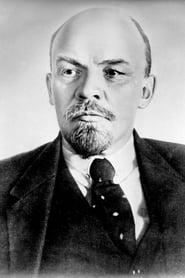
Vladimir Lenin
Actor
Born: April 22, 1870 in Simbirsk, Russian Empire (now Ulyanovsk, Russia) Died: January 21, 1924 Active: 1934-1934 (posthumous archival appearances) Birth Name: Vladimir Ilyich Ulyanov
Films
1 film
About Vladimir Lenin
Vladimir Ilyich Lenin — Russian revolutionary, politician, and political theorist who served as the first and founding head of government of Soviet Russia from 1917 to 1924 and of the Soviet Union from 1922 to 1924. He was the founder of the Russian Communist Party, leader of the Bolshevik Revolution, and architect of the Soviet state. Lenin developed Marxist-Leninist political philosophy and was political figures of the 20th century. His image and speeches were extensively documented through photographs and early film recordings, which later appeared in numerous Soviet propaganda films. The documentary 'Three Songs About Lenin' (1934) used archival footage of Lenin to create a tribute to his legacy. Lenin died in 1924, a decade before this documentary was produced, making his appearance possible only through preserved film records.
The Craft
Milestones
- Led the Bolshevik Revolution (1917)
- Established Soviet Russia (1917-1922)
- Founded the Soviet Union (1922)
- Developed Marxist-Leninist ideology
- Subject of 'Three Songs About Lenin' documentary (1934)
Best Known For
Iconic Roles
Must-See Films
Accolades
Special Recognition
- Body preserved and displayed in Lenin's Mausoleum
- Numerous cities and institutions named after him
- Lenin Prize established in his honor (1925)
Working Relationships
Worked Often With
Studios
Why They Matter
Impact on Culture
Lenin's image and speeches became central to Soviet propaganda and were extensively used in cinema to promote communist ideology. His preserved film appearances in documentaries like 'Three Songs About Lenin' helped establish the cult of personality that surrounded him after death. These films were instrumental in shaping the historical narrative of the Russian Revolution and Soviet founding for generations of Soviet citizens.
Lasting Legacy
Lenin's cinematic legacy exists primarily through archival footage and documentaries that used his image to reinforce Soviet ideology. His appearances in film, though posthumous, made him. The documentary 'Three Songs About Lenin' directed by Dziga Vertov is considered a masterpiece of Soviet documentary filmmaking and demonstrates how Lenin's image was used to create emotional and political impact.
Who They Inspired
Lenin's use in film influenced how political propaganda was created in the Soviet Union and other communist countries. His documented speeches and public appearances became templates for political filmmaking, and his image in cinema helped establish standards for portraying revolutionary leaders in film worldwide.
Off Screen
Lenin was married to Nadezhda Krupskaya, a fellow revolutionary who remained his lifelong companion. He had no biological children but was close to his family, including his brother Alexander who was executed for revolutionary activities. Lenin's health declined after a 1918 assassination attempt, and he suffered several strokes beginning in 1922 that eventually led to his death.
Education
Kazan State University (expelled), Saint Petersburg State University (law degree external program)
Family
- Nadezhda Krupskaya (1898-1924)
Did You Know?
- Lenin died 10 years before 'Three Songs About Lenin' was made, appearing only through archival footage
- The film 'Three Songs About Lenin' was directed by documentary filmmaker Dziga Vertov
- Lenin was one of the first political leaders to be extensively filmed and photographed
- His speeches were some of the earliest political recordings preserved on film
- The documentary uses three songs to structure its tribute to Lenin's legacy
- Lenin's image appeared in hundreds of Soviet films during the communist era
- His preserved body in Moscow's Red Square made him a physical symbol as well as cinematic one
- The film was part of Stalin's efforts to elevate Lenin's status after his death
- Lenin's film appearances helped create the template for political documentaries worldwide
- His real surname was Ulyanov, with 'Lenin' being his revolutionary pseudonym
In Their Own Words
Film is for us the most important of the arts - on Lenin's views on cinema (attributed)
There are no morals in politics; there is only expedience. A scoundrel may be of use to us just because he is a scoundrel
The history of all hitherto existing society is the history of class struggles
Frequently Asked Questions
Who was Vladimir Lenin?
Russian revolutionary and political leader who founded the Soviet Union and led the Bolshevik Revolution in 1917. He appears in 'Three Songs About Lenin' (1934) through archival footage, as he died in 1924, a decade before the documentary was made.
What films is Vladimir Lenin best known for?
Titles linked here include Three Songs About Lenin (1934).
When was Vladimir Lenin born and when did he die?
Born April 22, 1870; died January 21, 1924.
What awards did Vladimir Lenin win?
As a political leader rather than an actor, Lenin did not receive film industry awards. However, the Lenin Prize was established in his honor and became one of the Soviet Union's highest awards for achievements in science, literature, and arts.
What was Vladimir Lenin's role in cinema?
Lenin was not an actor but a political figure whose speeches and appearances were documented in early film. His image was extensively used posthumously in Soviet documentaries and propaganda films, most notably in 'Three Songs About Lenin' (1934).