Films
1 film
About Władysław Grabowski
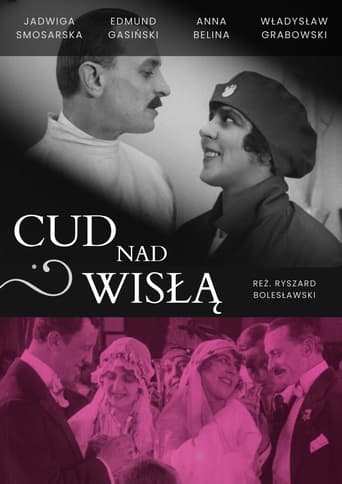
Władysław Grabowski is credited on a single production — The Miracle at the Vistula (1921). His film career was notably brief, with his only documented film appearance being in the 1921 historical war film 'Cud nad Wisłą' (The Miracle at the Vistula). This film was significant as one of the earliest Polish productions depicting the pivotal Battle of Warsaw from the Polish-Soviet War of 1920. Grabowski was part of the emerging Polish cinema scene during the early 1920s, a period when the country's film industry was still in its infancy. Like many actors of his generation, he may have primarily worked in theater before transitioning to film. His appearance in 'The Miracle at the Vistula' places him among the pioneers of Polish cinema, though his career in motion pictures appears to have been limited to this single production. The lack of extensive documentation about his career suggests he may have returned to theatrical work or pursued other endeavors after this brief foray into cinema.
The Craft
On Screen
As a silent film actor from Poland's early cinema era, Grabowski would have employed the exaggerated physical gestures and facial expressions typical of silent film performance, though specific details about his acting technique are not documented.
Milestones
- Appeared in 'The Miracle at the Vistula' (1921), one of Poland's earliest historical war films
Best Known For
Iconic Roles
Must-See Films
Why They Matter
Impact on Culture
Władysław Grabowski's contribution to Polish cinema, while limited to a single film appearance, represents an important part of Poland's early film history. His participation in 'The Miracle at the Vistula' places him among the actors who helped establish Polish cinema during its formative years in the early 1920s. This film was particularly significant as it dealt with recent national history, reflecting the cultural importance of preserving and commemorating Poland's struggle for independence through the new medium of cinema.
Lasting Legacy
Władysław Grabowski's legacy is primarily that of a pioneer of Polish cinema, representing the generation of actors who participated in the country's first wave of feature film production. While his filmography was limited, his appearance in one of Poland's earliest historical films makes him part of the foundation upon which Polish cinema was built. His work shows the early efforts to create a national cinema in newly independent Poland following World War I.
Who They Inspired
Due to the brevity of his film career and the limited documentation of his work, specific influences that Władysław Grabowski may have had on subsequent Polish actors or filmmakers cannot be definitively traced. However, as part of the first generation of Polish film actors, he contributed to establishing the conventions and traditions of Polish film performance that would evolve in subsequent decades.
Off Screen
Very limited information is available about Władysław Grabowski's personal life. As was common for many early film actors, especially those with brief careers, detailed biographical records were not extensively maintained or have been lost over time.
Did You Know?
- Appeared in one of Poland's earliest historical war films
- His only known film role was in 'The Miracle at the Vistula' (1921)
- The film he appeared in depicted events from just one year prior to its release
- His active years covered only during the silent era of Polish cinema
- Like many early Polish film actors, detailed records of his life and career are scarce
- The film he appeared in was one of the first Polish productions to tackle recent historical events
- His acting career coincided with the early years of Poland's independence after World War I
Frequently Asked Questions
Who was Władysław Grabowski?
Screen credits include early Polish cinema, most notably in the 1921 film 'The Miracle at the Vistula.' His film career was brief, with this being his only documented film appearance.
What films is Władysław Grabowski best known for?
Titles linked here include The Miracle at the Vistula (1921).
When was Władysław Grabowski born and when did he die?
Born 1883; died 1961.
What awards did Władysław Grabowski win?
There are no documented awards or nominations for Władysław Grabowski, which was common for actors during the very early years of Polish cinema when formal award systems had not yet been established.
What was Władysław Grabowski's acting style?
As a silent film actor from Poland's early cinema era, Grabowski would have employed the dramatic physical gestures and expressive facial acting typical of silent film performance, though specific details about his individual style are not documented in historical records.