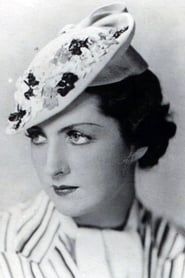
Jadwiga Smosarska
Actor
Born: September 23, 1898 in Warsaw, Poland Died: November 1, 1971 Active: 1918-1939 (primary film career), with occasional post-war appearances Birth Name: Jadwiga Filipina Smosarska
Films
1 film
About Jadwiga Smosarska
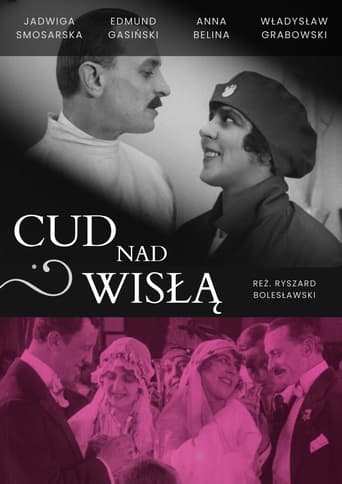
Jadwiga Smosarska was one of Poland's most beloved and popular film actresses during the silent era and early sound period, often referred to as the 'Polish Mary Pickford' due to her immense popularity and screen presence. Born in Warsaw in 1898, she began her career on the stage before transitioning to cinema, where she quickly became a sensation following her breakthrough performance in 'The Miracle at the Vistula' (1921). Throughout the 1920s and early 1930s, she starred in numerous successful films, becoming the highest-paid actress in Polish cinema and a national icon. Her performances were characterized by their emotional depth and natural charm, making her particularly effective in dramatic and romantic roles. Smosarska successfully made the transition from silent to sound films, though her career began to wane as new stars emerged in the mid-1930s. During World War II, she was involved in underground theater activities, demonstrating her commitment to Polish culture during difficult times. After the war, she made occasional appearances but largely retired from public life, remaining a respected figure in Polish cultural history until her death in 1971.
The Craft
On Screen
Smosarska was known for her naturalistic acting style that combined emotional intensity with a gentle, approachable screen presence. Her performances in silent films were particularly noted for their expressive use of facial expressions and body language, effectively conveying complex emotions without dialogue. She specialized in playing strong female characters who often represented the ideal Polish woman - virtuous, resilient, and deeply emotional. Her acting technique was influenced by her theatrical background, bringing a stage-trained precision to her film performances while maintaining the intimacy required for cinema.
Milestones
- Breakthrough role in 'The Miracle at the Vistula' (1921)
- Became Poland's highest-paid actress in the 1920s
- Successful transition from silent to sound films
- Starred in over 30 films during her career
- Known as the 'Polish Mary Pickford' for her popularity
- Participated in underground theater during WWII
Best Known For
Iconic Roles
Must-See Films
Accolades
Won
- State Award, First Class (Poland) - for contributions to Polish cinema
Special Recognition
- Order of Polonia Restituta
- Order of the Banner of Work
- Golden Cross of Merit
Working Relationships
Worked Often With
Studios
Why They Matter
Impact on Culture
Jadwiga Smosarska was instrumental in establishing Polish cinema as a significant cultural force during the interwar period. Her popularity helped legitimize film as an art form in Poland and inspired a generation of Polish actors and filmmakers. As one of the first true Polish film stars, she demonstrated that Polish cinema could produce personalities capable of competing with international stars. Her films often portrayed Polish values and traditions, helping to reinforce national identity during a period of Poland's renewed independence. Smosarska's success also proved that there was a domestic market for Polish-language films, encouraging investment in the national film industry.
Lasting Legacy
Jadwiga Smosarska remains a legendary figure in Polish cinema history, remembered as the quintessential star of Poland's silent film era. Her films are preserved and studied as important examples of early Polish cinematography, and her performances continue to be analyzed for their artistic merit and cultural significance. The 'Jadwiga Smosarska Award' was established in her honor to recognize outstanding contributions to Polish cinema. Her life story has been the subject of documentaries and academic studies, cementing her status as a cultural icon. Smosarska's career represents the golden age of Polish cinema before World War II, and her work continues to inspire contemporary Polish filmmakers and actors.
Who They Inspired
Smosarska influenced generations of Polish actresses through her naturalistic acting style and her ability to convey deep emotion with subtlety. Her success proved that Polish actresses could achieve international recognition, paving the way for later Polish stars like Pola Negri and Zofia Wichłacz. Her dedication to preserving Polish culture during difficult times set an example for artists working under political pressure. Contemporary Polish directors often reference her work when discussing the development of Polish film acting techniques, and her approach to character development continues to be studied in Polish film schools.
Off Screen
Jadwiga Smosarska married Zygmunt Modzelewski, a prominent Polish politician and diplomat who served as Poland's Foreign Minister from 1951-1956. Their marriage connected her to one of Poland's most influential political families. Despite her fame, Smosarska maintained a relatively private personal life and was known for her dedication to Polish culture and arts. During World War II, she and her husband were involved in resistance activities, with Smosarska participating in underground theatrical performances. The couple had no children, and Smosarska devoted much of her later life to preserving Polish cultural heritage.
Education
Graduated from Warsaw Drama School, received theatrical training in Warsaw before entering films
Family
- Zygmunt Modzelewski (married in 1931 until his death in 1959)
Did You Know?
- Was nicknamed the 'Polish Mary Pickford' due to her immense popularity
- Was the highest-paid actress in Polish cinema during the 1920s
- Her film 'The Miracle at the Vistula' was one of the first major Polish historical epics
- Made a successful transition from silent to sound films, unlike many of her contemporaries
- Her husband Zygmunt Modzelewski was Poland's Foreign Minister from 1951-1956
- Participated in underground resistance theater during Nazi occupation
- Never had children, dedicating her life to her art and cultural preservation
- Received multiple state honors for her contributions to Polish culture
- Her films were often censored or banned during the communist era for their patriotic themes
- Was one of the few Polish silent film stars whose career continued successfully into the sound era
In Their Own Words
Cinema is not just entertainment; it is the mirror of our national soul
In every role, I tried to show the strength and resilience of the Polish woman
The stage taught me discipline, but cinema taught me intimacy
Art must serve the people, especially in difficult times
Frequently Asked Questions
Who was Jadwiga Smosarska?
Jadwiga Smosarska was one of Poland's most popular and beloved film actresses of the silent era and early sound period, known as the 'Polish Mary Pickford' for her immense popularity and starring roles in over 30 films from 1918 to 1939.
What films is Jadwiga Smosarska best known for?
She is best known for 'The Miracle at the Vistula' (1921), which was her breakthrough role, along with other notable films like 'The Unthought' (1921), 'The Curse of the Strong' (1928), 'The Leper' (1936), and 'The Last Road' (1939).
When was Jadwiga Smosarska born and when did she die?
Jadwiga Smosarska was born on September 23, 1898, in Warsaw, Poland, and died on November 1, 1971, in Warsaw at the age of 73.
What awards did Jadwiga Smosarska win?
She received the State Award, First Class from Poland for her contributions to cinema, along with several honors including the Order of Polonia Restituta, Order of the Banner of Work, and the Golden Cross of Merit.
What was Jadwiga Smosarska's acting style?
Smosarska was known for her naturalistic acting style that combined emotional intensity with a gentle screen presence, excelling at conveying complex emotions through facial expressions and body language in silent films, while maintaining theatrical precision in her performances.
How did Jadwiga Smosarska impact Polish cinema?
She was instrumental in establishing Polish cinema as a cultural force, becoming the first true Polish film star and proving there was a domestic market for Polish-language films, while helping legitimize cinema as an art form in Poland.
Was Jadwiga Smosarska married?
Yes, she married Zygmunt Modzelewski in 1931, who later became Poland's Foreign Minister from 1951-1956. They remained married until his death in 1959 and had no children together.