Harold M. Shaw
Actor & Director
Born: November 3, 1877 in Tennessee, United States Died: January 30, 1926 Active: 1910-1926 Birth Name: Harold Marvin Shaw
Films
6 films
About Harold M. Shaw
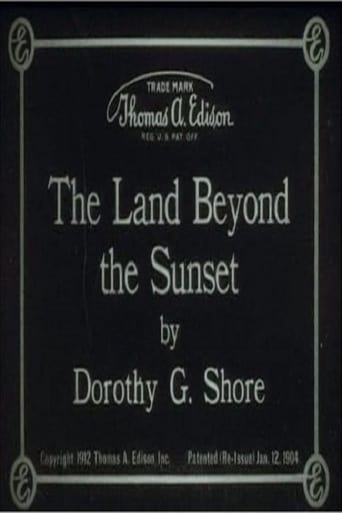
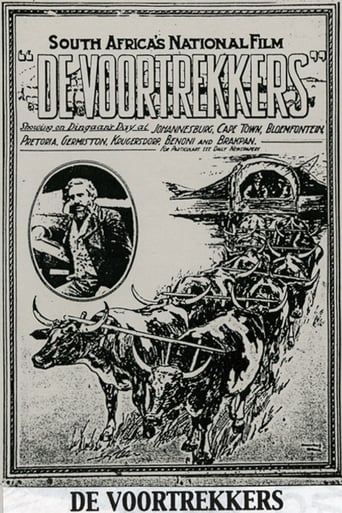
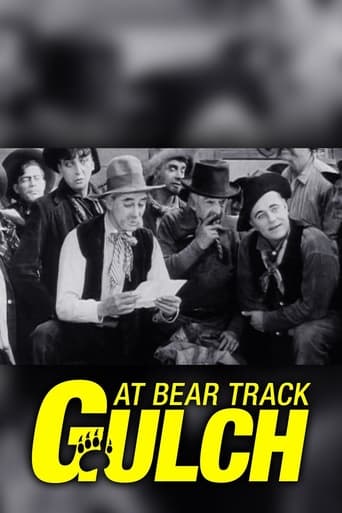
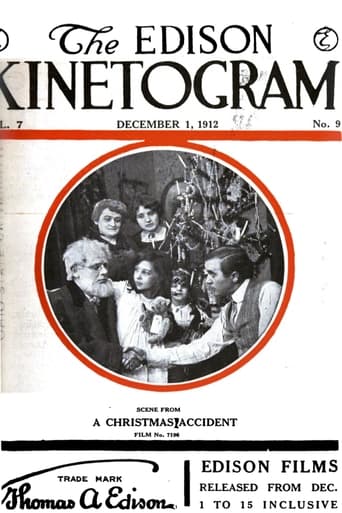
American film director who emerged as one of the filmmakers during the early silent era. Beginning his career around 1910 with Edison Studios, Shaw quickly established himself as a versatile director capable of handling both dramatic shorts and feature-length productions. His 1912 film 'The Land Beyond the Sunset' became particularly notable for its social commentary and is often cited as an early example of socially conscious cinema. Throughout his career, Shaw directed numerous films for various studios including Edison, Thanhouser, and later for independent production companies. His work spanned multiple genres, from Westerns like 'At Bear Track Gulch' to family dramas such as 'A Christmas Accident.' By the mid-1910s, Shaw had transitioned into directing more ambitious projects including the historical epic 'Winning a Continent' in 1916. His career continued through the 1910s and into the early 1920s, though his prominence diminished as the film industry evolved and new directors emerged. Shaw passed away in 1926, just as the film industry was transitioning toward the sound era, leaving behind a legacy as one of the early craftsmen of American cinema.
The Craft
Behind the Camera
Harold M. Shaw's directing style was characterized by its efficiency and emotional clarity, typical of the early silent era directors who had to convey complex narratives with limited technical resources. His films often featured straightforward storytelling with a focus on moral themes and social commentary, particularly evident in works like 'The Land Beyond the Sunset.' Shaw demonstrated particular skill in working with child actors and creating poignant family dramas, while his Westerns showcased an ability to handle action sequences within the technical constraints of the period. His visual approach emphasized clear compositions and expressive performances, helping audiences understand character motivations and emotional states without dialogue.
Milestones
- Directed 'The Land Beyond the Sunset' (1912), considered an early masterpiece of social commentary
- work with Edison Studios during the formative years of American cinema
- Successfully transitioned from short films to feature-length productions
- Directed the historical epic 'Winning a Continent' (1916)
- Established himself as a reliable director for multiple genres including Westerns and dramas
Best Known For
Must-See Films
Accolades
Special Recognition
- Selected for preservation in the National Film Registry for 'The Land Beyond the Sunset' (2016)
Working Relationships
Worked Often With
Studios
Why They Matter
Impact on Culture
Harold M. Shaw contributed significantly to the development of narrative cinema during its formative years, particularly through his work at Edison Studios where he helped establish conventions of American filmmaking. His film 'The Land Beyond the Sunset' stands as an important early example of cinema addressing social issues, particularly the plight of urban children, demonstrating that film could be a medium for social commentary as well as entertainment. Shaw's work helped bridge the gap between the simple actualities of early cinema and the complex narrative features that would dominate the industry by the late 1910s. His films, though rarely seen today, represent the craftsmanship and storytelling ambitions of early American directors who were essentially inventing the language of cinema as they worked.
Lasting Legacy
Harold M. Shaw's legacy rests primarily on his contribution to early American cinema during its most experimental and formative decade. While not as widely remembered as some of his contemporaries like D.W. Griffith, Shaw's films, particularly 'The Land Beyond the Sunset,' have been recognized by film historians and preservationists as important artifacts of early American filmmaking. The selection of 'The Land Beyond the Sunset' for preservation in the National Film Registry in 2016 has brought renewed attention to Shaw's work and his role in developing narrative cinema. His career exemplifies the journey of many early film directors who began in the short film format and adapted to the industry's evolution toward feature-length productions. Shaw represents the generation of filmmakers who established the foundations upon which Classical Hollywood cinema would be built.
Who They Inspired
Harold M. Shaw influenced subsequent generations of filmmakers through his demonstrated ability to convey complex emotional narratives within the technical limitations of early cinema. His work with social themes in films like 'The Land Beyond the Sunset' helped establish cinema as a medium capable of addressing serious social issues, paving the way for later socially conscious filmmakers. Shaw's efficient directing style and clear storytelling techniques provided models for directors working within the studio system that would dominate Hollywood in subsequent decades. While his direct influence on specific filmmakers is difficult to trace due to the limited documentation of early cinema, his body of work contributed to the development of American film grammar and narrative conventions that would become standardized in Classical Hollywood cinema.
Off Screen
Harold M. Shaw was born in Tennessee in 1877 and later moved to the New York area where he entered the burgeoning film industry. He married and had children, though specific details about his family life remain relatively undocumented in historical records. Shaw was part of the first generation of American film directors who helped establish cinema as a legitimate art form and commercial enterprise. His career coincided with the major transformation of American cinema from short novelty films to feature-length narrative productions. He spent his final years in Los Angeles, the emerging center of American film production, where he passed away in 1926 at the age of 48.
Did You Know?
- 'The Land Beyond the Sunset' was selected for preservation in the United States National Film Registry in 2016, being deemed 'culturally, historically, or aesthetically significant'
- Shaw began his film career during the transitional period when American cinema was moving from actualities to narrative films
- Many of his films were produced at Edison's studio in the Bronx, New York
- He was active during the same period as other early American film pioneers like D.W. Griffith and Cecil B. DeMille
- His film 'The Cry of the Children' (1912) was part of a wave of socially conscious films addressing child labor issues
- Shaw worked during the era before the studio system was fully established, allowing directors more creative freedom
- His active years covered the period when American cinema transformed from short one-reel films to feature-length productions
- Like many early directors, Shaw often wrote or contributed to the screenplays of his films
Frequently Asked Questions
Who was Harold M. Shaw?
American on YTB.my. He worked primarily with Edison Studios and directed both short films and early feature-length productions, becoming known for his socially conscious themes and efficient storytelling style.
What films is Harold M. Shaw best known for?
Titles linked here include The Land Beyond the Sunset (1912), A Christmas Accident (1912).
When was Harold M. Shaw born and when did he die?
Born November 3, 1877; died January 30, 1926.
What awards did Harold M. Shaw win?
During his lifetime, Harold M. Shaw did not receive major industry awards, as the formal award systems like the Academy Awards were established after his most active period. However, his film 'The Land Beyond the Sunset' was posthumously selected for preservation in the National Film Registry in 2016.
What was Harold M. Shaw's directing style?
Shaw's directing style was characterized by emotional clarity and efficiency, typical of early silent era directors. He focused on straightforward storytelling with moral themes, demonstrated skill in working with child actors, and created films that addressed social issues while remaining accessible to audiences of his time.