Films
1 film
About Gloria Browne
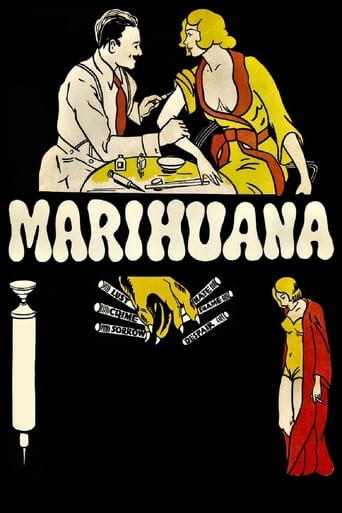
Gloria Browne is credited on a single production — Marihuana (1936). Emerging during the height of the 'exploitation era,' where independent producers bypassed the Hays Code to create sensationalist content, Browne was cast as the character Nicky. Her performance captured the era's melodramatic approach to social warnings, portraying a young woman caught in a downward spiral of vice and tragedy. Despite the film's low-budget origins, Browne's participation placed her in the unique lineage of 'Roadshow' cinema, which traveled across the country to provide forbidden thrills under the guise of education. Her career was characteristic of many 'one-hit' performers of the Depression era who found work in the burgeoning independent fringe of Hollywood rather than the major studio system. While her filmography is extremely limited, her contribution to the 'Reefer Madness' subgenre of cautionary tales has ensured her a permanent place in the annals of cult cinema history.
The Craft
On Screen
Browne utilized a highly emotive and theatrical acting style typical of the 1930s exploitation genre. Her performance relied on exaggerated facial expressions and dramatic gestures to convey the moral degradation and eventual despair required by the film's didactic narrative. This style was designed to resonate with audiences in rural and small-town theaters who were accustomed to the high-stakes melodrama of the silent era transition.
Milestones
- Cast in a leading role in the Dwain Esper-produced exploitation film 'Marihuana' (1936)
- Became a face of the 1930s 'anti-drug' cautionary film movement
- Participated in the 'Roadshow' circuit of independent film distribution
- Featured in promotional materials for
Best Known For
Iconic Roles
Must-See Films
Accolades
Special Recognition
- Recognized in cult cinema retrospectives for her role in the Dwain Esper collection
Working Relationships
Worked Often With
Studios
Why They Matter
Impact on Culture
Gloria Browne's impact is tied to the cultural phenomenon of the 'forbidden' film. By appearing in 'Marihuana,' she became a vessel for the social anxieties of 1930s America regarding youth rebellion and substance abuse. These films, while often dismissed by critics of the time, served as a precursor to the modern cult film movement and provided a blueprint for how independent cinema could thrive outside the Hollywood mainstream by targeting niche, sensation-seeking audiences.
Lasting Legacy
Browne's legacy is preserved through the preservation of 'Marihuana' by film historians and cult movie enthusiasts. She represents the 'forgotten' actors of the exploitation era who, despite having no major studio backing, reached millions of viewers through unconventional distribution. Her image continues to appear in documentaries and books detailing the history of drug cinema and the evolution of the Motion Picture Production Code.
Who They Inspired
Her performance influenced the archetype of the 'fallen woman' in later B-movies and exploitation cinema of the 1940s and 50s. The template established by her character—innocence lost to a single bad decision—became a staple of the educational and hygiene films that followed for decades.
Off Screen
Very little is documented regarding Gloria Browne's life outside of her 1936 film appearance. Like many actors in the exploitation circuit, she likely worked as a model or stage performer in Los Angeles before being recruited for independent productions. Records of her later life remain elusive, suggesting she may have left the industry shortly after her film debut to pursue a private life or a different career path.
Did You Know?
- Browne's film was directed by Dwain Esper, the same man responsible for the notorious 'Maniac' (1934).
- Because the film was not submitted to the Hays Office for a seal of approval, it could show content that major studio films could not.
- Browne's character, Nicky, undergoes.
- The film was rediscovered in the 1970s and became a staple of midnight movie screenings alongside 'Reefer Madness'.
In Their Own Words
I didn't know. I didn't know it would be like this! (Context: Nicky expressing regret as her life spirals out of control in 'Marihuana')
Frequently Asked Questions
Who was Gloria Browne?
American actress best known for her leading role in the 1936 exploitation film 'Marihuana.' She was a prominent figure in the independent 'roadshow' cinema circuit of the 1930s.
What films is Gloria Browne best known for?
Titles linked here include Marihuana (1936).
When was Gloria Browne active in Hollywood?
Born circa 1915; died death date not listed.
What was Gloria Browne's acting style?
She employed a dramatic, sensationalist acting style that was characteristic of low-budget cautionary films, focusing on high emotional stakes and moral conflict.
Why is Gloria Browne significant to film history?
She is significant as a representative of the independent performers who operated outside the major studio system, contributing to the history of cult cinema and the 'Reefer Madness' era of filmmaking.