
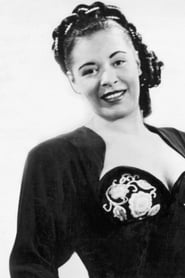
Billie Holiday
Actor
Born: April 7, 1915 in Philadelphia, Pennsylvania, USA Died: July 17, 1959 Active: 1933-1959 Birth Name: Eleanora Fagan
Films
1 film
About Billie Holiday
Billie Holiday, born Eleanora Fagan, was jazz singers of all time who also made notable appearances in early cinema. Though primarily celebrated for her revolutionary vocal style and emotional depth in music, she appeared in several films during the 1930s and 1940s, often performing her signature songs. Her film debut came in 1935's 'Symphony in Black,' a short subject that showcased her performing 'Saddest Tale.' Holiday's screen presence was characterized by the same raw emotion and authenticity that made her music, though her film career was limited compared to her musical achievements. Billie appears in 'New Orleans' (1947) alongside Louis Armstrong, and her life story was later dramatized in 'Lady Sings the Blues' (1972), though this was after her death. Despite battling personal demons and racial discrimination throughout her career, Holiday's brief but impactful film appearances helped preserve her performances for future generations and introduced her artistry to wider audiences.
The Craft
On Screen
Natural and authentic performance style characterized by deep emotional expression, bringing the same raw vulnerability and intensity from her musical performances to her screen appearances
Milestones
- Film debut in 'Symphony in Black' (1935)
- Performance in 'New Orleans' (1947)
- jazz vocal style
- Recording of 'Strange Fruit' became civil rights anthem
- Induction into Grammy Hall of Fame
Best Known For
Iconic Roles
Must-See Films
Accolades
Won
- Inducted into Grammy Hall of Fame (multiple recordings)
- Rock and Roll Hall of Fame induction (2000)
Nominated
- Grammy Hall of Fame nominations for multiple recordings
Special Recognition
- Rock and Roll Hall of Fame (Early Influence category)
- Grammy Lifetime Achievement Award (posthumous, 2008)
- NPR's 50 Great Voices list
- Library of Congress National Recording Registry
Working Relationships
Worked Often With
Studios
Why They Matter
Impact on Culture
Billie Holiday's impact extended far beyond music into broader cultural and social spheres. Her recording of 'Strange Fruit' in 1939 became one of the first powerful anti-lynching protest songs, demonstrating the potential of popular music as a vehicle for social commentary. Her film appearances, though limited, helped break racial barriers in cinema and brought jazz music to mainstream audiences. Holiday's unapologetic authenticity and emotional honesty influenced not just musicians but artists across all mediums, paving the way for more personal and confessional forms of artistic expression. Her life story became a symbol of both artistic triumph and the devastating effects of racism and addiction in America.
Lasting Legacy
Billie Holiday's legacy endures through her revolutionary contributions to jazz and her influence on popular culture. She transformed jazz singing from mere entertainment into profound artistic expression, establishing the template for the modern jazz vocalist. Her recordings continue to be studied and revered by musicians and scholars alike, with her vocal innovations still influencing contemporary artists decades after her death. Holiday's courage in addressing social issues through her art, particularly with 'Strange Fruit,' established a precedent for protest music that continues to this day. Her life story has inspired numerous books, documentaries, and films, ensuring that new generations discover her artistry and understand her significance in American cultural history.
Who They Inspired
Billie Holiday's influence on music and film is immeasurable. Her unique vocal approach, characterized by behind-the-beat phrasing, emotional depth, and improvisational genius, revolutionized jazz singing and influenced countless vocalists across genres. Frank Sinatra frequently cited her as his primary vocal influence, and artists from Janis Joplin to Amy Winehouse have drawn inspiration from her emotional authenticity. In film, her natural performance style and refusal to conform to stereotypical representations of African Americans helped pave the way for more authentic portrayals in cinema. Her willingness to address controversial subjects through her art opened doors for future artists to use their platforms for social commentary.
Off Screen
Billie Holiday led a tumultuous personal life marked by struggle and resilience. She never married but had significant relationships with various men, including trumpeter Joe Guy. She struggled with drug and alcohol addiction throughout her adult life, which led to legal troubles and imprisonment. Holiday had no children of her own but was known to be maternal toward younger musicians. Despite her personal challenges, she maintained close friendships within the jazz community and was respected for her artistic integrity and courage in addressing racial injustice through her art.
Education
Limited formal education; largely self-taught in music, learned through listening to records and performing in clubs
Did You Know?
- Born Eleanora Fagan, she took her stage name from actress Billie Dove and her presumed father Clarence Holiday
- Her autobiography 'Lady Sings the Blues' was largely ghostwritten but became a classic
- She was arrested on her deathbed for drug possession
- Her trademark gardenias in her hair started as a way to cover a burn on her forehead
- She performed at Carnegie Hall multiple times despite limited formal training
- Her voice range was less than an octave, yet she created extraordinary emotional impact
- She was posthumously inducted into the Rock and Roll Hall of Fame as an early influence
- Her recording of 'Strange Fruit' was considered so controversial that many radio stations refused to play it
- She never learned to read music, relying on her exceptional ear and musical memory
- Her final performance was in 1959, just months before her death at age 44
In Their Own Words
No two people on earth are alike, and it's got to be that way in music or it isn't music.
I can't stand to sing the same song the same way two nights in succession.
If I'm going to sing like someone else, then I don't need to sing at all.
You can be up to your boobies in white satin, with gardenias in your hair and no sugar cane for miles, but you can still be working on a plantation.
I hate straight singing. I have to change a tune to my own way of doing it. That's all I know.
Frequently Asked Questions
Who was Billie Holiday?
Billie Holiday was. While primarily celebrated for her music, she also appeared in several films during the 1930s-1950s, often performing her signature songs. Her active years covered from the early 1930s until her death in 1959, leaving an indelible mark on both music and cinema.
What films is Billie Holiday best known for?
Titles linked here include Symphony in Black (1935), New Orleans (1947).
When was Billie Holiday born and when did she die?
Born April 7, 1915; died July 17, 1959.
What awards did Billie Holiday win?
During her lifetime, Billie Holiday received limited formal recognition due to racial barriers and her personal struggles. However, posthumously, she has received numerous honors including induction into the Grammy Hall of Fame, the Grammy Lifetime Achievement Award (2008), and the Rock and Roll Hall of Fame (2000). Many of her recordings have been preserved in the Library of Congress National Recording Registry.
What was Billie Holiday's acting style?
Billie Holiday's screen presence was characterized by the same raw authenticity and emotional intensity that defined her musical performances. She brought a natural, unforced quality to her film appearances, often simply being herself while performing. Her style was deeply personal and confessional, creating an intimate connection with audiences that transcended the limitations of her technical training.