
Films
2 films

About Charu Roy
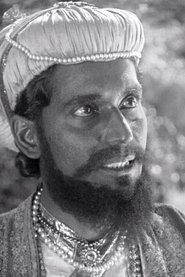
Indian actor who emerged during the silent film era of Indian cinema in the late 1920s. Charu appears in two significant Indo-German co-productions that were among the earliest internationally recognized Indian films. His career, though brief, coincided with a pivotal period when Indian cinema was establishing its artistic identity on the global stage. Roy worked with director Franz Osten and producer Himansu Rai, who were instrumental in creating cinematic bridges between Eastern and Western storytelling traditions. His performances in these ambitious productions demonstrated the potential of Indian actors in international cinema during a time when the film industry was still in its infancy. Despite his limited filmography, Charu Roy contributed to films that are now considered landmarks in the history of Indian cinema, representing the country's early forays into international co-productions and artistic filmmaking.
The Craft
On Screen
As a silent film actor, Charu Roy would have employed exaggerated facial expressions and body language typical of the era, using pantomime techniques to convey emotions and narrative without dialogue. His performances in these artistic productions likely drew from both traditional Indian theatrical traditions and emerging cinematic acting styles of the 1920s.
Milestones
- Starred in 'Shiraz: A Romance of India' (1928), an internationally acclaimed silent film
- Appeared in 'A Throw of Dice' (1929), part of the trilogy of Indo-German co-productions
- Worked with director Franz Osten
- Participated in early Indo-German cinematic collaborations
- Contributed to silent era Indian cinema's international recognition
Best Known For
Iconic Roles
Must-See Films
Working Relationships
Worked Often With
Studios
Why They Matter
Impact on Culture
Charu Roy's participation in these early Indo-German co-productions contributed to the internationalization of Indian cinema during its formative years. These films were among the first to present Indian stories and culture to global audiences, helping establish India's presence in world cinema. The productions he was involved in demonstrated that Indian actors could effectively collaborate with international filmmakers, paving the way for future cross-cultural cinematic endeavors.
Lasting Legacy
Though his filmography was limited to two films, Charu Roy's work is preserved in cinema history through his contributions to two of the most significant silent films from India. These films are now studied as important examples of early Indian cinema and international co-production. His performances represent the artistic aspirations of Indian cinema during its silent era, when filmmakers were experimenting with both traditional storytelling and modern cinematic techniques.
Who They Inspired
As an early actor in Indian cinema's international ventures, Charu Roy was part of a generation that helped establish the foundation for future Indian actors to work in international productions. His work in these films demonstrated that Indian performers could effectively communicate universal emotions through the silent medium, influencing how Indian actors would approach performance in subsequent decades.
Off Screen
Very limited information is available about Charu Roy's personal life, which is common for actors from the silent era of Indian cinema. Detailed records of personal lives were not systematically maintained during this early period of Indian filmmaking.
Did You Know?
- Both films Charu Roy appeared in were part of a trilogy of Indo-German co-productions
- 'A Throw of Dice' was based on an episode from the Indian epic Mahabharata
- These films were among the first Indian productions to gain international distribution
- The films were shot on location in India with German technical expertise
- Both productions featured large casts and elaborate sets for their time
- The films were recently restored by the British Film Institute
- These productions helped establish Indian cinema's artistic credentials internationally
- The films were silent but featured musical scores by European composers
Frequently Asked Questions
Who was Charu Roy?
Screen credits include two significant Indo-German co-productions in 1928-1929. He worked with filmmakers during a crucial period when Indian cinema was establishing its international presence.
What films is Charu Roy best known for?
Titles linked here include Shiraz: A Romance of India (1928), A Throw of Dice (1929).
When was Charu Roy born and when did he die?
Specific birth and death dates for Charu Roy are not documented in available historical records, which is common for actors from the silent era of Indian cinema. He was active as an actor from 1928-1929.
What awards did Charu Roy win?
No specific awards or nominations for Charu Roy are documented, as formal award systems for cinema were not yet established during his brief acting career in the late 1920s.
What was Charu Roy's acting style?
As a silent film actor, Charu Roy would have used exaggerated facial expressions and body language typical of the era, employing pantomime techniques to convey emotions and story without dialogue, likely blending Indian theatrical traditions with cinematic acting styles of the 1920s.