
Shiraz: A Romance of India
"Mughal at the edge"
Keys: Space play/pause · ←/→ 10s · F fullscreen · M mute · </> speed
About this film
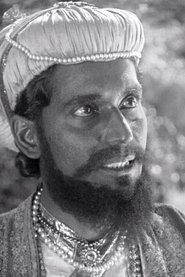
A historical romance set in the Mughal Empire. Selima is a princess-foundling raised by a potter and loved by her brother, Shiraz. She is abducted and sold as a slave to Prince Khurram, later Emperor Shah Jehan, who falls for her, to the chagrin of the wily Dalia.
Cast & crew
More films like this


More Romance films
View all →




More from Franz Osten
View all →

More about this film
About the production
Release date1928-10-29
Box officeUnknown, but was successful internationally particularly in Britain and Germany
ProductionMadan Theatres Ltd., British Instructional Films
Filmed inJaipur, India, Agra, India, Mumbai (Bombay), India
The film was shot entirely on location in India over several months, utilizing authentic Mughal architecture and costumes. The production employed hundreds of local extras and craftsmen to recreate the opulence of the Mughal court. The elephant trampling scene was filmed using careful camera angles and editing techniques to ensure safety while maintaining dramatic impact. The film featured extensive color tinting by hand, a labor-intensive process that added visual richness to key sequences.
Themes
Love and sacrificeArtistic creationClass differencesDestiny and fateCultural heritage
Themes & topics
Mughal EmpireTaj MahalHistorical romanceIndian historyRoyal courtArt and architectureSacrificeEternal loveBlindnessFoundlingSlave tradeElephant execution
Historical background
Made in its country of production around 1928, Shiraz: A Romance of India belongs to the late silent period. Its story of a historical romance set in the mughal empire spoke to audiences of the day through familiar genres and topical settings.
Why this film matters
Archivists and historians still cite Shiraz: A Romance of India when tracing how the late silent period filmmakers staged historical and romance on screen.
Making of
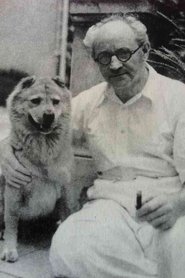
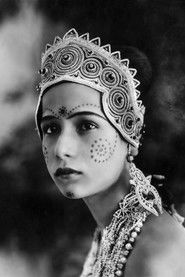
The making of 'Shiraz' was a remarkable example of early international collaboration in cinema. German director Franz Osten, along with his cinematographer Emil Schünemann, traveled to India to work with Indian producer-actor Himansu Rai. The production faced numerous challenges including extreme weather conditions, communication barriers between the German and Indian crew members, and the logistical complexity of filming at multiple historical sites. The casting process was particularly interesting - Himansu Rai discovered Enakshi Rama Rau while she was performing in a stage play and immediately cast her as Selima. The film's elaborate costumes and sets required months of preparation, with local craftsmen working tirelessly to recreate the splendor of the Mughal era. The production was notably progressive for its time, employing many local Indian technicians and crew members in significant roles, rather than treating them merely as laborers.
What critics said
Reviews from 1928 weighed Shiraz: A Romance of India on pacing, performance, and novelty. Later criticism reads its emphasis on historical, romance, mughal through modern standards of craft and representation.
Did you know?
- This was one of the earliest international co-productions between Britain and India, setting a precedent for cross-cultural filmmaking
- Director Franz Osten was a German filmmaker who made several films in India during the 1920s as part of a unique collaboration with Indian producer Himansu Rai
- The film's star Himansu Rai was not only the lead actor but also the producer and driving force behind the Indo-German film partnership
- The Taj Mahal sequences were filmed at the actual monument, with special permission from British authorities
- The film was considered lost for decades until a complete print was discovered in the British Film Institute archives
- Enakshi Rama Rau, who played Selima, was discovered by Himansu Rai and this was her film debut
- The film featured authentic Indian classical dance sequences performed by professional dancers from the region
- The production used actual Indian artisans to create the period costumes and props, ensuring historical accuracy
- The film was released in both silent and synchronized sound versions for different markets
- The elephant used in the film was a trained performing elephant named Moti, who was specially hired from a royal stable
Awards & recognition
- No major awards were given for silent films in 1928, but it received critical acclaim at international film festivals
Visual style
The cinematography by Emil Schünemann was groundbreaking for its time, featuring sweeping shots of Indian landscapes and architecture that captured the grandeur of the Mughal Empire. The film made extensive use of natural lighting, particularly in outdoor sequences at historical monuments. Schünemann employed innovative camera techniques including dramatic low angles to emphasize the majesty of the architecture and intimate close-ups to capture the emotional nuances of the performances. The film featured carefully composed tableaus that drew inspiration from Mughal miniature paintings, creating a distinctive visual aesthetic. The use of color tinting added emotional depth to key sequences, with warm amber tones for romantic scenes and cool blue tones for moments of tragedy.
Innovations
The film was technically ambitious for its era, featuring complex location shooting at multiple historical sites across India. The production utilized innovative camera mounting techniques to capture dynamic shots of the Taj Mahal and other monuments. The film's special effects, particularly in the elephant trampling sequence, were achieved through clever editing and camera tricks rather than dangerous stunts. The extensive use of color tinting was a labor-intensive process that required each frame to be hand-colored for certain sequences. The film also featured elaborate makeup and prosthetics to age characters convincingly over the span of several decades in the story.
Music
As a silent film, 'Shiraz' was originally accompanied by live musical performances in theaters. The score typically combined Western classical music with traditional Indian instruments and melodies, reflecting the film's cross-cultural nature. Some theaters employed full orchestras while others used smaller ensembles or even single pianists. The musical accompaniment was carefully synchronized with the on-screen action, with specific musical motifs associated with different characters and emotional states. In recent years, new musical scores have been composed for the restored version, including a notable score by the British group Muse Quality that blends Indian and Western musical traditions.
Famous quotes
Love builds monuments that time cannot destroy
In blindness, I see more clearly the beauty I once could only glimpse
The Taj will stand as eternal witness to a love that death itself could not end
Memorable scenes
- The dramatic elephant trampling sequence where Shiraz is saved at the last moment
- The reveal of Selima's royal identity through the pendant
- The final scene showing the elderly, blind Shiraz designing the Taj Mahal from memory
- The lavish court dance sequence featuring authentic Indian classical dance
- The emotional farewell between Selima and her adoptive family
What audiences thought
The film was well-received by audiences both in India and internationally, particularly in Britain and Germany where it enjoyed successful theatrical runs. Indian audiences appreciated the film's celebration of their cultural heritage and the dignified portrayal of their history. Western audiences were captivated by the film's exotic settings and lavish production values. The film's romantic storyline and spectacular visuals transcended cultural barriers, making it accessible to diverse audiences. Despite being a silent film, its emotional power and visual storytelling resonated strongly with viewers of the era. The film's success helped establish a market for Indian films internationally and encouraged further cross-cultural collaborations.
Film connections
Influenced by
- German Expressionist cinema
- Mughal miniature paintings
- Indian classical dance traditions
- Historical epics of the 1920s
This film influenced
- Mughal-e-Azam (1960)
- Taj Mahal (1963)
- Jodhaa Akbar (2008)
- Bajirao Mastani (2015)
Film restoration
The film was considered partially lost for decades but a complete 35mm print was discovered and preserved by the British Film Institute. The BFI undertook a major restoration project in the early 2000s, which included digital restoration of damaged footage and reconstruction of missing intertitles from surviving scripts. The restored version premiered at the 2009 Cannes Film Festival and has since been screened at film festivals worldwide. The restored film is now part of the BFI National Archive and is considered one of the best-preserved examples of early Indian cinema.
Where to watch
- The Criterion Collection streaming service
- British Film Institute Player
- MUBI streaming platform
- Various film festival screenings
- Specialized cinema archives and museums
- DVD/Blu-ray releases from the British Film Institute