
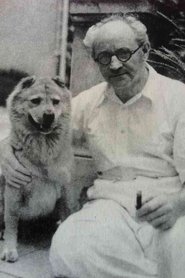
Franz Osten
Director
Born: April 23, 1876 in Munich, Kingdom of Bavaria, German Empire Died: December 2, 1956 Active: 1928-1938
Films
9 films


About Franz Osten
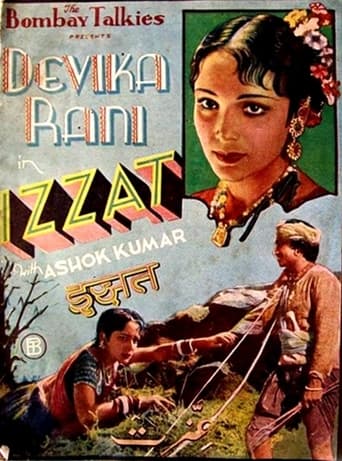
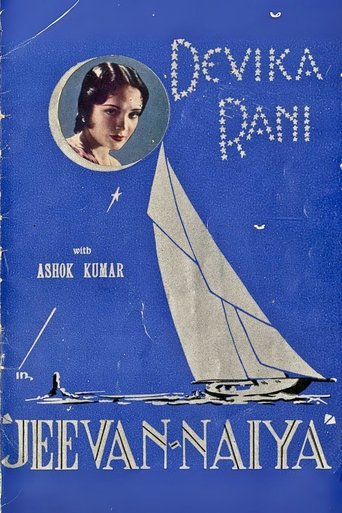
German film director best known for his work in early Indian cinema during the silent era and the first decade of sound. Born in Munich, he began his career in Germany and later became one of the key European filmmakers to work extensively in India, where he collaborated closely with Himanshu Rai and the Bombay Talkies circle. Osten directed several landmark productions in the 1920s and 1930s, including the silent spectacles Shiraz: A Romance of India and A Throw of Dice, both notable for their cross-cultural production values, visual elegance, and international ambitions. In the sound era, he continued to direct socially resonant and commercially significant films such as Janmabhoomi, Jeevan Naiya, and Untouchable Girl, helping shape the early grammar of Hindi cinema. His work is often remembered for its technical polish, sophisticated staging, and sensitivity to Indian settings and themes despite his European background. Osten’s career was cut short by the political upheavals of the Second World War, after which he was interned in India and eventually returned to Germany. He in the history of world cinema as a bridge between European filmmaking traditions and the formative decades of Indian film production.
The Craft
Behind the Camera
Franz Osten’s directing style is associated with careful composition, classical visual balance, and a polished, almost ceremonial approach to storytelling. In his silent films, he favored elaborate settings, graceful camera placement, and a strongly pictorial sense of space that suited historical and romantic subjects. In India, he adapted his style to local themes and performance traditions while retaining a disciplined European mise-en-scène, resulting in films that combined emotional directness with technical sophistication. His work often emphasizes spectacle, atmosphere, and controlled pacing, but it also shows an interest in social issues and human relationships, especially in the early sound films. Because he was working in collaborative multinational productions, his style is also notable for its ability to mediate between Western production methods and Indian narrative and cultural forms.
Milestones
- Directed the internationally admired silent epics Shiraz: A Romance of India (1928) and A Throw of Dice (1929), two of the most celebrated Indo-German productions of the silent era.
- Became a foundational European collaborator in the development of Indian studio filmmaking through his association with Himanshu Rai and later Bombay Talkies.
- Helped establish a refined visual and technical standard for early Hindi-language social dramas in the mid-1930s.
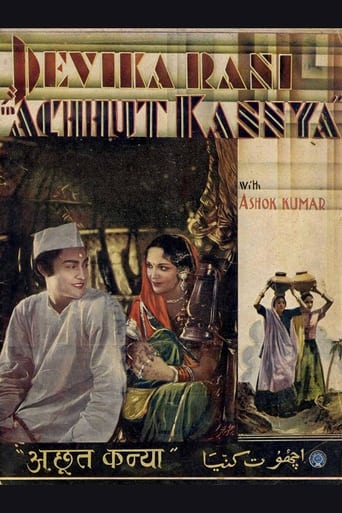
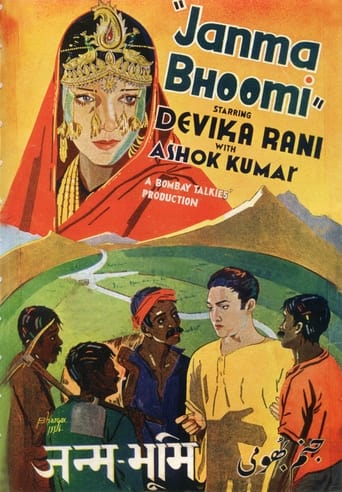
- Directed major early talkies including Janmabhoomi (1936), Jeevan Naiya (1936), and Untouchable Girl (1936), which are important in the history of socially conscious Indian cinema.
- Worked during a transitional period that connected silent-era international coproductions with the emerging Hindi studio system.
- Is remembered as one of the earliest directors to achieve significant artistic and commercial recognition across both German and Indian film cultures.
Best Known For
Must-See Films
Working Relationships
Worked Often With
Studios
Why They Matter
Impact on Culture
Franz Osten played a significant role in connecting European filmmaking craft with the emerging Indian studio system at a crucial formative moment in South Asian cinema. His silent collaborations with Himanshu Rai helped introduce Indian themes, settings, and performance styles to international audiences through lavish production values and technically ambitious storytelling. In the early sound period, his films contributed to the consolidation of Bombay Talkies as. His name remains associated with the international dimension of Indian film history, especially the Indo-German collaborative phase that broadened the possibilities of what Indian cinema could look and feel like. For historians, he is important not simply as a foreign director working in India, but as a filmmaker who participated in the shaping of one of the industry’s earliest major transnational film cultures.
Lasting Legacy
Osten’s legacy lies in his role as a transnational director whose films helped define the aesthetics of early Indian studio cinema. Shiraz: A Romance of India and A Throw of Dice are now regularly discussed as landmark silent-era productions because they combine Indian subject matter with sophisticated European visual design, making them enduring examples of early global cinema. His sound-era work also matters because it sits at the intersection of reformist storytelling, studio professionalism, and the star-making culture that would soon dominate Hindi cinema. Although his name is less widely known to general audiences than those of later Indian directors, film historians value him as an early architect of the cross-cultural exchange that shaped Bombay Talkies and influenced the evolution of Hindi filmmaking. His career demonstrates how cinema in the 1920s and 1930s was already an international art form, with talent, capital, and artistic ideas moving across borders in ways that anticipated later global film production.
Who They Inspired
Franz Osten influenced the visual and production standards of early Indian cinema by bringing a disciplined European sensibility to Indian stories and studio practices. His collaboration with Indian producers and performers helped normalize the idea of large-scale, technically polished Hindi films aimed at both domestic and international audiences. He also had an indirect but important influence on later Bombay Talkies filmmakers by participating in the studio culture that launched or shaped major figures such as Ashok Kumar and Devika Rani. More broadly, his films remain reference points for directors and scholars interested in transnational production, silent-era spectacle, and the early evolution of socially aware Indian narrative cinema.
Off Screen
Franz Osten’s personal life is not as extensively documented in popular film histories as his professional work, and many biographical accounts focus primarily on his Indian film career. He was born and trained in Germany before moving into international filmmaking, and much of his adult life was tied to cross-cultural production work in India. During the Second World War, he was interned in India along with other German nationals, a political circumstance that effectively ended his career there. After his return to Germany, he lived a quieter later life away from the major centers of film production. Detailed public information about his marriages, family relationships, and children is limited in readily available historical sources.
Education
He was educated in Germany, but detailed records of formal schooling or film training are not consistently documented in standard film references.
Did You Know?
- He was.
- Shiraz: A Romance of India is often cited for its sumptuous production design and its romanticized depiction of historical India.
- A Throw of Dice is remembered as.
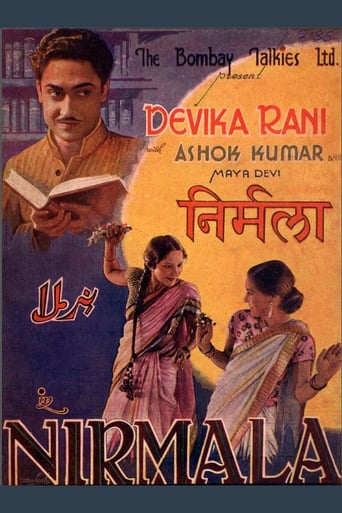
- He directed Achhut Kanya, one of the landmark socially conscious films of the 1930s, though it is sometimes more strongly associated with its production context than with his name alone.
- His career is closely linked to Himanshu Rai, whose vision for transnational filmmaking brought Osten to India.
- He worked during the transition from silent films to talkies and adapted his style to the new sound era.
- His career in India was interrupted by wartime internment, a major historical event that affected many foreign nationals on the subcontinent.
- He is frequently discussed in histories of Bombay Talkies as part of the studio’s early, international phase.
Frequently Asked Questions
Who was Franz Osten?
German on YTB.my. He is especially important in film history for his collaboration with Himanshu Rai and for helping shape the early visual and production style of Bombay Talkies.
What films is Franz Osten best known for?
Titles linked here include Shiraz: A Romance of India (1928), A Throw of Dice (1929).
When was Franz Osten born and when did he die?
Born April 23, 1876; died December 2, 1956.
What awards did Franz Osten win?
No major internationally documented awards or formal honors are commonly listed for Franz Osten in standard film references. His recognition comes primarily from his historical importance and the lasting reputation of his films rather than from a widely recorded award record.
What was Franz Osten's directing style?
His directing style combined classical European composition with a strong sense of spectacle and atmosphere. In India, he adapted that polished visual approach to local stories, giving his films a refined studio look while maintaining emotional clarity and social relevance.
Why is Franz Osten important in film history?
He is important because he helped bridge European and Indian cinema at a formative moment, especially through the silent Indo-German productions of the late 1920s. His work also contributed to the early artistic identity of Bombay Talkies and to the development of socially conscious Hindi film.