Nirmala
"She doesn't take second place to the men, besting all but one in the annual exams"
Keys: Space play/pause · ←/→ 10s · F fullscreen · M mute · </> speed
About this film
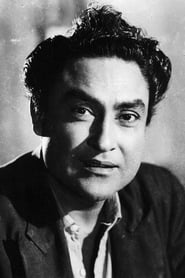
Nirmala (Devika Rani) is a modern girl - young, beautiful, dressed in the latest fashions, attends college, and is even the only female in an all-male class. She doesn't take second place to the men, besting all but one in the annual exams. She tied with Ramdas (Ashok Kumar).
Cast & crew
More films like this
More Drama films
View all →







More from Franz Osten
View all →
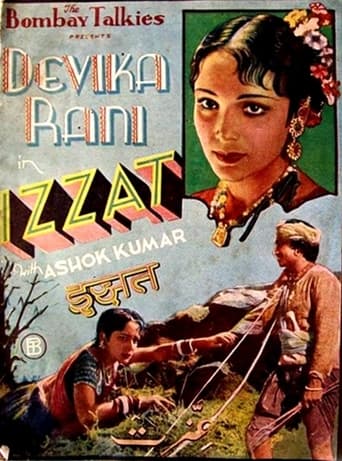
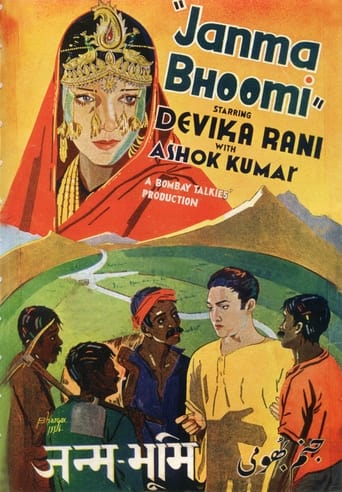
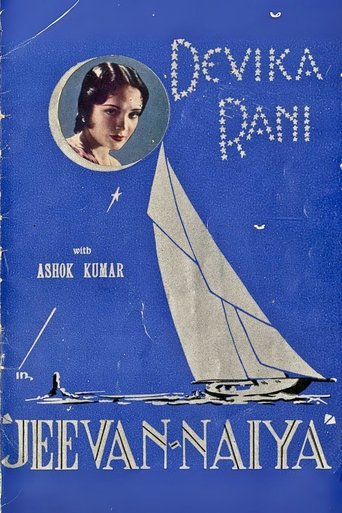

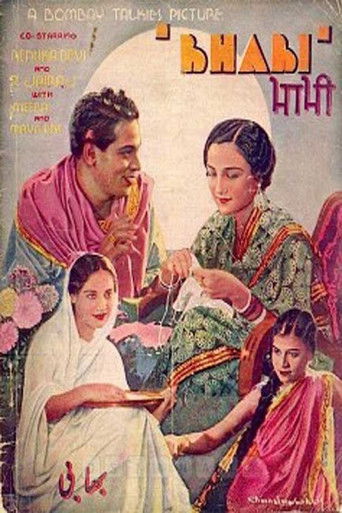

More about this film
About the production
Release date1938
BudgetNot publicly documented
Box officeNot publicly documented
ProductionBombay Talkies
Filmed inBombay (now Mumbai), India
Nirmala was one of the early social films produced by Bombay Talkies, reflecting the changing social dynamics of 1930s India. The film was shot during a period when Indian cinema was transitioning from mythological and historical subjects to contemporary social themes. Franz Osten, a German director, brought European cinematic techniques to Indian storytelling, creating a unique blend of Western and Indian film aesthetics.
Themes
Modernity vs. TraditionWomen's EducationCultural IdentitySocial ReformGender Equality
Themes & topics
collegeeducationexaminationsmodern womantraditional valuesmarriagesocial conflictgender rolescultural changeindependence
Historical background
Nirmala (1938) emerged during the studio era and wartime cinema. Nirmala (Devika Rani) is a modern girl - young, beautiful, dressed in the latest fashions, attends college, and is even the only female in an all-male class. Archival records and catalog entries help place the work within film-history surveys of the period.
Why this film matters
Preserved under Wikidata ID Q10962766, Nirmala is valued as a screen drama within catalog and archive collections. Wikipedia's "Nirmala (1938 film)" entry connect it to broader histories of cinema exhibition and restoration.
Making of
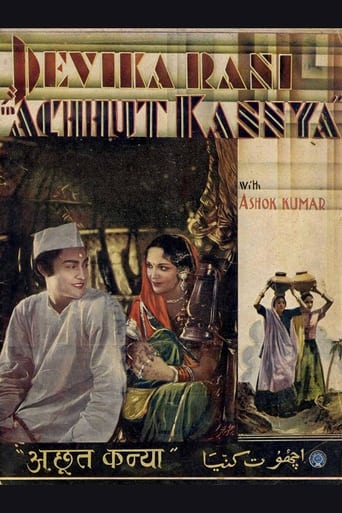
Nirmala was created during a transformative period at Bombay Talkies, which was founded by Himanshu Rai and Devika Rani. The studio had brought several German technicians, including director Franz Osten, to India to help establish a professional film industry. Osten, who had previously directed several successful films for Bombay Talkies including 'Achhut Kanya' (1936), brought his European cinematic sensibilities to Indian themes. The film's production reflected the studio's commitment to addressing contemporary social issues rather than relying solely on mythological stories. Devika Rani, who was also a co-founder of Bombay Talkies, took an active interest in the film's development, ensuring that the portrayal of the modern woman was both progressive and culturally sensitive. The chemistry between Devika Rani and Ashok Kumar was enhanced by their real-life relationship, which added authenticity to their on-screen performances.
What critics said
Trade and archival sources offer limited day-one review coverage for Nirmala. Modern reception rests on its availability in collections, repertory screenings, and reference works that document 1938 cinema.
Did you know?
- Nirmala was one of the early films to portray a modern, educated Indian woman as its protagonist, breaking from traditional female characterizations.
- The film featured Devika Rani and Ashok Kumar, who were real-life couple and especially popular screen pairs of their era.
- Director Franz Osten was originally from Germany and was part of the group of German technicians who helped establish Bombay Talkies.
- The film's theme of modernity versus tradition reflected the actual social debates happening in India during the pre-independence era.
- This was one of the early films to show a woman in college competing with men, a revolutionary concept for 1930s Indian cinema.
- The film was produced during the peak of Bombay Talkies' influence on Indian cinema before the outbreak of World War II.
- Nirmala's character represented the 'New Woman' archetype that was emerging in Indian literature and cinema during the 1930s.
- The film's success helped establish the social drama genre as commercially viable in Indian cinema.
Visual style
The cinematography of Nirmala reflected the influence of German expressionist techniques brought by director Franz Osten. The film used sophisticated lighting techniques to create mood and atmosphere, particularly in scenes depicting Nirmala's internal conflicts. The visual style blended European cinematic sensibilities with Indian aesthetic sensibilities, creating a unique visual language. The camera work was more dynamic than typical Indian films of the period, with thoughtful composition and framing that enhanced the storytelling. The film's visual approach helped establish a more realistic, less theatrical style of filmmaking that would influence subsequent Indian cinema.
Innovations
Nirmala showcased several technical innovations for its time, including sophisticated sound recording techniques that allowed for more natural dialogue delivery. The film employed advanced lighting methods that created depth and mood, moving beyond the flat lighting common in earlier Indian films. The editing techniques used in Nirmala were more sophisticated than typical Indian films of the period, with smoother transitions between scenes. The production quality reflected the influence of German technical expertise brought to Bombay Talkies, setting new standards for Indian film production. The film demonstrated how technical excellence could enhance storytelling in Indian cinema.
Music
The music for Nirmala was composed by Saraswati Devi, one of the first female music directors in Indian cinema. The soundtrack featured a blend of traditional Indian melodies and more contemporary musical arrangements, reflecting the film's theme of balancing tradition and modernity. The songs were used to advance the narrative and express the characters' emotions, particularly Nirmala's internal conflicts. The film's music was well-received and contributed to its popularity, with several songs becoming popular among audiences. The soundtrack demonstrated the evolving role of music in Indian cinema, moving beyond mere entertainment to become an integral part of storytelling.
Famous quotes
Education is not just about books; it's about understanding our place in a changing world.
A woman can be modern and still respect her traditions.
True progress comes when we honor our past while embracing our future.
Memorable scenes
- The examination hall scene where Nirmala competes with male students and ties with Ramdas for first place, symbolizing women's intellectual equality.
- The college classroom sequence showing Nirmala as the only female student, highlighting her courage and determination.
- The emotional confrontation scene where Nirmala expresses her conflict between modern aspirations and traditional desires.
What audiences thought
Nirmala was well-received by audiences upon its release in 1938, particularly among urban, educated viewers who could relate to its themes. The film's success at the box office demonstrated that Indian audiences were ready for more contemporary, socially relevant stories. The chemistry between Devika Rani and Ashok Kumar was a major draw for audiences, as they were especially popular screen pairs of the era. The film's message about balancing modernity with tradition resonated with many viewers who were navigating similar conflicts in their own lives. The movie helped establish Bombay Talkies' reputation for producing quality films that addressed contemporary social issues.
Film connections
Influenced by
- European cinema techniques
- German expressionism
- Indian social reform movements
- Women's rights movements
- Nationalist literature
This film influenced
- Subsequent social dramas in Indian cinema
- Films featuring educated female protagonists
- Movies addressing modernity vs. tradition themes
Film restoration
The film is partially preserved with some reels available at the National Film Archive of India, though complete restoration may be needed for full viewing. As with many films from this era, some portions may be lost or damaged.
Where to watch
- National Film Archive of India
- Film heritage festivals
- Specialized classic film streaming platforms (availability may vary)