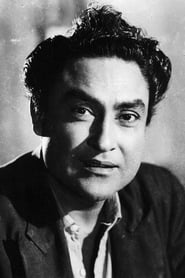
Ashok Kumar
Actor
Born: October 13, 1911 in Bhagalpur, Bengal Presidency, British India Died: December 10, 2001 Active: 1936-1997 Birth Name: Kumudlal Ganguly
Films
14 films
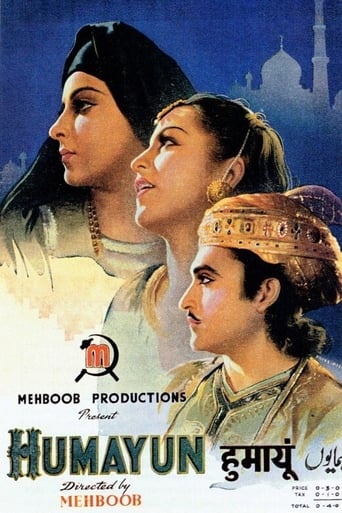
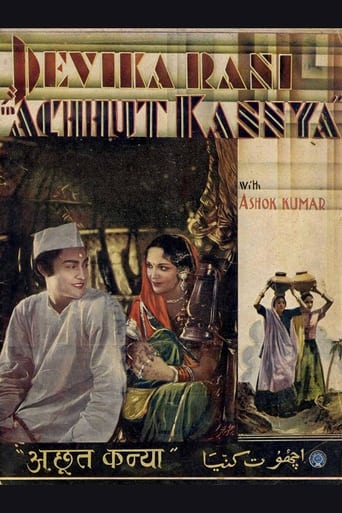
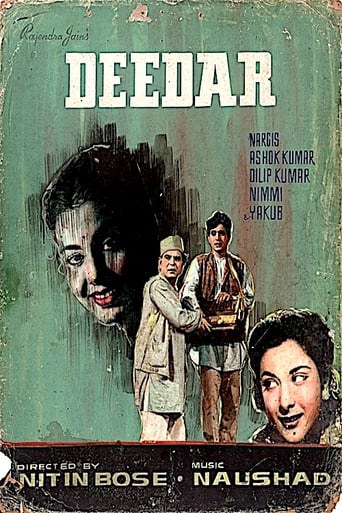
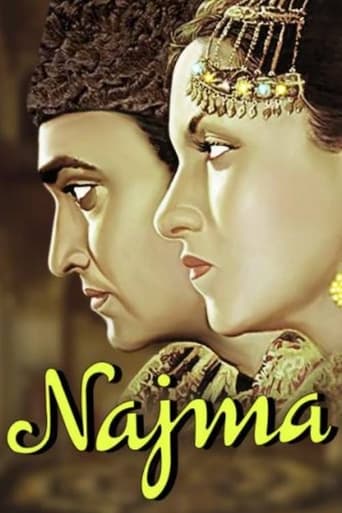
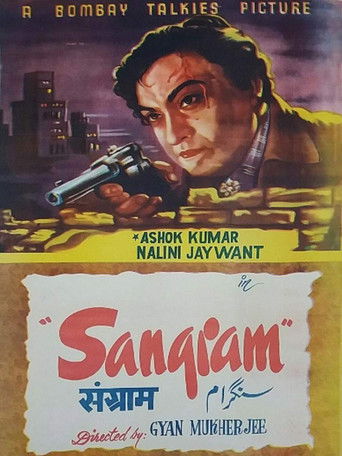
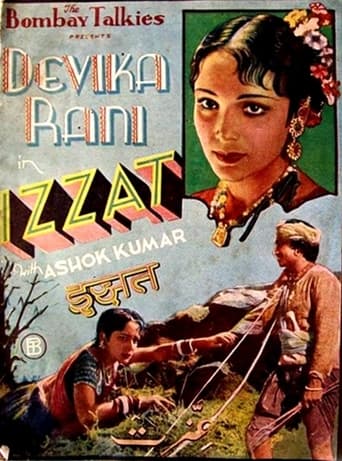
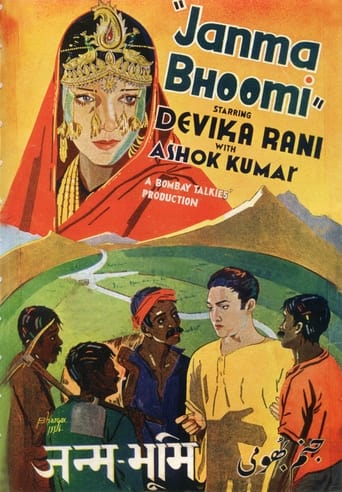
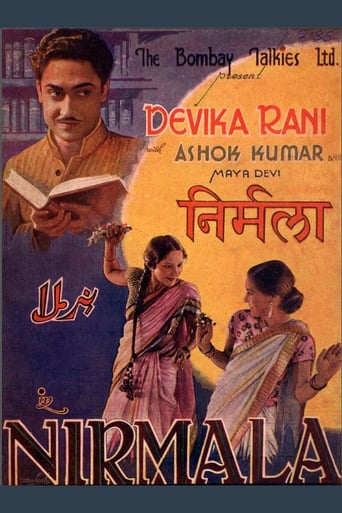


About Ashok Kumar
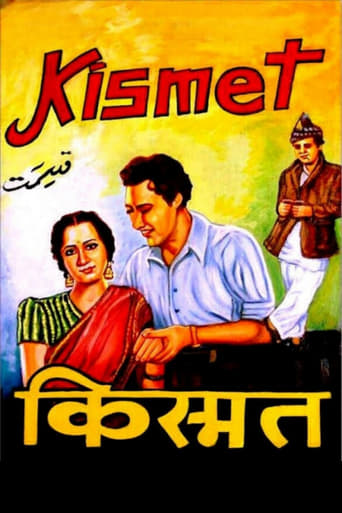
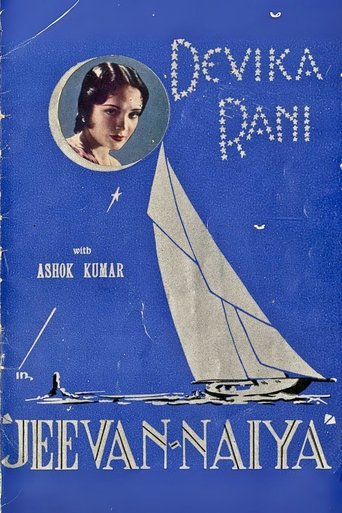
Ashok Kumar, born Kumudlal Ganguly, was a figure in Indian cinema and widely regarded as the first superstar of Bollywood. He began his career with Bombay Talkies in 1936, making his debut in 'Jeevan Naiya' opposite Devika Rani. His breakthrough came with films like 'Achhut Kanya' (1936) and 'Kismet' (1943), which became one of the biggest hits of its time and ran for over three years in theaters. Unlike the theatrical acting style prevalent in the 1930s, Ashok Kumar introduced a natural, understated performance style that influenced generations of actors. He successfully transitioned from leading man to character actor, showcasing remarkable versatility throughout his career spanning six decades. His contributions to Indian cinema were recognized with numerous prestigious awards, including the Dadasaheb Phalke Award and multiple Filmfare Awards. Beyond acting, he was also a successful producer and mentored many newcomers in the industry.
The Craft
On Screen
Pioneered naturalistic acting in Indian cinema, moving away from theatrical performances. He was known for his subtle expressions, realistic dialogue delivery, and ability to portray complex emotions with minimal exaggeration. His approach influenced the method acting movement in Indian films.
Milestones
- Debut in 'Jeevan Naiya' (1936)
- Breakthrough with 'Achhut Kanya' (1936)
- Record-breaking success with 'Kismet' (1943)
- First Filmfare Award for Best Actor (1957)
- Dadasaheb Phalke Award (1988)
- Successful transition to character roles in 1960s-70s
- Over 300 films in career spanning 6 decades
Best Known For
Iconic Roles
Must-See Films
Accolades
Won
- Filmfare Award for Best Actor for 'Bandhan' (1957)
- Filmfare Award for Best Actor for 'Ashirwad' (1968)
- Filmfare Award for Best Supporting Actor for 'Aashirwad' (1968)
- Filmfare Lifetime Achievement Award (1995)
- Dadasaheb Phalke Award (1988)
- Padma Shri (1962)
- Padma Bhushan (1973)
Nominated
- Multiple Filmfare nominations throughout 1950s-1970s
- National Film Award nominations
Special Recognition
- Dadasaheb Phalke Award (India's highest award in cinema)
- Padma Shri and Padma Bhushan civilian honors
- Filmfare Lifetime Achievement Award
- Star on Bollywood Walk of Fame
Working Relationships
Worked Often With
Studios
Why They Matter
Impact on Culture
Ashok Kumar revolutionized Indian cinema by introducing naturalistic acting at a time when theatrical performances were the norm. His portrayal of the anti-hero in 'Kismet' created a new archetype in Bollywood that influenced storytelling for decades. He broke barriers by playing characters that were morally ambiguous, paving the way for more complex protagonists in Indian cinema. His success in both leading and character roles demonstrated the longevity possible in film acting.
Lasting Legacy
Ashok Kumar is remembered as the first true superstar of Indian cinema and a trailblazer who modernized film acting in India. His natural style influenced generations of actors from Dilip Kumar to Amitabh Bachchan. He proved that actors could have successful careers spanning decades by adapting to changing times. The Ganguly family's contribution to Indian cinema through him and his brothers Kishore Kumar and Anoop Kumar remains unparalleled.
Who They Inspired
His natural acting style influenced the entire spectrum of Indian film acting, moving it away from stage theatrics to cinematic realism. He inspired actors to study their characters deeply and bring authenticity to their performances. Many actors, including Dilip Kumar, have cited him as an influence. His success in character roles in later life created a template for senior actors in Bollywood.
Off Screen
Ashok Kumar came from a family with strong connections to cinema and music. He married Shobha Ganguly in 1936 and they had four children together. He was known for his simple lifestyle despite his stardom and was deeply interested in homeopathy, which he practiced as a hobby. He was part of the famous Ganguly family which produced several legendary figures in Indian entertainment.
Education
Graduated from University of Calcutta, initially worked as a laboratory assistant before entering films
Family
- Shobha Ganguly (1936-2001, his death)
Did You Know?
- Was originally a laboratory assistant before being discovered for films
- His brother Kishore Kumar became a legendary playback singer and actor
- He was the first Indian actor to win a Filmfare Award
- His film 'Kismet' (1943) was the first Indian film to celebrate a 100-day run in theaters
- He practiced homeopathy and treated many colleagues and friends
- He was known as 'Dadamoni' (elder brother) affectionately in the industry
- He sang his own songs in early films before playback singing became common
- His active years covered from the early talkies era to the 1990s
- He was one of the few actors to successfully transition from hero to character roles
- He appeared in over 300 films in his 60-year career
- He was the first actor to play an anti-hero role in mainstream Indian cinema
In Their Own Words
Acting is not about becoming someone else, it's about finding yourself in the character
The camera doesn't lie, so you must be truthful in your emotions
Success in films is temporary, but the impact you leave on audiences is permanent
I never planned to be an actor, cinema chose me
Natural acting is the most difficult form of art because it requires complete honesty
Frequently Asked Questions
Who was Ashok Kumar?
Legendary Indian with credits in this catalog. Born Kumudlal Ganguly, he had a career spanning six decades and appeared in over 300 films, successfully transitioning from leading man to character actor.
What films is Ashok Kumar best known for?
Titles linked here include Kismet (1943), Achhut Kanya (1936).
When was Ashok Kumar born and when did he die?
Born October 13, 1911; died December 10, 2001.
What awards did Ashok Kumar win?
Ashok Kumar won numerous prestigious awards including the Dadasaheb Phalke Award (1988), Padma Shri (1962), Padma Bhushan (1973), two Filmfare Awards for Best Actor, one Filmfare Award for Best Supporting Actor, and the Filmfare Lifetime Achievement Award (1995).
What was Ashok Kumar's acting style?
Ashok Kumar pioneered naturalistic acting in Indian cinema, moving away from the theatrical style common in the 1930s. He was known for his subtle expressions, realistic dialogue delivery, and ability to portray complex emotions with minimal exaggeration, influencing generations of actors who followed.
How was Ashok Kumar related to Kishore Kumar?
Ashok Kumar was the eldest brother of Kishore Kumar, the legendary playback singer and actor. They had another brother, Anoop Kumar, who was also an actor. Together, the Ganguly brothers formed.
What was Ashok Kumar's contribution to Indian cinema?
Ashok Kumar revolutionized Indian cinema by introducing naturalistic acting, creating the anti-hero archetype in 'Kismet', and proving that actors could have successful careers spanning decades. He influenced the entire spectrum of Indian film acting and mentored many newcomers in the industry.