Janmabhoomi
"Protima Devi is in love with Dr"
Keys: Space play/pause · ←/→ 10s · F fullscreen · M mute · </> speed
About this film
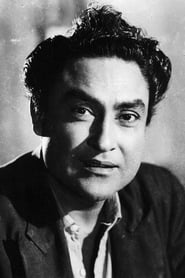
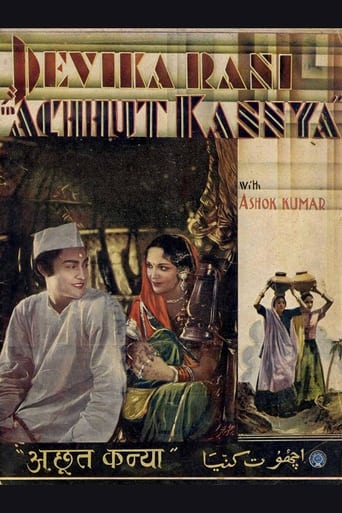
Protima Devi (Devika Rani) is in love with Dr. Ajoy Kumar Ghosh (Ashok Kumar), whom she has already accepted as her husband even though they are not married. Ajoy is living in a village where he is the only doctor.
Cast & crew
More films like this
More Romance films
View all →




More from Franz Osten
View all →
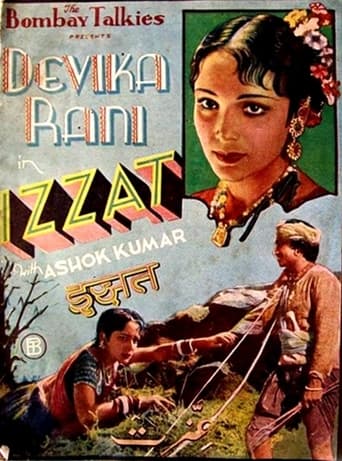
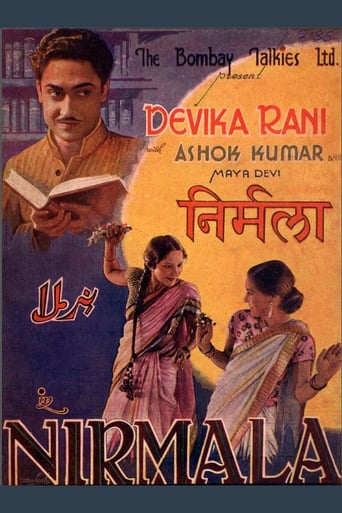
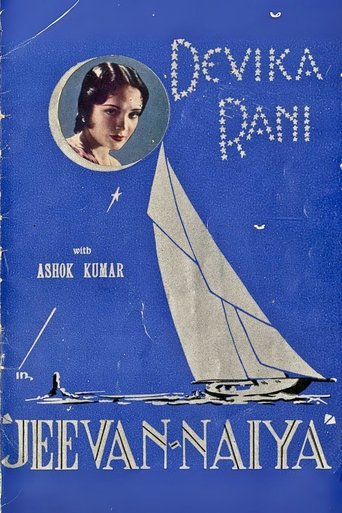

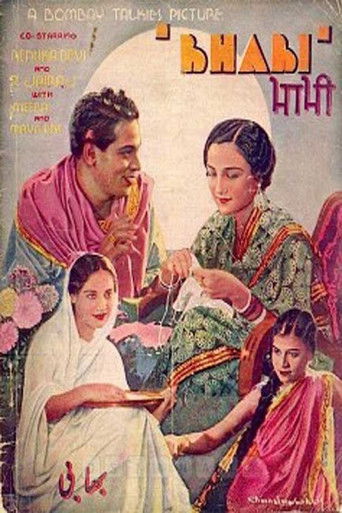

More about this film
About the production
Release dateJanuary 1, 1936
Box officeUnknown
ProductionBombay Talkies
Filmed inBombay (now Mumbai), India
Janmabhoomi was produced during the golden era of Bombay Talkies, under the leadership of Himanshu Rai and Devika Rani. The film was directed by Franz Osten, a German filmmaker who became one of India's most important early directors, bringing European cinematic techniques to Indian storytelling. The production faced challenges typical of the 1930s, including limited technical resources and the need to record sound live on set due to primitive recording technology. The film's nationalist themes were carefully crafted to avoid direct confrontation with British censorship while still resonating with Indian audiences' growing desire for independence.
Themes
Nationalism and PatriotismSocial Reform and JusticeRural DevelopmentClass HarmonyMoral Transformation
Themes & topics
villagezamindarindependence movementsocial reformpatriotismrural Indiaclass conflictmoral victorynationalist songsocial justicetransformationunityservice to humanity
Historical background
Janmabhoomi (1936) emerged during the studio era and wartime cinema. Protima Devi (Devika Rani) is in love with Dr. Archival records and catalog entries help place the work within film-history surveys of the period.
Why this film matters
Preserved under Wikidata ID Q10962716, Janmabhoomi is valued as a screen drama within catalog and archive collections. Wikipedia's "Janmabhoomi (1936 film)" entry connect it to broader histories of cinema exhibition and restoration.
Making of
The making of Janmabhoomi represented a significant moment in Indian cinema history, showcasing the collaboration between Indian talent and European expertise. Franz Osten, though German, had developed a deep understanding of Indian culture and sensibilities through his previous work with Bombay Talkies. The studio, founded by Himanshu Rai and Devika Rani, was known for its professional approach and technical innovation. During filming, the cast and crew worked under challenging conditions with limited equipment, yet managed to create a film that was both artistically ambitious and socially relevant. Devika Rani's involvement extended beyond acting; she was instrumental in shaping the creative direction of the studio's productions. The film's nationalist themes were handled with subtlety to avoid British censorship while still resonating with Indian audiences. The musical sequences, particularly the patriotic choruses, were rehearsed extensively to achieve the desired emotional impact. The collaboration between Osten's European cinematic techniques and Indian storytelling traditions created a unique hybrid style that influenced subsequent Indian filmmakers.
What critics said
Trade and archival sources offer limited day-one review coverage for Janmabhoomi. Modern reception rests on its availability in collections, repertory screenings, and reference works that document 1936 cinema.
Did you know?
- Janmabhoomi was one of the early films to feature the pair of Devika Rani and Ashok Kumar, who would go on to become one of Indian cinema's most iconic on-screen couples.
- Director Franz Osten was originally a German filmmaker who came to India with Himanshu Rai and made several successful films for Bombay Talkies before returning to Germany due to rising political tensions.
- The patriotic song 'Jai jai janani janmabhoomi' became extremely popular and was often sung at political gatherings during India's independence movement.
- The film was released during a period of growing nationalist sentiment in India, just over a decade before the country gained independence from British rule.
- Devika Rani, often called 'The First Lady of Indian Cinema,' was not only the lead actress but also heavily involved in the production aspects of Bombay Talkies films.
- The film's theme of zamindari (landlord) reform was highly relevant to the socio-economic conditions of rural India in the 1930s.
- Janmabhoomi was among the early Indian films to address class conflict and social reform, themes that would become central to Indian parallel cinema decades later.
- The film's success helped establish Ashok Kumar as a major star, launching his remarkable career that would span over five decades.
- The movie was shot using primitive sound recording equipment, requiring actors to perform their scenes live with musical accompaniment.
- Bombay Talkies was known for its technical sophistication and professional approach, setting new standards for the Indian film industry.
Visual style
The cinematography of Janmabhoomi, while limited by 1930s technology, showed remarkable artistry and technical competence for its time. The film utilized natural lighting effectively, particularly in outdoor scenes depicting rural landscapes, creating an authentic visual representation of village India. Close-ups were employed strategically to highlight emotional moments, especially during the patriotic song sequences. The camera work demonstrated European influences through Franz Osten's direction, with careful composition and movement that enhanced the storytelling. The film's visual style successfully captured the contrast between the opulent lifestyle of the zamindar and the modest existence of the villagers. Interior scenes were lit to create dramatic shadows and highlights, adding depth to the emotional content. The cinematography also effectively conveyed the scale of rural India through wide shots of fields and villages. The technical team at Bombay Talkies was known for its innovation, and this film demonstrated their ability to create visually compelling narratives within technical constraints. The black and white photography used tonal variations effectively to distinguish between different social classes and emotional states. The visual narrative supported the film's themes of social transformation through careful framing and movement.
Innovations
Janmabhoomi showcased several technical achievements that were notable for Indian cinema in 1936. The film was produced by Bombay Talkies, which was known for its technical sophistication and professional approach to filmmaking. The sound recording, while primitive by modern standards, was among the best available in India at the time, with clear dialogue and musical reproduction. The film's editing demonstrated a sophisticated understanding of narrative pacing and emotional rhythm. The production design effectively created authentic rural settings within the constraints of studio filming. The film's success in blending multiple genres - romance, drama, and social commentary - represented an achievement in narrative construction. The synchronization of music and action, given the technical limitations of the era, was particularly impressive. The film's length of 142 minutes was ambitious for the period and required careful narrative management to maintain audience engagement. The lighting techniques used to create different moods for various scenes showed advanced understanding of cinematic visual language. The film's ability to convey complex social themes within the constraints of early cinema censorship demonstrated technical and narrative skill. The successful integration of European cinematic techniques with Indian storytelling traditions represented an important technical and artistic achievement for the Indian film industry.
Music
The soundtrack of Janmabhoomi was one of its most celebrated elements, featuring a collection of patriotic and folk-inspired songs that resonated deeply with audiences. The title song 'Jai jai janani janmabhoomi' became an anthem of sorts, widely adopted by the independence movement and sung at political gatherings across India. The music was composed in the tradition of Indian classical and folk music, adapted for the cinematic medium. The film's soundtrack included several choral numbers that emphasized themes of unity, patriotism, and social harmony. These songs served not only as entertainment but also as vehicles for conveying the film's social and political messages. The music was recorded live during filming, as was common in early Indian cinema, requiring performers to sing and act simultaneously. The soundtrack successfully blended traditional Indian musical forms with contemporary nationalist themes, creating a sound that was both familiar and inspiring. The patriotic choruses were particularly effective in rousing audience emotions and fostering a sense of national identity. The film's music helped establish the template for the patriotic song genre in Indian cinema, influencing countless subsequent films. The soundtrack's popularity extended beyond the film itself, with records of the songs becoming best-sellers and the songs being performed at cultural and political events.
Famous quotes
'Jai jai janani janmabhoomi' - The patriotic chorus that became an independence anthem
'The soil of our motherland nourishes both the rich and the poor alike' - Reflecting the film's theme of unity
'Service to the village is service to the nation' - Emphasizing the connection between rural development and national progress
'When hearts unite, no power can divide us' - Highlighting the theme of national unity
Memorable scenes
- The climactic scene where the zamindar undergoes a moral transformation and bequeaths his property to Ajau, symbolizing the triumph of righteousness
- The sequence where villagers unite to sing 'Jai jai janani janmabhoomi', creating a powerful moment of patriotic fervor
- The confrontation between Ajau and Sanatan, representing the conflict between selfless service and selfish exploitation
- The emotional scene where Protima tends to sick villagers, demonstrating her commitment to social service
- The final celebration scene where all classes join together in harmony, fulfilling the film's vision of class collaboration
What audiences thought
Janmabhoomi was warmly received by audiences across India, particularly resonating with viewers who identified with its nationalist themes and rural setting. The film's patriotic songs became immensely popular and were often sung by viewers long after leaving the theater. The chemistry between Devika Rani and Ashok Kumar continued to draw crowds, building on their previous successes together. Rural audiences appreciated the film's sympathetic portrayal of village life and its recognition of their struggles. The movie's message of hope and social transformation struck a chord with viewers during a period of political uncertainty and social change. The film's success at the box office helped establish Bombay Talkies as one of India's premier production houses. Many viewers reported being moved to tears by the emotional scenes and inspired by the patriotic elements. The film's popularity extended beyond major cities to smaller towns, where traveling exhibitors would screen it to enthusiastic crowds. The movie's themes of social justice and national pride contributed to discussions about India's future among audience members. The enduring popularity of the film's songs demonstrated how cinema could become part of the broader cultural and political movement for independence.
Film connections
Influenced by
- Gandhian Philosophy
- Indian Independence Movement
- German Expressionist Cinema
- Traditional Indian Folk Tales
- Social Reform Literature of the 1930s
This film influenced
- Later social films of Bombay Talkies
- Patriotic films of the 1940s
- Indian parallel cinema of the 1950s-60s
- Films addressing rural issues in Indian cinema
Film restoration
Like many films from the 1930s, Janmabhoomi faces preservation challenges. The National Film Archive of India (NFAI) has made efforts to preserve films from this era, but the nitrate stock used in the 1930s was unstable and many films have been lost or severely damaged. Some portions of the film may survive in various archives, but a complete, pristine version is unlikely to exist. The film's songs and some sequences have been preserved through audio recordings and film clips. Preservation efforts continue through various film archives and restoration projects dedicated to saving India's cinematic heritage.
Where to watch
- The National Film Archive of India (Pune) may have viewing access for researchers
- Film Heritage Foundation occasionally screens restored classics from this era
- Some clips may be available on YouTube and other video platforms
- The film might be accessible through specialized film archives and libraries
- Occasionally screened at classic film festivals and retrospectives on Indian cinema