Mumtaz Ali
Actor
Born: c. 1910-1915 in Bombay, British India Died: 1974 Active: 1936-1942
Films
5 films

About Mumtaz Ali
Character actor in early Indian cinema during the crucial transition period from silent films to talkies in the 1930s and early 1940s. He began his film career with Janmabhoomi in 1936 and quickly established himself as a reliable supporting actor who brought authenticity and depth to his roles. During his brief but impactful career spanning 1936-1942, he appeared in several significant films that helped shape early Hindi cinema's narrative conventions. His naturalistic acting style contrasted with the more theatrical approaches common in that era, helping establish a new standard for character acting in Bollywood. After retiring from acting, he focused on guiding his children's careers, particularly his son Mehmood who would become one of Indian cinema's most beloved comedians. Mumtaz Ali's contributions to early Indian cinema helped lay the foundation for the importance of supporting roles in film storytelling. His legacy continues through his family's multi-generational involvement in Indian cinema, making him part of one of Bollywood's most prominent film dynasties.
The Craft
On Screen
Mumtaz Ali was known for his naturalistic approach to character acting, which was revolutionary for his time when theatrical performances dominated Indian cinema. He brought authenticity and subtlety to his supporting roles, using grounded expressions and realistic mannerisms that contrasted sharply with the exaggerated acting styles common in the 1930s. His performances were marked by an understated yet impactful presence that made his characters integral to the narrative progression rather than mere background elements. He had remarkable versatility, able to portray both serious dramatic roles and lighter comedic characters with equal conviction and credibility.
Milestones
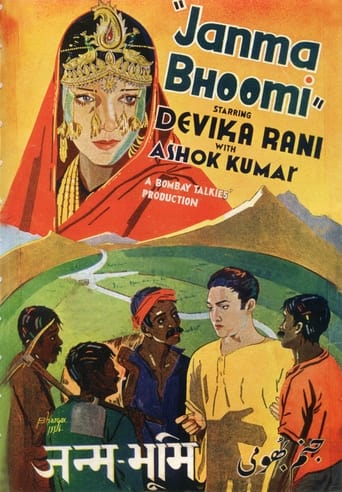
- Breakthrough role in Janmabhoomi (1936)
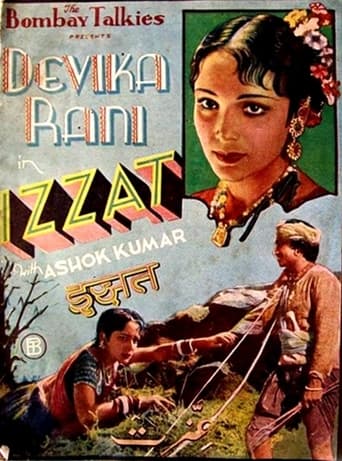
- Notable performance in Izzat (1937)
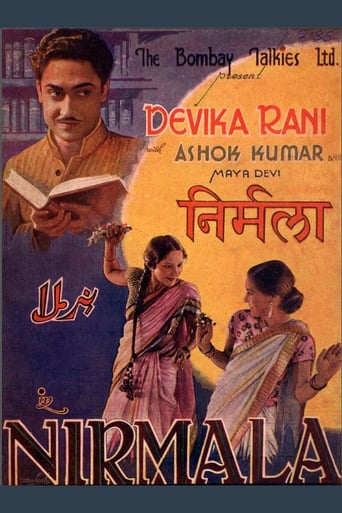
- Significant role in Nirmala (1938)
- Worked in The Rebel (1940)
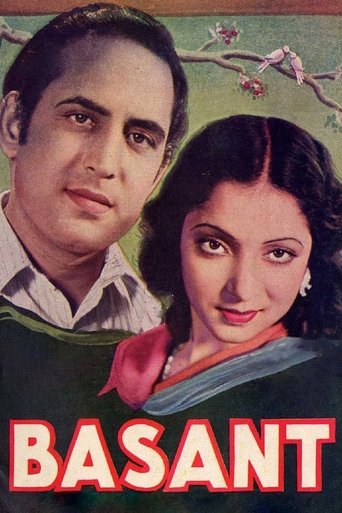
- Final film appearance in Basant (1942)
- Established foundation for character acting in Bollywood
- Part of early cinema transition from theatrical to naturalistic acting
Best Known For
Iconic Roles
Must-See Films
Accolades
Special Recognition
- Recognized as pioneer of character acting in early Indian cinema
- Remembered as foundational figure in Bollywood's supporting actor tradition
- Honored as patriarch of one of cinema's most influential families
Working Relationships
Worked Often With
Studios
Why They Matter
Impact on Culture
Mumtaz Ali made significant contributions to Indian cinema during its formative years by helping establish the importance and artistry of character acting. His naturalistic approach to supporting roles came during a crucial period when Hindi cinema was developing its identity and moving away from theatrical traditions toward more realistic performances. He demonstrated how supporting characters could be essential to narrative development rather than mere background elements, influencing how future generations would approach character roles. His work in the 1930s and early 1940s helped establish narrative conventions that would guide Indian cinema for decades, particularly in balancing lead performances with meaningful supporting characters.
Lasting Legacy
Mumtaz Ali's most enduring legacy is through his family's continued and multi-generational presence in Indian cinema. As the father of legendary comedian Mehmood and father-in-law of iconic actress Meena Kumari, he established a cinematic dynasty that has influenced Bollywood for over seven decades. His grandchildren, including singer Lucky Ali and actors Manzoor Ali, have continued the family's artistic tradition across multiple entertainment mediums. Beyond his family legacy, he is remembered as one of the early character actors who helped establish the artistic legitimacy and importance of supporting roles in Indian cinema. His approach to authentic, grounded performances influenced subsequent generations and contributed to the evolution of acting styles in Bollywood.
Who They Inspired
Mumtaz Ali influenced Indian cinema primarily through his naturalistic acting style at a time when theatrical performances were the norm. His approach demonstrated how character actors could elevate films through authentic, believable performances rather than exaggerated theatricality. Through his son Mehmood, he indirectly influenced Bollywood comedy for decades, as Mehmood became one of the industry's most innovative and beloved comic actors. The family's multi-generational involvement in cinema, beginning with Mumtaz Ali, represents one of the earliest examples of how film pioneers could establish lasting legacies through both their artistic contributions and their influence on subsequent generations of filmmakers and performers.
Off Screen
Mumtaz Ali was married and had several children who would go on to make significant contributions to Indian cinema, establishing one of Bollywood's most prominent film dynasties. He was known to be deeply supportive of his children's artistic ambitions and played an instrumental role in shaping their careers, particularly his son Mehmood's journey into comedy. His family connections extended through marriage to legendary actress Meena Kumari, further cementing his family's place in cinema history. Despite being part of a famous film family, Mumtaz Ali maintained a relatively private personal life, focusing on his craft and family rather than seeking public attention.
Education
Limited formal education documentation, typical for actors of his era in early Indian cinema
Family
- Latifunnisa
Did You Know?
- Father of legendary Bollywood comedian Mehmood
- Father-in-law of iconic actress Meena Kumari
- Grandfather of singer Lucky Ali and actor Manzoor Ali
- Part of one of Bollywood's most prominent film families spanning three generations
- Active during the crucial transition from silent films to talkies in Indian cinema
- His active years covered the formative years when Hindi cinema was establishing its identity
- Worked during an era when formal acting training was rare in Indian cinema
- Part of the generation that established many conventions of Indian film acting
- His son Mehmood often credited him for early career guidance and support
- The family represents one of the earliest and most successful cinema dynasties in Bollywood history
In Their Own Words
No specific quotes widely documented in historical records, typical for actors of his era
Frequently Asked Questions
Who was Mumtaz Ali?
Indian character with credits in this catalog. He is best remembered today as the father of legendary comedian Mehmood and father-in-law of actress Meena Kumari, establishing one of Bollywood's most prominent film families.
What films is Mumtaz Ali best known for?
Titles linked here include Janmabhoomi (1936), Izzat (1937).
When was Mumtaz Ali born and when did he die?
Born c. 1910-1915; died 1974.
What awards did Mumtaz Ali win?
During Mumtaz Ali's active period in the 1930s and early 1940s, formal award systems for Indian cinema were not yet established. While he didn't receive formal awards, he is recognized as a pioneer of character acting who helped establish authentic acting styles in early Bollywood cinema.
What was Mumtaz Ali's acting style?
Mumtaz Ali was known for his naturalistic approach to character acting, which was revolutionary for his time when theatrical performances dominated Indian cinema. He brought authenticity and subtlety to supporting roles, using grounded expressions that helped establish the importance of character actors in Indian film narratives.
How is Mumtaz Ali related to Mehmood?
Mumtaz Ali was the father of Mehmood, who became one of Bollywood's most beloved and influential comedians. Mumtaz Ali provided early guidance and support to Mehmood's career, helping establish the foundation for his son's legendary success in Indian cinema.
What is Mumtaz Ali's legacy in Indian cinema?
Mumtaz Ali's legacy extends through his work in character acting and his family's multi-generational contributions to Indian cinema. He helped establish the artistic importance of supporting roles in Bollywood and created a film dynasty that includes his son Mehmood, daughter-in-law Meena Kumari, and grandchildren like Lucky Ali.