Films
5 films

About Kamta Prasad
Indian actor who worked during the early era of Indian talkie cinema in the mid-1930s. His brief but notable from 1936 to 1937, during which he appeared in several significant films of the period. He worked primarily in the Hindi film industry based in Bombay (now Mumbai), which was then establishing itself as the center of Indian cinema. His filmography includes important social dramas and patriotic films that reflected the cultural and political climate of pre-independence India. Kamta Prasad appeared alongside some of the actors and directors of early Indian cinema, contributing to the foundation of what would later become Bollywood. Though his career was relatively short, his work during this crucial transitional period from silent films to talkies represents an important part of Indian film history. Like many character actors of his era, he likely played supporting roles that helped establish the narrative structure and emotional depth of early Indian films.
The Craft
On Screen
Based on the era and film types, Kamta Prasad likely employed the theatrical acting style common in early Indian talkies, which emphasized dramatic expressions and clear diction to ensure audiences could follow the narrative through the new sound technology.
Milestones
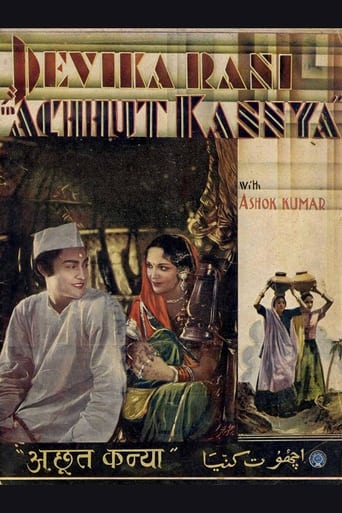
- Debut in Untouchable Girl (1936)
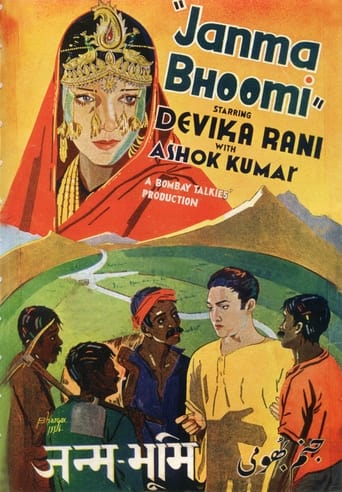
- Appeared in Janmabhoomi (1936)
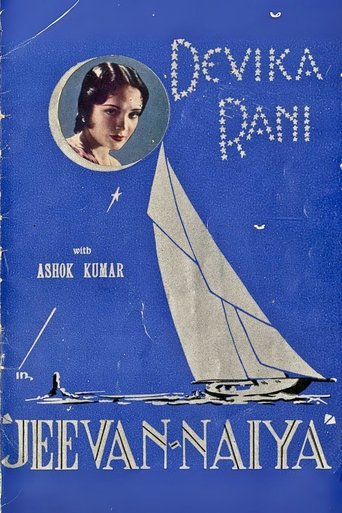
- Starred in Jeevan Naiya (1936)
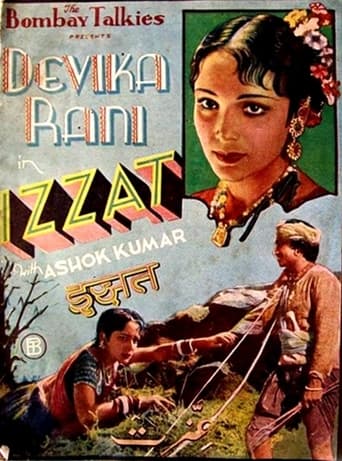
- Featured in Izzat (1937)
- Final film appearance in Prem Kahani (1937)
Best Known For
Must-See Films
Working Relationships
Studios
Why They Matter
Impact on Culture
Kamta Prasad contributed to the early development of Indian talkie cinema during a crucial period of transition from silent films to sound. His work in films like 'Janmabhoomi' and 'Untouchable Girl' reflected the social consciousness and nationalist themes that characterized much of 1930s Indian cinema. Though not a leading star, his presence in these films helped establish the supporting character archetypes that would become essential to Indian film narrative structure. As part of the foundation of what would become the world's largest film industry, his work represents the collective effort of early cinema pioneers who established the artistic and technical standards for future generations.
Lasting Legacy
Kamta Prasad's legacy lies in his contribution to the foundational years of Indian cinema, particularly during the critical transition period to sound films. While individual records of many character actors from this era are scarce, their collective work helped establish the narrative conventions, character types, and storytelling techniques that would define Indian cinema for decades. His filmography represents the types of socially relevant and thematically significant films that characterized early Indian talkies, addressing issues of caste, nationalism, and social reform.
Who They Inspired
As a character actor from the early sound era, Kamta Prasad's influence would have been primarily in establishing supporting character types and acting techniques that subsequent actors would build upon. The theatrical style required for early sound films influenced the development of Indian film acting traditions.
Off Screen
Very little is documented about Kamta Prasad's personal life, which was common for character actors of early Indian cinema whose personal details were not considered newsworthy by contemporary media.
Did You Know?
- Worked during the early talkie era of Indian cinema (1936-1937)
- Appeared in films addressing social issues like untouchability
- Participated in patriotic films during the pre-independence period
- Active years covered the crucial transition years when Indian cinema was establishing its identity
- Like many actors of his era, likely came from a theatre background
- Worked before the star system became fully established in Indian cinema
- His films represent early examples of socially conscious Indian cinema
- Appeared in films during a period when Indian cinema was heavily influenced by the freedom movement
Frequently Asked Questions
Who was Kamta Prasad?
Indian with credits in this catalog.
What films is Kamta Prasad best known for?
Titles linked here include Untouchable Girl (1936), Janmabhoomi (1936).
When was Kamta Prasad active in cinema?
Kamta Prasad had a brief but significant career spanning from 1936 to 1937, working during the crucial early years of Indian sound cinema.
What was special about the films Kamta Prasad appeared in?
The films he appeared in addressed important social issues like untouchability and nationalism, reflecting the cultural and political consciousness of 1930s India during the freedom movement.
Why is information about Kamta Prasad limited?
Like many character actors from early Indian cinema, detailed records about Kamta Prasad are scarce because contemporary media focused primarily on leading stars, and archival preservation was limited during that era.