Prem Kahani
"Two widowed sisters thwart a love match when they try to arrange marriages…"
Keys: Space play/pause · ←/→ 10s · F fullscreen · M mute · </> speed
About this film
Two widowed sisters thwart a love match when they try to arrange marriages for their respective children.
Cast & crew
More films like this
More from Franz Osten
View all →

More about this film
About the production
Release date1937
ProductionBombay Talkies
Filmed inBombay (now Mumbai), India
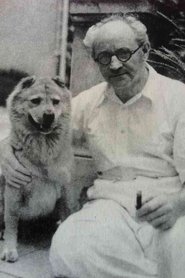
Directed by German filmmaker Franz Osten as part of his extensive collaboration with Bombay Talkies during the 1930s. The film was produced during the golden era of Bombay Talkies when the studio was known for its technical sophistication and social themes. Osten brought European cinematic techniques to Indian storytelling, creating a unique blend of Western filmmaking sensibilities with Indian cultural narratives.
Themes
Family dynamicsArranged marriage vs. love marriageGenerational conflictTradition vs. modernitySocial obligation vs. personal desire
Themes & topics
widowssistersarranged marriagefamily dramalove storysocial conventions
Historical background
Released in 1937 during the early sound era, Prem Kahani reached audiences when exhibitors were still defining programming conventions. The narrative hook—Two widowed sisters thwart a love match when they try to arrange marriages…—reflects what contemporary producers thought would draw viewers.
Why this film matters
Prem Kahani remains discussed by archivists tracing how screen stories of its period represented work, desire, conflict, and social order. Its central situation—Two widowed sisters thwart a love match when they try to arrange marriages…—still prompts questions about genre conventions and audience expectations.
Making of
The production of Prem Kahani took place during a fascinating period in Indian cinema history when Bombay Talkies was at the forefront of technical and artistic innovation. Franz Osten, having previously worked in German cinema, brought a distinct European sensibility to Indian filmmaking. The collaboration between Osten and Indian actors like Ashok Kumar represented a cultural fusion that defined much of Bombay Talkies' output. The studio was known for its relatively modern working conditions and professional approach to filmmaking, which was revolutionary for its time in India. The film was shot using the latest sound technology available in India at the time, and the production benefited from Bombay Talkies' state-of-the-art facilities.
What critics said
Trade and newspaper notices for Prem Kahani generally emphasized casting, spectacle, and program fit rather than extended aesthetic argument. Retrospective screenings and archival notes continue to shape how viewers evaluate Prem Kahani today.
Did you know?
- Franz Osten was a German director who made numerous films in India during the 1930s, bringing European cinematic techniques to Bollywood
- This film was produced during the peak of Bombay Talkies' influence on Indian cinema
- 1937 was a significant year for Indian cinema, with the industry transitioning from silent films to establishing its sound cinema identity
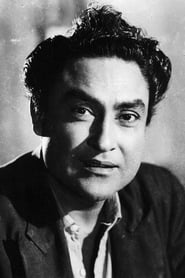
- Ashok Kumar, one of the lead actors, would go on to become one of Indian cinema's most actors
- The film's themes of arranged marriage vs. love marriage were particularly relevant in 1930s Indian society
- Franz Osten was part of a group of German filmmakers who found refuge and work in India during the rise of Nazi Germany
- Bombay Talkies was founded by Himanshu Rai and Devika Rani, pioneers of Indian cinema
- The film represents the early development of social themes in Indian commercial cinema
Visual style
The cinematography of Prem Kahani would have reflected the technical sophistication that Bombay Talkies was known for during the 1930s. Under Franz Osten's direction, the film likely employed European-influenced visual techniques combined with Indian aesthetic sensibilities. The studio was known for its relatively advanced camera work and lighting techniques for the period, though specific details about this film's visual style are not well-documented in available sources.
Innovations
As a Bombay Talkies production from 1937, Prem Kahani would have benefited from the studio's reputation for technical innovation in Indian cinema. The studio was known for its sound recording facilities and camera equipment, which were among the best in India at the time. Franz Osten's German background likely brought additional technical expertise to the production. However, specific technical achievements particular to this film are not well-documented in available historical sources.
Music
Information about the specific soundtrack of Prem Kahani is not readily available in historical sources. However, films from Bombay Talkies during this period typically featured music that blended traditional Indian melodies with more contemporary arrangements. The early sound era in Indian cinema was establishing the musical traditions that would become central to Bollywood, and this film would have been part of that development process.
Memorable scenes
- The confrontation scenes between the two widowed sisters as they discuss marriage arrangements for their children
- Moments where the young lovers must navigate between their feelings and family expectations
What audiences thought
Audience reception data from 1937 is not well-documented in available sources. However, films from Bombay Talkies during this period typically found success with urban audiences who appreciated the studio's more modern approach to filmmaking. The themes of family dynamics and marriage would have resonated with Indian audiences of the time, as these topics were central to social life. Ashok Kumar was emerging as a popular star during this period, which likely contributed to audience interest in the film.
Film connections
Influenced by
- European cinematic techniques
- German expressionist cinema
- Traditional Indian storytelling
This film influenced
- Later Indian family dramas
- Bombay Talkies productions of the late 1930s
Film restoration
The preservation status of Prem Kahani (1937) is uncertain, as many Indian films from this period have been lost or exist only in incomplete form. The National Film Archive of India has been working to preserve films from this era, but specific information about this particular film's survival is not readily available in public sources.
Where to watch
- Due to its age and preservation status, Prem Kahani is not currently available on mainstream streaming platforms. Film archives and specialized cinema libraries may hold copies, particularly the National Film Archive of India or the Bombay Talkies archive.