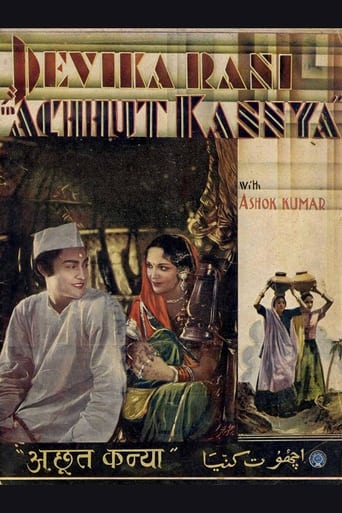
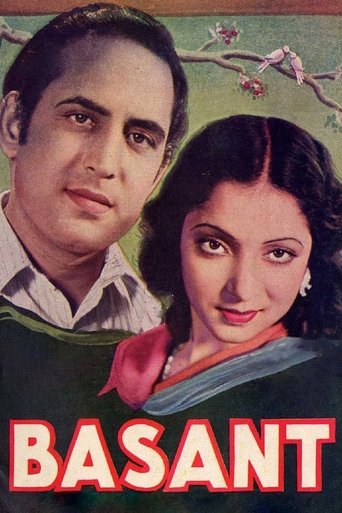
Films
7 films

About P.F. Pithawala
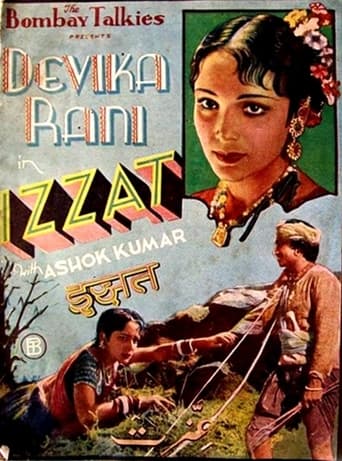
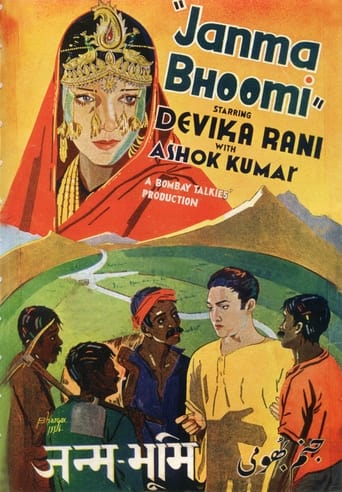
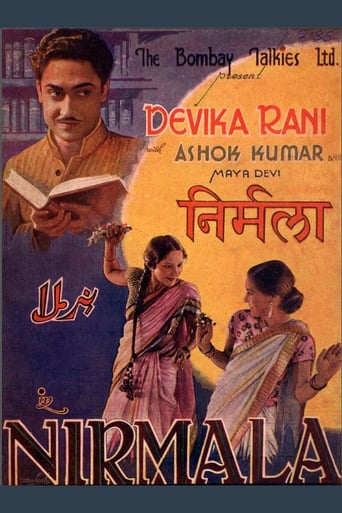
P.F. Pithawala is credited on a single production — Izzat (1937). He began his film career with notable appearances in 1936, featuring in socially relevant films like 'Untouchable Girl' and the patriotic 'Janmabhoomi,' which reflected the growing nationalist sentiment in pre-independence India. Throughout his career from 1936 to 1942, Pithawala established himself as a reliable character actor in the burgeoning Bombay film industry, appearing in numerous productions that dealt with themes of social reform, romance, and family values. His work in films like 'Izzat' (1937), 'Prem Kahani' (1937), and 'Nirmala' (1938) demonstrated his versatility in portraying various character types during an era when Indian cinema was developing its unique identity. Pithawala was part of the generation of actors who successfully transitioned from theatrical traditions to the new medium of sound cinema, helping establish acting conventions that would influence Indian film performance for decades. His the crucial period when Indian cinema was evolving from simple entertainment to a medium capable of addressing complex social and political issues.
The Craft
On Screen
Pithawala's acting style reflected the theatrical traditions of early Indian cinema, characterized by dramatic gestures and clear enunciation suitable for the new sound medium. His performances emphasized emotional expressiveness and moral clarity, typical of the era's approach to character development. He demonstrated particular skill in portraying characters that embodied social values and reformist ideals, which were prominent themes in 1930s Indian cinema.
Milestones
- Breakthrough role in 'Untouchable Girl' (1936)
- Notable performance in patriotic film 'Janmabhoomi' (1936)
- Critical acclaim in 'Izzat' (1937)
- Leading role in 'Prem Kahani' (1937)
- Memorable performance in 'Nirmala' (1938)
Best Known For
Iconic Roles
Must-See Films
Working Relationships
Worked Often With
Studios
Why They Matter
Impact on Culture
P.F. Pithawala contributed to the early development of Indian cinema's narrative traditions during a crucial period of artistic and social transformation. His work in films addressing social issues like untouchability and national identity helped establish cinema as a medium for social commentary in India. As part of the first generation of sound film actors, he helped transition Indian performance styles from theatrical traditions to cinematic techniques, influencing how emotions and stories would be conveyed on screen for future generations.
Lasting Legacy
P.F. Pithawala's legacy lies in his contribution to the foundation of Indian commercial cinema during its formative years. While not as widely remembered as the biggest stars of his era, his work in socially relevant films of the late 1930s represents an important chapter in Indian film history when cinema was establishing itself as a powerful medium for cultural expression and social change. His filmography serves as a valuable record of the themes and storytelling approaches that characterized early Indian talkies.
Who They Inspired
Pithawala influenced subsequent generations of character actors in Indian cinema by demonstrating how supporting roles could effectively contribute to a film's social and emotional impact. His work in films dealing with reformist themes helped establish patterns for how social issues could be addressed through popular cinema, a tradition that continues in Indian filmmaking today.
Off Screen
Very little is documented about P.F. Pithawala's personal life, which was common for many character actors of early Indian cinema. Like many actors of his era, he likely maintained a private life separate from his public persona, as the film industry was still considered a controversial profession in conservative Indian society of the 1930s.
Did You Know?
- Pithawala was active during the transition from silent to sound cinema in India
- His films often dealt with progressive social themes uncommon for the era
- He worked during the peak of the Indian independence movement, which influenced film content
- Many of his films are now lost, as was common with early Indian productions
- He was part of the Bombay film industry's first generation of trained sound actors
- His active years covered the period when Indian cinema was establishing its unique identity separate from Western influences
- The films he appeared in often featured strong female protagonists, reflecting progressive attitudes of the time
Frequently Asked Questions
Who was P.F. Pithawala?
Indian with credits in this catalog.
What films is P.F. Pithawala best known for?
Titles linked here include Untouchable Girl (1936), Janmabhoomi (1936).
When was P.F. Pithawala born and when did he die?
Specific birth and death dates for P.F. Pithawala are not documented in available historical records, which was common for many character actors of early Indian cinema.
What awards did P.F. Pithawala win?
No formal awards or recognitions for P.F. Pithawala are documented, as the Indian film award system was not established during his active years in the 1930s and early 1940s.
What was P.F. Pithawala's acting style?
Pithawala's acting style reflected the theatrical traditions of early Indian cinema, featuring dramatic gestures and clear enunciation suitable for the new sound medium, with emphasis on emotional expressiveness and moral clarity.
What was P.F. Pithawala's contribution to Indian cinema?
Pithawala contributed to the early development of Indian cinema's narrative traditions, particularly in films addressing social reform and national identity, helping establish cinema as a medium for social commentary in India.