Films
3 films

About Sunita Devi
Sunita Devi, born Iris Gasper, was an Anglo-Indian actress who worked in Indian cinema during the era of talkies in the mid-1930s. She emerged as one of the early actresses who helped shape the foundation of Indian sound cinema during its crucial transition period from silent films. Her career, though brief, spanned the formative years when Indian cinema was establishing its identity and developing its unique storytelling techniques. She worked primarily in Hindi-language films and was part of the generation that brought realism and emotional depth to early Indian cinema. Her performances in social dramas and romantic films of the era contributed to the evolving narrative styles that would later define Indian cinema. As an Anglo-Indian actress, she represented the multicultural nature of early Indian film industry and helped bridge cultural gaps during a period of significant social change. Her work coincided with the emergence of Indian cinema as a powerful medium for social commentary and entertainment.
The Craft
Milestones
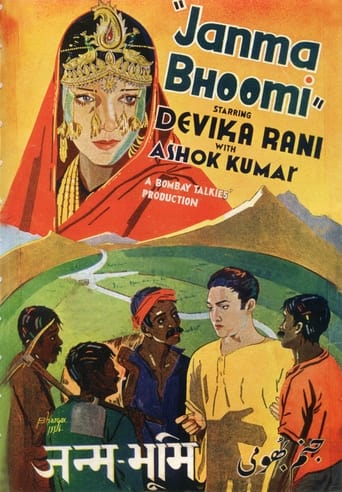
- Appeared in Janmabhoomi (1936), an early social drama film
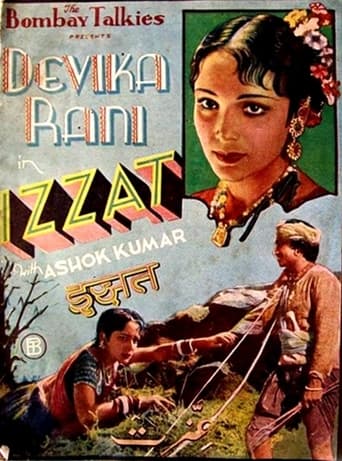
- Starred in Izzat (1937), contributing to early Hindi cinema
- Featured in Prem Kahani (1937), part of early romantic Indian cinema
- Worked during the transition from silent films to talkies in India
- One of the early Anglo-Indian actresses in Indian cinema
Best Known For
Must-See Films
Why They Matter
Impact on Culture
Sunita Devi's contribution to early Indian cinema represents the important role of Anglo-Indian artists in shaping the film industry during its formative years. Her work during the mid-1930s coincided with a crucial period when Indian cinema was developing its unique identity and storytelling techniques. As one of the early actresses in Indian talkies, she helped establish the foundation for realistic acting in Indian cinema, moving away from the exaggerated theatrical style of silent films. Her presence in the industry reflected the multicultural nature of early Indian cinema, which served as a melting pot for diverse cultural influences and artistic expressions. The films she appeared in, particularly social dramas like Janmabhoomi, contributed to the emerging tradition of cinema as a medium for social commentary in India.
Lasting Legacy
Though her career was brief, Sunita Devi remains part of the foundational generation of Indian cinema that helped establish the industry's artistic and technical standards. Her work in early talkies represents an important chapter in the history of Indian cinema's transition from silent films to sound, a period that fundamentally changed how stories were told on screen. As an Anglo-Indian actress, she exemplifies the diverse cultural influences that shaped early Indian cinema and contributed to its unique character. Her films from 1936-1937, while not extensively documented, represent the early evolution of Hindi cinema's narrative styles and thematic concerns. The limited archival information about her career highlights the broader challenge of preserving the history of early Indian cinema and the need for more comprehensive documentation of artists from this era.
Who They Inspired
While specific details about her influence on other artists are not extensively documented, Sunita Devi's work as part of the early generation of talkie actresses contributed to the development of acting styles in Indian cinema. Her performances in the mid-1930s helped establish precedents for naturalistic acting that would influence subsequent generations of Indian actors. As an Anglo-Indian actress working in Hindi cinema, she helped demonstrate that film could transcend cultural and linguistic barriers, paving the way for more diverse casting in Indian cinema. Her brief but significant career during the transition to sound cinema represents the kind of work that would later enable the golden age of Indian cinema to flourish.
Off Screen
As an Anglo-Indian actress in 1930s India, Sunita Devi navigated the complex social dynamics of colonial India during a period of significant cultural change. Her choice to work in cinema during this era was notable given the social conventions of the time, particularly for women from Anglo-Indian communities. She represented the multicultural fabric of early Indian cinema, which drew talent from various communities and backgrounds. Her brief but significant career occurred during a transformative period when Indian cinema was establishing its identity and moving away from theatrical influences toward more realistic performances.
Did You Know?
- Her real name was Iris Gasper, reflecting her Anglo-Indian heritage
- She was active during the crucial transition period from silent films to talkies in Indian cinema
- Her entire known filmography spans just two years (1936-1937)
- She worked in Hindi-language films during the early years of Indian sound cinema
- As an Anglo-Indian actress, she represented the multicultural nature of early Indian film industry
- Her film Janmabhoomi (1936) was among the early social dramas in Indian cinema
- The limited documentation of her career reflects the broader challenge of preserving early Indian cinema history
Frequently Asked Questions
Who was Sunita Devi?
Anglo-Indian actress who worked in Indian cinema during the mid-1930s, appearing in early Hindi talkies during the crucial transition period from silent films to sound in Indian cinema.
What films is Sunita Devi best known for?
Titles linked here include Janmabhoomi (1936), Izzat (1937).
When was Sunita Devi born and when did she die?
Specific birth and death dates for Sunita Devi are not documented in available historical records, though she was active in Indian cinema from 1936-1937.
What awards did Sunita Devi win?
There are no documented awards or honors for Sunita Devi, which reflects the limited formal recognition systems in Indian cinema during the 1930s.
What was Sunita Devi's acting style?
While specific details about her acting style are not extensively documented, she was part of the generation that helped transition Indian cinema from theatrical silent film performances to more naturalistic talkie acting.
What was Sunita Devi's real name?
Sunita Devi's birth name was Iris Gasper, reflecting her Anglo-Indian heritage in colonial India.
What was Sunita Devi's cultural impact?
As an Anglo-Indian actress in early Indian cinema, she contributed to the multicultural foundation of the industry and helped establish precedents for diverse casting in Hindi films during the formative years of Indian talkies.