Devika Rani
Actor
Born: March 30, 1908 in Waltair, Madras Presidency, British India (now Visakhapatnam, Andhra Pradesh, India) Died: March 9, 1994 Active: 1933-1945 Birth Name: Devika Rani Chaudhuri
Films
5 films
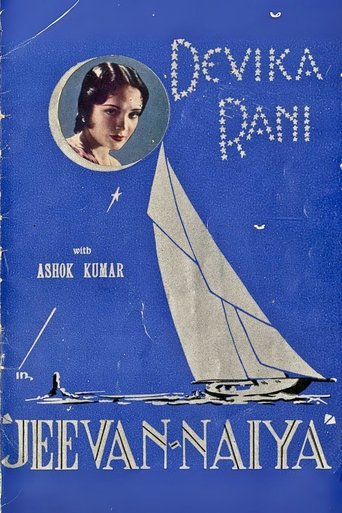
About Devika Rani
Devika Rani Chaudhuri, known as Devika Rani, was a figure in Indian cinema and widely regarded as the first lady of Indian cinema. Born into an aristocratic Bengali family in 1908, she received her education in London and trained at the Royal Academy of Dramatic Art and Royal Academy of Music. She met her future husband Himanshu Rai in London and together they founded Bombay Talkies, one of India's most influential film studios. Her debut in 'Karma' (1933) featured one of Indian cinema's earliest on-screen kisses, causing considerable controversy. Throughout the 1930s and 1940s, she starred in numerous successful films that helped establish the foundations of Bollywood. After her husband's death in 1940, she took over as head of Bombay Talkies, becoming one of the first women to lead a major film studio in India. She retired from acting in 1945 but continued to influence Indian cinema through her production work and mentorship of future stars like Dilip Kumar and Raj Kapoor.
The Craft
On Screen
Devika Rani was known for her naturalistic acting style that broke away from the theatrical traditions prevalent in early Indian cinema. She brought Western acting techniques learned in London to Indian films, emphasizing subtle expressions and emotional authenticity. Her performances were marked by graceful movements, sophisticated dialogue delivery, and a commanding screen presence that set new standards for Indian actresses. She excelled in both dramatic and romantic roles, often portraying strong, independent women who challenged social norms.
Milestones
- Debut in 'Karma' (1933) with controversial kissing scene
- Co-founded Bombay Talkies studio (1934)
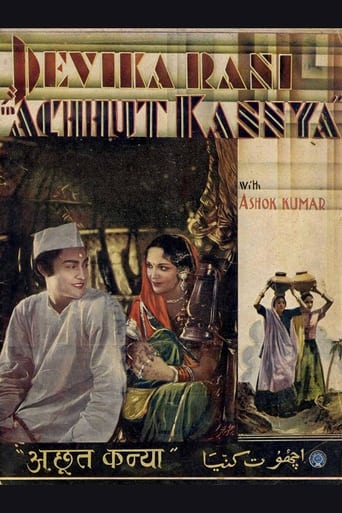
- Starred in 'Achhut Kanya' (1936) - breakthrough film
- Took over as head of Bombay Talkies after husband's death (1940)
- Received Dadasaheb Phalke Award (1969)
- Awarded Padma Shri (1958)
Best Known For
Iconic Roles
Must-See Films
Accolades
Won
- Dadasaheb Phalke Award (1969)
- Padma Shri (1958)
Nominated
- Sangeet Natak Akademi Award nomination (1958)
Special Recognition
- First recipient of the Dadasaheb Phalke Award for lifetime achievement
- Featured on Indian postage stamp (1991)
- Honored at International Film Festival of India for contributions to cinema
Working Relationships
Worked Often With
Studios
Why They Matter
Impact on Culture
Devika Rani fundamentally transformed Indian cinema by introducing Western production values and acting techniques while maintaining Indian cultural sensibilities. Her films addressed social issues like caste discrimination and women's rights, paving the way for socially conscious cinema in India. As the head of Bombay Talkies, she created a professional studio system that became the model for the Indian film industry. Her sophisticated image and educated background elevated the status of actresses in Indian society, challenging prevailing stereotypes. She was instrumental in launching the careers of numerous actors who would dominate Indian cinema for decades.
Lasting Legacy
Devika Rani's legacy extends far beyond her filmography; she is remembered as the architect of modern Indian cinema's studio system and a pioneer who brought international standards to Indian filmmaking. Bombay Talkies under her leadership became the premier training ground for Indian cinema's golden generation. Her emphasis on technical excellence, professional production methods, and artistic integrity set benchmarks that continue to influence Indian cinema. She broke gender barriers by becoming the first woman to lead a major film studio in India and demonstrated that women could be powerful creative and business leaders in the film industry. Her life story continues to inspire filmmakers and artists who seek to balance artistic vision with social responsibility.
Who They Inspired
Devika Rani influenced generations of Indian actors by demonstrating that Indian cinema could embrace both Western techniques and Indian traditions. Her naturalistic acting style inspired actors like Dilip Kumar and Raj Kapoor to move away from theatrical performances. As a studio head, she established professional standards for film production that became industry norms. Her success in addressing social themes through commercial cinema paved the way for parallel cinema movements in India. She proved that women could occupy leadership positions in the film industry, opening doors for future female directors, producers, and studio heads in Indian cinema.
Off Screen
Devika Rani came from a Bengali family; her father Col. M. N. Chaudhuri was the first Indian to be appointed Surgeon General of Madras Presidency. She married filmmaker Himanshu Rai in 1929, and their partnership was both personal and professional, revolutionizing Indian cinema. After Rai's death in 1940, she married Russian painter Svetoslav Roerich in 1945 and moved to their estate in Bangalore. She had no children but mentored many young actors who would become legends of Indian cinema. Her later years were spent away from the public eye, focusing on art and philanthropy.
Education
Royal Academy of Dramatic Art, London; Royal Academy of Music, London; Training in architecture and interior design in London; St. Mary's Convent, Allahabad for early schooling
Family
- Himanshu Rai (1929-1940)
- Svetoslav Roerich (1945-1994)
Did You Know?
- Her film 'Karma' (1933) featured one of Indian cinema's first on-screen kisses, lasting 4 minutes
- She was fluent in English, Hindi, Bengali, and German
- Her wedding to Himanshu Rai was a lavish affair attended by European royalty and Indian nobility
- She was the first Indian actress to have a formal education in acting from Western institutions
- Despite her aristocratic background, she insisted on doing her own stunts in films
- She turned down Hollywood offers to stay in India and build its cinema
- Her second husband Svetoslav Roerich was the son of famous Russian painter Nicholas Roerich
- She was a trained classical singer and often sang in her early films
- Her estate in Bangalore, 'Tataguni,' became a cultural center for artists and intellectuals
- She was the first person to receive the Dadasaheb Phalke Award when it was instituted in 1969
In Their Own Words
Cinema is not just entertainment; it is a powerful medium for social change and cultural expression
I wanted to bring to Indian cinema the same dignity and professionalism that I saw in European films
An actress must be more than just a pretty face; she must be an artist with a social conscience
The future of Indian cinema lies in blending our rich cultural heritage with modern techniques
Women in cinema should not just be objects of beauty but creators of art
Frequently Asked Questions
Who was Devika Rani?
Indian actress and studio head, widely regarded as the first lady of Indian cinema. She co-founded Bombay Talkies studio and starred in numerous influential films during the 1930s and 1940s, introducing Western acting techniques to Indian cinema while addressing important social issues through her work.
What films is Devika Rani best known for?
Titles linked here include Achhut Kanya (1936), Karma (1933).
When was Devika Rani born and when did she die?
Born March 30, 1908; died March 9, 1994.
What awards did Devika Rani win?
Devika Rani received the Dadasaheb Phalke Award in 1969, becoming its first recipient for lifetime achievement in cinema. She was also honored with the Padma Shri in 1958, India's fourth-highest civilian award, recognizing her contributions to Indian arts and culture.
What was Devika Rani's acting style?
Devika Rani's acting style was revolutionary for its time, emphasizing naturalistic performance over theatrical exaggeration. She brought Western techniques learned at London's Royal Academy of Dramatic Art to Indian cinema, focusing on subtle expressions, emotional authenticity, and graceful movements that set new standards for Indian actresses.