Films
3 films
About Chandraprabha
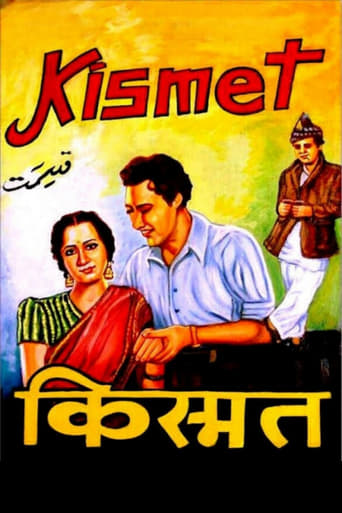
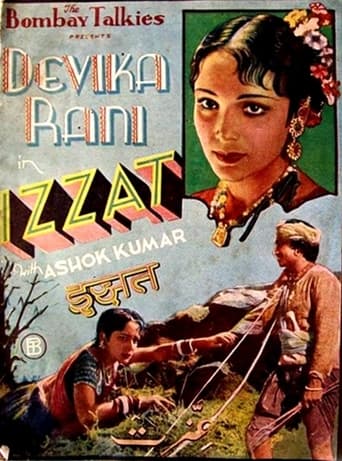
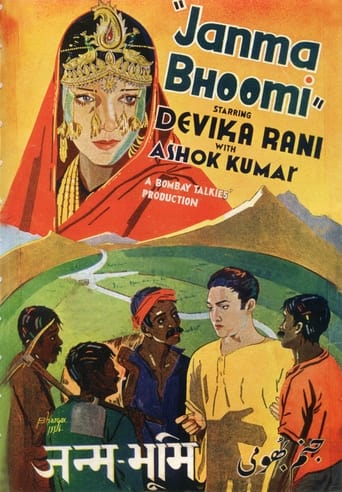
Indian actress who worked during the formative years of Indian cinema's transition from silent films to talkies. Her the crucial period of the 1930s and early 1940s, when Indian cinema was establishing its unique identity and storytelling techniques. Chandraprabha appears in several significant films of the era, including the landmark movie 'Kismet' (1943), which became one of the biggest hits of its time and set new records for box office success. Her work in films like 'Janmabhoomi' (1936) and 'Izzat' (1937) demonstrated her versatility during an era when actresses often had to navigate both traditional and modern character portrayals. Chandraprabha was part of the generation of performers who helped establish the foundations of what would become the world's largest film industry. Her career, though relatively brief, coincided with some of the most important developments in Indian cinematic history, including the emergence of the studio system and the evolution of film narrative techniques.
The Craft
Milestones
- Appeared in the blockbuster hit Kismet (1943)
- Worked during the transition from silent to sound cinema in India
- Participated in early Indian studio system films
- Contributed to the development of Indian cinema in the 1930s-40s
Best Known For
Must-See Films
Why They Matter
Impact on Culture
Chandraprabha contributed to Indian cinema during a pivotal period when the industry was establishing its cultural identity. Her appearance in 'Kismet' (1943),. The film's success helped demonstrate the commercial viability of Indian cinema and influenced future productions. As a woman working in films during the 1930s-40s, she was part of the early generation of actresses who helped shape the representation of women in Indian media.
Lasting Legacy
Chandraprabha's legacy is preserved through her work in some of the foundational films of Indian cinema. Her participation in 'Kismet' ensures her place in the historical record of Indian film, as this movie is frequently cited in film studies and retrospectives of Indian cinema. She represents the generation of actors who worked during the crucial transition period when Indian cinema was developing its unique voice and style. Her career, spanning the years 1936-1943, captures a specific moment in film history when the foundations were being laid for what would become one of the world's most prolific film industries.
Who They Inspired
While specific details about her influence on other actors are not well-documented, Chandraprabha's work in early Indian cinema contributed to the professionalization of acting as a career in the Indian film industry. Her performances in the 1930s and early 1940s helped establish acting conventions and techniques that would influence subsequent generations of Indian actors.
Did You Know?
- Appeared in Kismet (1943), which ran for over 200 weeks in theaters
- Worked during the early studio era of Indian cinema
- Her active years covered the period just before and during World War II
- Participated in films during the early years of Indian sound cinema
- Kismet (1943) was one of the earliest Indian films to achieve massive commercial success
Frequently Asked Questions
Who was Chandraprabha?
Indian actress who worked in the film industry during the 1930s and early 1940s, appearing in notable films including the blockbuster Kismet (1943). She was active during a crucial period in Indian cinema's development when the industry was transitioning from silent films to talkies.
What films is Chandraprabha best known for?
Titles linked here include Kismet (1943), Janmabhoomi (1936).
When was Chandraprabha active in films?
Chandraprabha was active in Indian cinema from 1936 to 1943, working during the early years of sound cinema in India and the formative period of the Indian film industry.
What was significant about Kismet (1943)?
Kismet (1943) was a landmark film in Indian cinema history that became an unprecedented box office success, running for over 200 weeks in theaters. It was one of the films that helped establish the commercial potential of Indian cinema and influenced future film production in the country.
What was the Indian film industry like during Chandraprabha's career?
During Chandraprabha's active years (1936-1943), Indian cinema was undergoing major transformations with the establishment of sound technology, the growth of studio systems, and the development of unique Indian narrative styles. This period laid the groundwork for what would become the world's largest film industry.