Films
2 films
About Balwant Singh
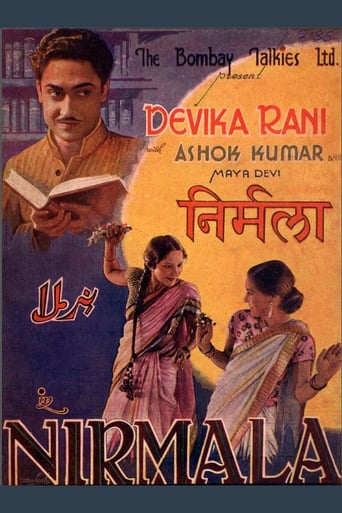
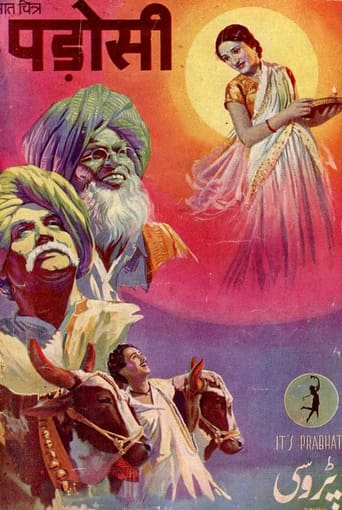
Indian actor who worked during the early sound era of Indian cinema, primarily in the late 1930s and early 1940s. Balwant appears in several notable films during this transitional period when Indian cinema was establishing its identity in the talkie format. His most recognized performances came in the films 'Nirmala' (1938) and 'Padosi' (1941), with the latter being particularly significant as it was directed by the V. Shantaram and dealt with themes of communal harmony. Singh was part of the supporting cast during an era when character actors were essential to the storytelling framework of Indian films. His career, though brief, coincided with a crucial period in Indian cinema's development, moving away from theatrical influences toward more naturalistic performances. Like many actors of his generation, he contributed to the foundation of what would become the world's largest film industry.
The Craft
Best Known For
Iconic Roles
Must-See Films
Working Relationships
Worked Often With
Studios
Why They Matter
Impact on Culture
Balwant Singh, though not a major star, contributed to the important social films of early Indian cinema that addressed contemporary issues. His participation in 'Padosi' (1941), a film promoting Hindu-Muslim unity during a period of growing communal tensions, placed him in cinema that had significant social and political relevance. These early films helped establish the tradition of socially conscious cinema in India, a legacy that continues to influence Indian filmmaking today.
Lasting Legacy
While Balwant Singh may not be widely remembered in mainstream film history, his work represents the contributions of countless character actors who were essential to the development of Indian cinema. The films he appeared in, particularly 'Padosi', are studied as important examples of early Indian cinema's engagement with social themes. His career exemplifies the collaborative nature of filmmaking during the studio era, where even supporting actors played crucial roles in creating meaningful cinema.
Who They Inspired
As a supporting actor from the early sound era, Balwant Singh's direct influence on subsequent generations of actors is difficult to trace, but his participation in socially relevant films contributed to establishing the precedent for meaningful cinema in India that would influence future filmmakers and performers.
Off Screen
Limited information is available about Balwant Singh's personal life, which was common for supporting actors of early Indian cinema whose personal details were not extensively documented in film archives or press coverage of the era.
Did You Know?
- Appeared in 'Padosi' (1941), which was one of the early Indian films promoting communal harmony
- Worked during the transition period from silent to sound cinema in India
- Was associated with Prabhat Studios, one of the film studios of early Indian cinema
- His film active years covered only a few years, which was typical for many character actors of the era
- Participated in films during the pre-independence period when Indian cinema was developing its distinct identity
Frequently Asked Questions
Who was Balwant Singh?
Indian with credits in this catalog. He was a supporting actor during the early sound era of Indian filmmaking.
What films is Balwant Singh best known for?
When was Balwant Singh active in films?
Balwant Singh was active in Indian cinema from approximately 1938 to 1941, working during the early sound era when Indian cinema was establishing its unique identity.
Did Balwant Singh work with any notable directors?
Yes, Balwant Singh worked with V. Shantaram, one of the pioneers of Indian cinema, in the film 'Padosi' (1941). Shantaram was known for his socially relevant films and innovative filmmaking techniques.
What was the significance of the films Balwant Singh appeared in?
The films Balwant Singh appeared in, particularly 'Padosi' (1941), were significant for their social themes and messages of communal harmony during a period of growing tensions in pre-independence India. These films were part of the early tradition of socially conscious Indian cinema.